
BESIDE the Serea-Laselevu dirt road up on what used to be Colo East, sits a makeshift corrugated shack that the Tacikalou family use when they visit their farm.
Before the dawn breaks in Muaira District in the province of Naitasiri, Lepani Tacikalou is already up with his family getting ready to toil the land.
Tacikalou’s life like many farmers up the Colo East region revolves around the land.
The father of four has spent years planting and harvesting crops alongside his wife and children, building a routine shaped by the demands of farming and the needs of his family.
Below the hillside sits the family’s farm filled with dalo, vudi, bananas and a growing yaqona plantation of about 2000 plants, now two years old.
Beside their farm stands their small makeshift shelter where the family stays while working on their land.
For the past two years, the shelter has become more than just a resting place.
It is where meals are shared after long days in the field, where crops are sorted for the market, and where the family gathers before another early start the next morning.
“We built this small place so the family can come and stay while we work on the farm,” Lepani said.
A move for convenience
The decision to move away from farming on their village land came after discussions between Lepani and his son, who wanted a place that was easier for buyers to access.
“The village farm is under the Yavusa, but this land here is under our Mataqali,” he said.
“My son and I decided that this place would be more convenient for us.”
While village life remains close to his heart, Lepani said having a farm that is easier to reach has made a difference for the family’s farming activities and for transporting produce to market.
Crops harvested from the farm are taken to the Suva Market where the family sells dalo, yaqona, vudi, bananas and duruka during its season.
Planting for the future
Their latest focus has been planting duruka brought from Waibasaga through a cousin.
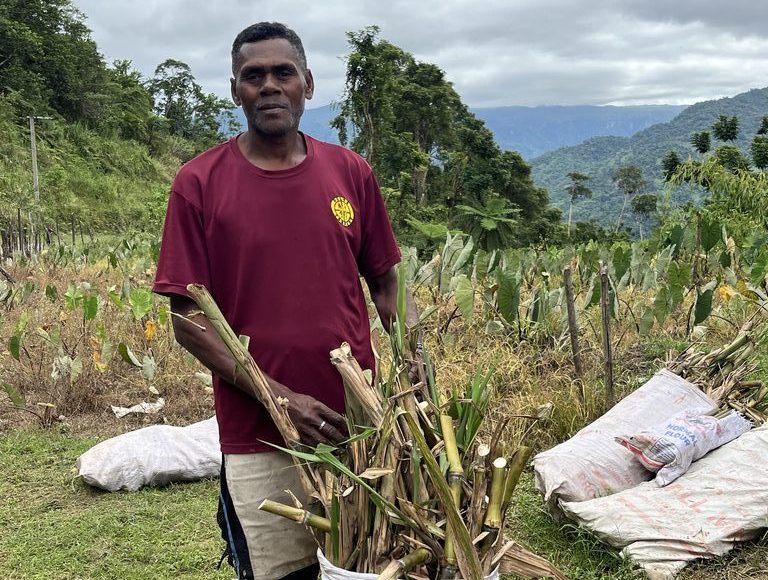
Bundles of freshly cut duruka lay stacked near the edge of the farm as family members worked carefully through the day, making sure each plant was placed into the soil before nightfall.
“To plant duruka, it needs to be done right away,” Lepani said.
“So today we are trying to plant as much as we can before the day ends.”
He said duruka takes about a year before it is ready for harvesting and is grown both for family meals and for selling at the market.
Despite the long days, Lepani said life on the farm has helped reduce many household expenses because much of what they eat comes directly from the land.
“Every day is good out here because most of what we eat is from the farm,” he said.
“We spend less on sugar and tea stuff because the land provides for us.”
Family ties
The school holidays often bring extra help to the farm.
Two of Lepani’s children who attend school in Suva return home during the break to assist with clearing land, planting and harvesting.
Before they head back to Suva for classes, the family makes sure the farm is cleared and clean.
“We always prepare everything before we return the children to school,” he said.
Although the family has a home in Suva, Lepani said much of their time is still spent on the farm because it remains central to their livelihood.
Helping them from overseas is his son, Ratu Vereimi Rokolaverua, who is currently in New South Wales, Australia under the NEC program.
Lepani said his son has continued supporting the family and the farm even after leaving Fiji.
“Whatever we need, he helps pay for it,” he said.
“He has really helped us a lot.”
Rooted on the land
Before moving overseas, Ratu Vereimi also helped establish the family’s yaqona farm, which continues to grow steadily.
Alongside work commitments in Australia, he also plays rugby for his club on Saturdays.
Lepani said his son recently shared that several coaches had shown interest in his performance, including a Super Rugby Rebels coach.
“He told us to pray for his rugby journey,” Lepani said.
Back on the farm, the work continues.
Young men from the village help with farm labour, while the family moves between planting, harvesting and preparing crops for market days in Suva.
For Lepani, farming is more than a source of income. It is something he believes should remain part of his children’s lives no matter where they go.
“I’ve always told my son that whatever we do in life, we must also prioritise using our land,” he said.
“No matter how much money we make working somewhere else, we still have to make use of our land.”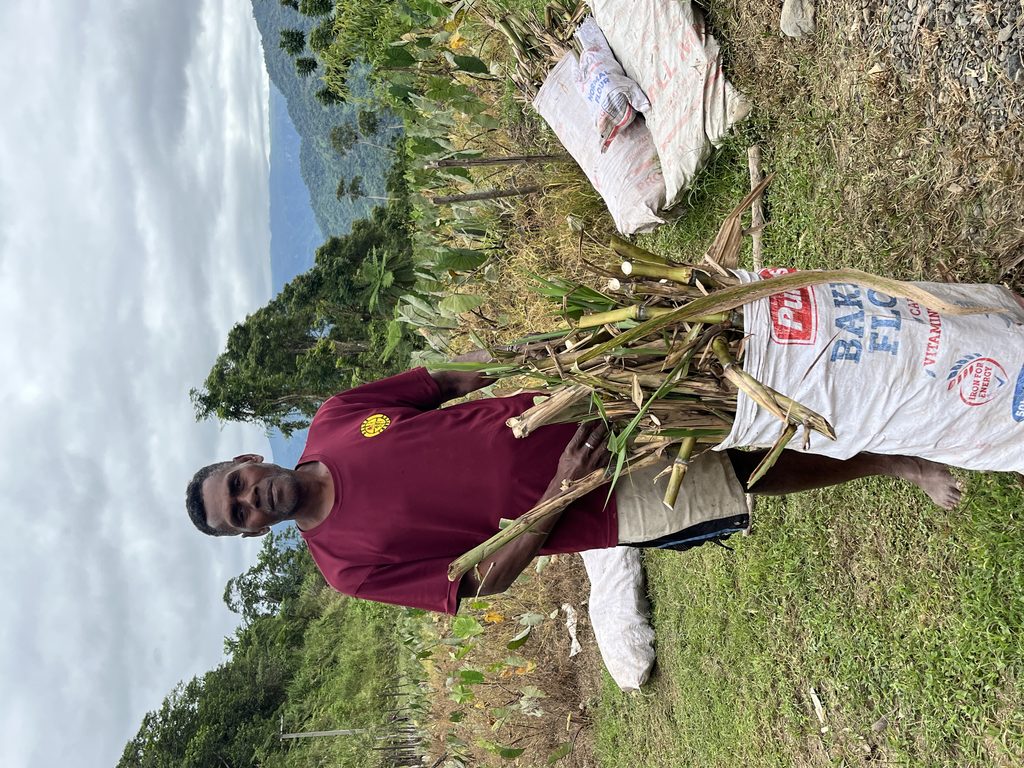
Lepani Tacikalou of Botenaulu with his duruka stalks. Picture: ANA MADIGIBULI
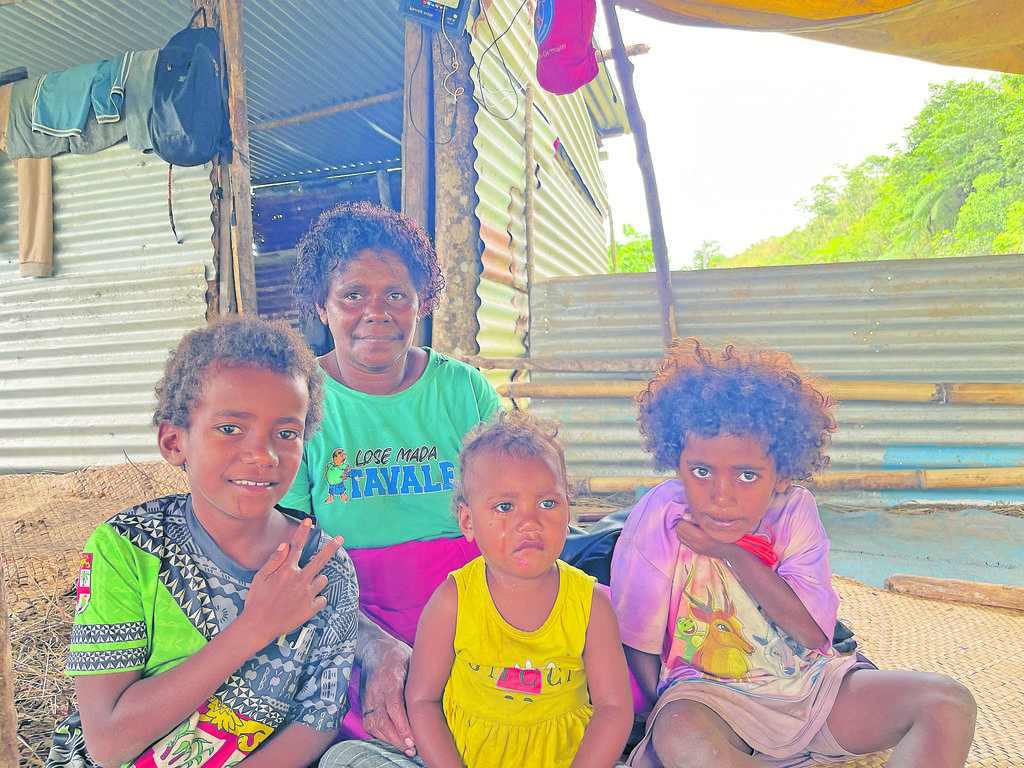
Lepani’s wife Wainikiti Tacikalou with their grandchildren at their farmhouse in Muaira District. Picture: ANA MADIGIBULI
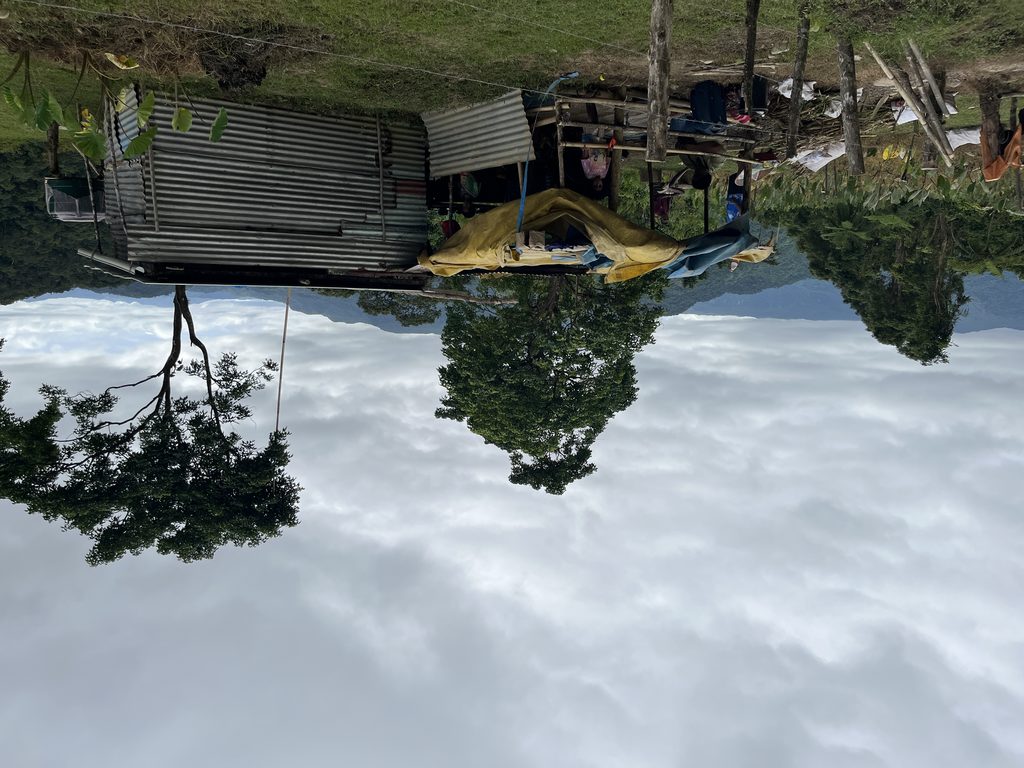
Their makeshift shack or farmhouse is situated close to the Serea-Laselevu Road up in Naitasiri. Picture: ANA MADIGIBULI

Lepani’s son Ratu Vereimi Rokolaverua works and plays rugby in New South Wales, Australia. Picture: SUPPLIED
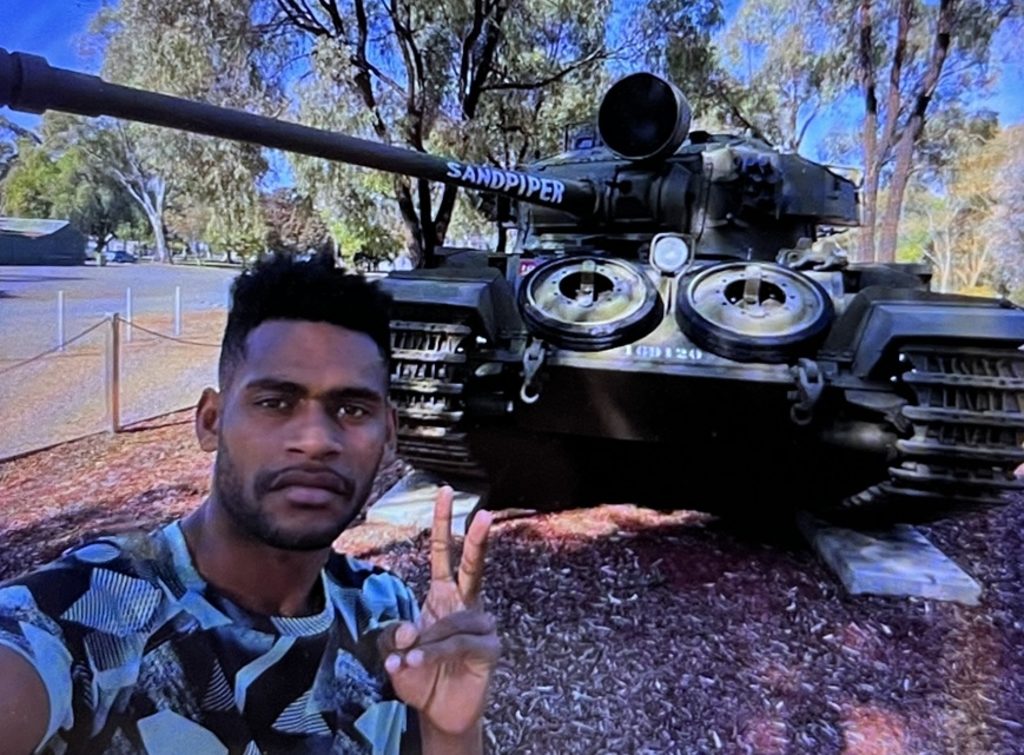
Their son supports all their farm work back in the village and also supports the family financially. Picture: SUPPLIED

