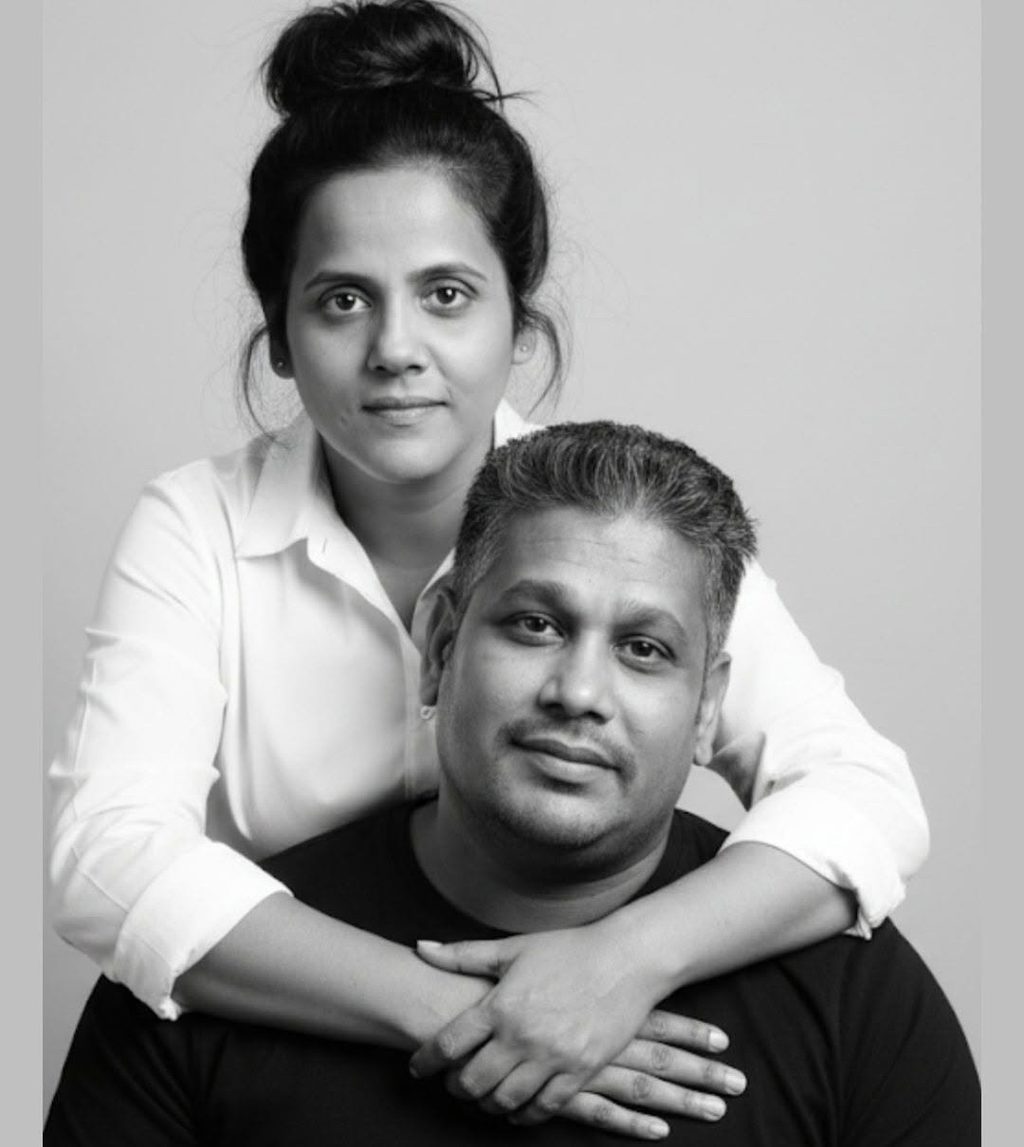
While most of Suva was still waking up, a young Edwin Sharma was already thinking about the day ahead.
His father drove a taxi to support the family, and his mother eventually stopped working to care for the children after the tragic death of Edwin’s elder brother, Sanjay.
Money was scarce and opportunities limited, but those early years taught him resilience, humility, and the belief that success means little unless it is shared.
Today, Sharma is a successful businessman, devoted father, and active community volunteer.
His measure of good leadership is not about pursuing titles, wealth, and glory, but the ability to lift others.
It is this philosophy and outlook that has shaped him since he joined the 2020 Leadership Fiji cohort.
Lessons from humble beginnings
Born and raised in Suva, Sharma grew up in Cunningham, where Indo-Fijian and iTaukei families lived side by side.
That multicultural upbringing became one of his greatest classrooms, children played together across ethnic lines, sharing customs and language without a second thought.
The neighbourhood was also home to many military and police families, and watching their discipline and routine left a lasting impression on him.
He wasn’t an exceptional student early on, but that changed in Form Five.
He became a prefect in Form Six and student representative in Form Seven, it was these formative experiences he now regards as the start of his leadership journey.
Dreams redirected
Sharma’s ambitions shifted more than once.
He first dreamed of joining the Republic of Fiji Military Forces, but his father, having already lost one son, refused to risk another serving overseas.
Next on his list was to become a chef, he would abandon the idea after being warned about the dangers of working with knives.
With his family’s finances tight, university wasn’t immediately possible.
Instead, Sharma went straight into the workforce, determined to help his parents escape poverty.
Building experience He worked in a garage, then moved into payroll and accounts at a garment company, before roles at Vinod Patel and Affiliated Computer Services.
At the latter, he rose over seven years from transaction processor to manager, learning that hard work, continuous learning, and consistency mattered more than charisma.
Even while working full-time, he pursued his education, graduating from the University of the South Pacific in 2005 which is an achievement he’s especially proud of, given the years spent balancing work, study, and family.
After a stint in New Zealand, he returned to Fiji, moved through finance, and eventually became a general manager in construction.
A turning point
In December 2017, Sharma suffered burns to about 20 percent of his body in a workplace accident.
During his hospital recovery, he realised he’d been leaving before sunrise and returning after dark, missing his toddler daughter and infant son’s waking hours.
He’d spent years helping others build successful businesses while investing little in his own family.
That realisation changed everything.
Encouraged by a close friend, he started his own business in 2018, a leap of faith that let him build a future for his family while creating opportunities for others.
Leadership through service
Sharma had followed The Fiji Times’ coverage of Leadership Fiji’s graduating cohorts for more than 15 years, quietly hoping to join one day.
“I remember thinking, one day I’d like to be part of that,” he recalled.
In 2018, his company secured a contract to build furniture for a Leadership Fiji project at Dama District School in Vanua Levu.
Watching participants work alongside villagers rather than simply donating money left a deep impression: “They weren’t just funding a project. They were painting classrooms, renovating facilities and serving the community themselves.”
Members of that cohort encouraged him to apply, and he finally joined in 2020.
Changing the way leaders lead
Before the program, Sharma had mostly encountered leaders who ruled through authority and fear.
Leadership Fiji introduced him to leaders who listened, welcomed questions, and earned respect through how they treated people rather than their position.
“They didn’t command respect because of their position,” he said.
“They earned it through the way they treated people.”
It reshaped how he led his own organisation; he stopped seeing leadership as having all the answers and instead embraced being a lifelong learner, someone who listens closely and learns from everyone he meets.
Leading with compassion
That servant-leadership philosophy strengthened Sharma’s commitment to community service.
During the COVID-19 pandemic, he helped found Wellness and Education Fiji (WE Fiji), serving as vice-president and helping coordinate food distribution, grocery assistance, and educational support for struggling families.
Titles were never the point, as he said, “The important thing was helping people.”
Having experienced poverty himself, including wearing the same repaired pair of school shoes all year, he and his family quietly step in whenever they encounter children lacking shoes or school supplies.
As he put it, “When you’ve lived through hardship yourself, you understand how even the smallest act of kindness can make a real difference.”
Values that begin at home
Community service has become a family activity.
Sharma’s children join him on volunteer work and are encouraged to share their lunch with classmates who have none.
One moment stands out, his daughter once came home barefoot after giving her shoes to a classmate without any.
Rather than being upset, Sharma saw it as proof the values he and his wife had tried to instil were taking root.
“It showed us that kindness had become natural for her.”
Growing others, not controlling them
His leadership style has shifted from fear-based management to one built on respect.
Over the years, his businesses have employed more than 50 people, many of whom gained skills and later moved on to opportunities overseas.
Sharma sees this not as a loss but as a reward.
“If someone leaves because you’ve helped them build a better future, that’s something to celebrate,” he said.
Faith, resilience and gratitude
Business hasn’t always been easy. During the COVID-19 years, Sharma prioritised paying his employees before himself, even when it meant handing his wife their last $50 with no certainty about the following week.
Relief often came unexpectedly, deepening his faith.
A practising Hindu, he sees compassion, humility, and service as values shared across all religions.
His greatest influence remains his mother, whose encouragement through hardship helped him become the first among his father’s 17 cousins to graduate from university.
Looking ahead
Sharma’s advice to young people is simple is believe in yourself, work hard, never stop learning, and stay humble.
“You don’t have to come from wealth to succeed,” he said.
“What matters is your willingness to keep improving and never stop believing tomorrow can be better than today.”
His path through life till today, shows that leadership isn’t about where you start, but the choices you make along the way.
“Success will always be measured not by what you have accumulated, but by the positive difference you leaves in others’ lives.”