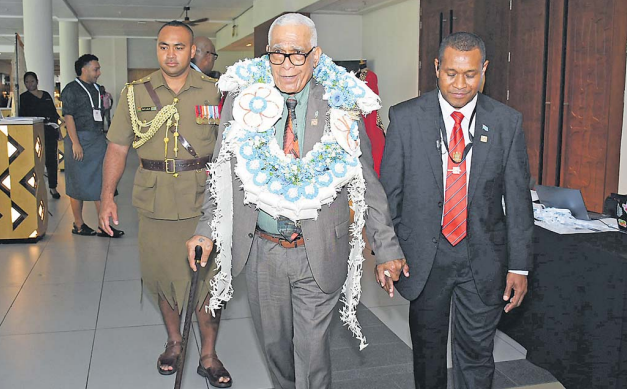
THE Ministry of Health is calling on traditional leaders to play an active role in combatting the country’s escalating HIV crisis, following warnings that current case numbers reflect only a fraction of the actual situation.
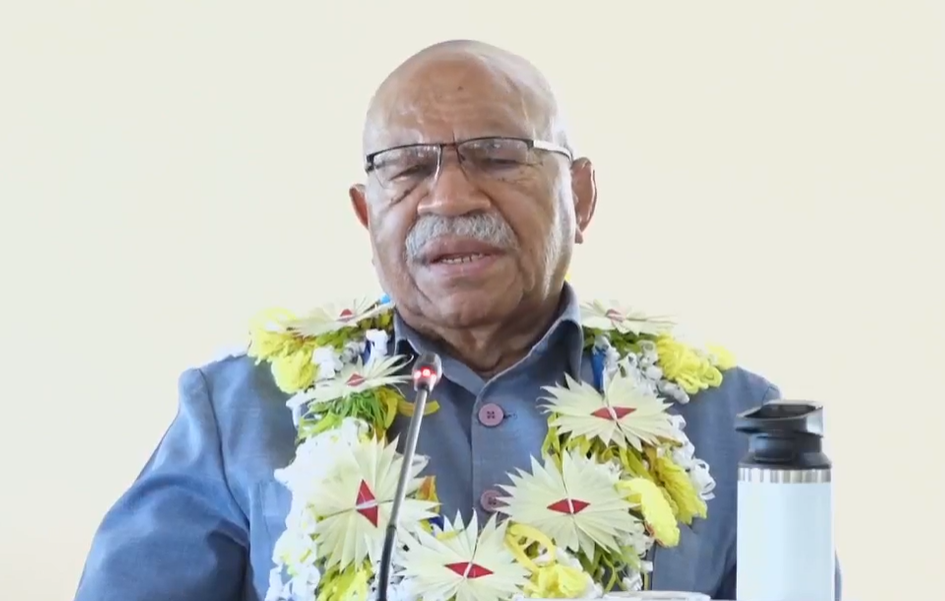
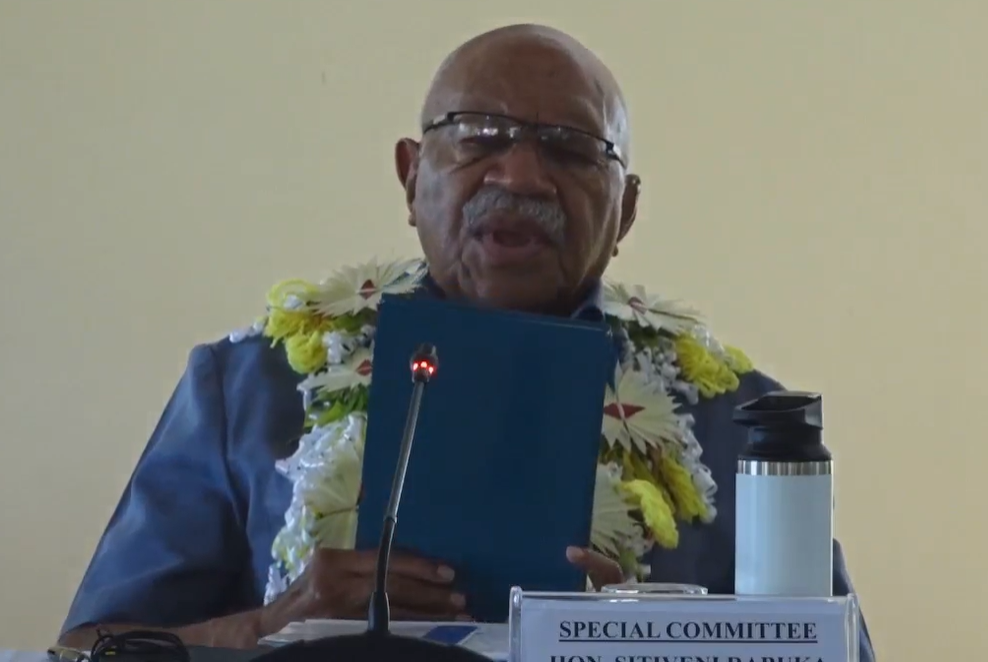
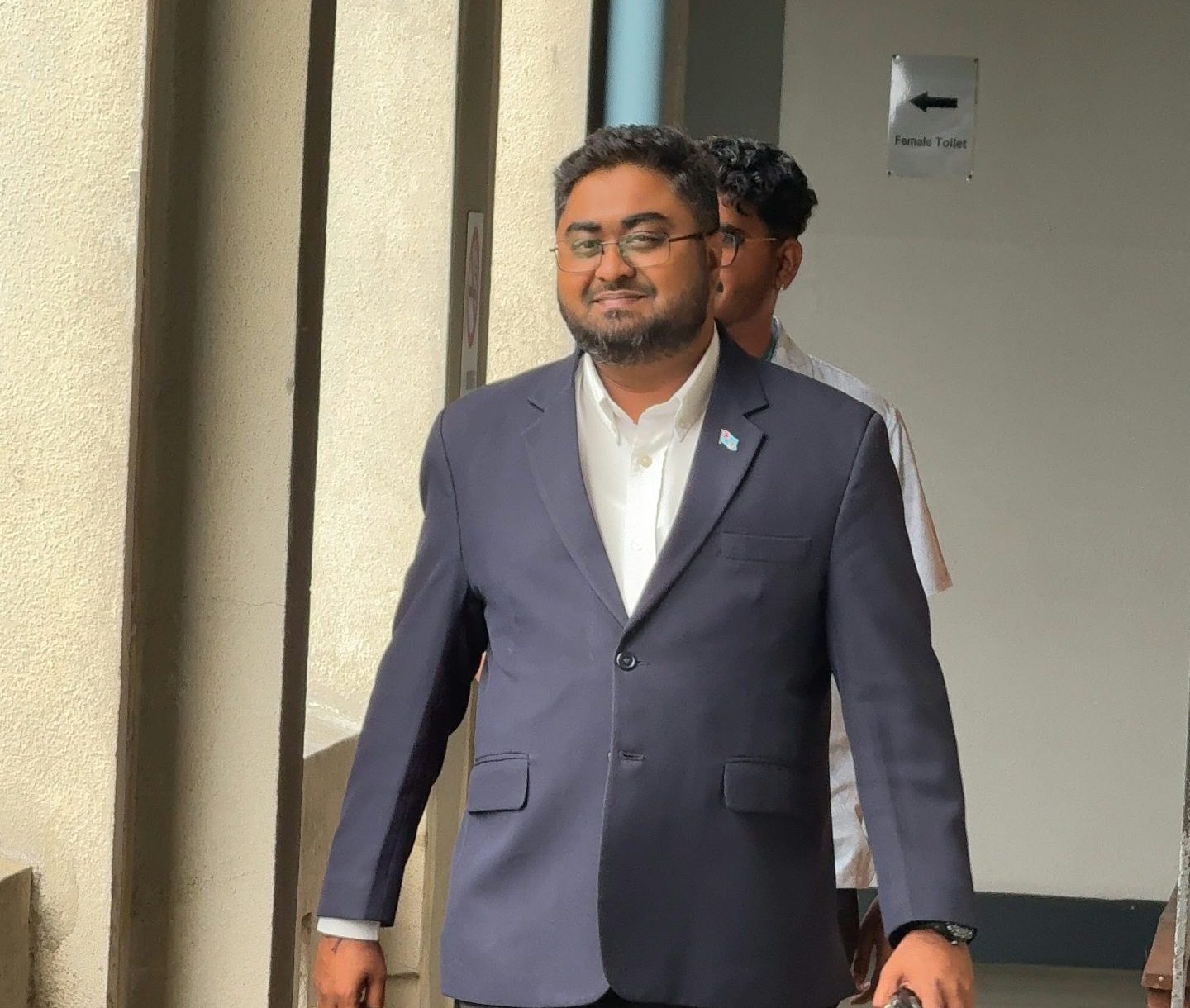
Speaking at the 2026 HIV Pacific Symposium at the Sheraton Fiji Golf Resort and Spa in Nadi yesterday, Health and Medical Services Minister Dr Ratu Atonio Lalabalavu stressed that curbing transmission required a unified, nationwide effort.
His comments echoed an earlier address by the President, Ratu Naiqama Lalabalavu, who highlighted the critical involvement of the vanua, the traditional indigenous socio-political structure, in tackling the health emergency.
“Our endeavour is to reduce transmission and try to get control of our epidemics,” Dr Lalabalavu said. He emphasised that traditional structures must be integrated into national strategy.
“We need everyone, including the vanua, an integral part of our effort to do this. Definitely, coming from his Excellency the President, that speaks volumes.”
Dr Lalabalavu said the president’s call to action as both head of state and a traditional leader sets a precedent for community engagement.
“For me, as with the current taskforce and this program, there is a place for the vanua at the table to see how best we can discuss these things moving forward.”
Addressing global targets aimed at controlling HIV by 2030, he said achieving progress depended entirely on effective local execution rather than passive goal-setting.
“While the target is there, how it can be achieved is dependent on how the programs are fully implemented.”
With testing efforts expanding across the country, official case numbers continue to climb, a trend the minister described as an essential first step toward long-term control. “As the excellency said, this is just the tip of the iceberg, right now, while the numbers keep increasing, our efforts should also scale up in terms of treatment, testing and awareness.”