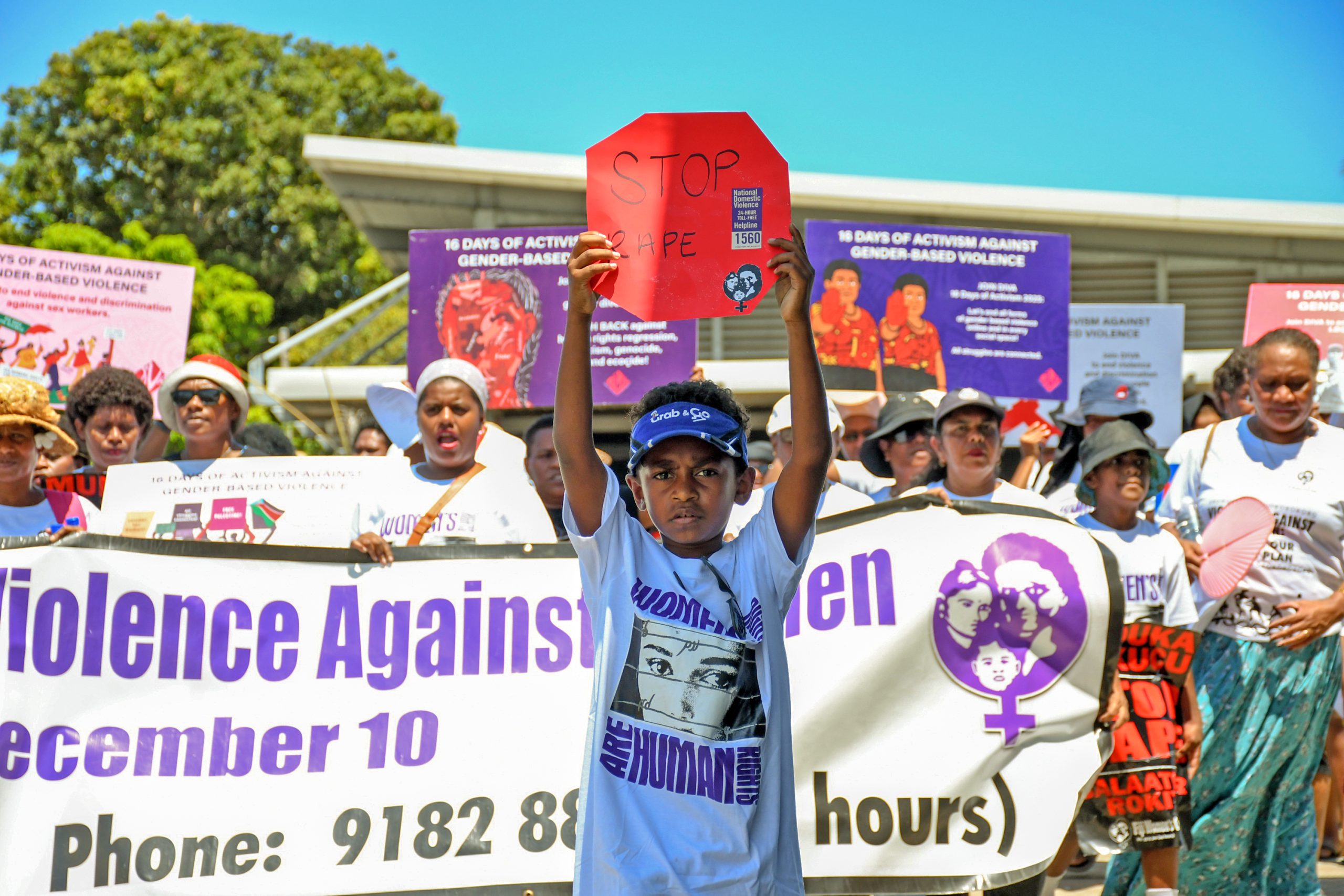
ONE in four women, who have experienced physical or sexual violence by an intimate partner, has sought help from formal services, highlighting major barriers preventing survivors from accessing support in Fiji.
The finding is among key revelations in Fiji’s second National Study on Women’s Health and Life Experiences 2025, titled Still Everybody’s Business! 15 Years On, which examines emerging forms of violence against women and identifies gaps in prevention and support services.
The study found that 9 per cent of women had experienced technology-facilitated violence, with intimate partners identified as the majority of perpetrators.
For the first time, Fiji has nationally representative data on the prevalence of technology-facilitated violence against women.
The research also examined the relationship between natural disasters and intimate partner violence, finding that 80 per cent of women had experienced a natural disaster.
Women exposed to natural disasters were more likely to experience emotional and physical violence from intimate partners, highlighting the need to integrate violence prevention and response into climate change and disaster preparedness programs.
The study also found that women with disabilities faced heightened risks, with 32 per cent experiencing disability-specific forms of violence.
Among survivors who had experienced physical and/or sexual intimate partner violence, only 26 per cent had sought help from formal services.
Normalisation of violence, fear of family consequences, embarrassment and concerns about losing their children were identified as major barriers to seeking assistance.
The impact on children was also significant, with more than half of women who had experienced physical and/or sexual intimate partner violence reporting that their children had witnessed the physical abuse.
Fiji Women’s Crisis Centre (FWCC) coordinator Shamima Ali said the findings should serve as an important reference point for Government, civil society, development partners and communities.
“Ending violence against women cannot be the responsibility of women’s organisations alone. It requires a whole-of-government and whole-of-community commitment, with adequate resources, accountability and sustained investment in prevention and support services,” she said.
Ms Ali said the study’s title was a reminder that violence against women was not a private family matter.
“It is a human rights issue and a national development issue. We all have a responsibility to ensure that women and girls can live free from violence.”
While the research recorded a decline in physical and sexual intimate partner violence, it called for further investigation into the factors contributing to the change.
Possible contributing factors included more than four decades of advocacy by feminist civil society organisations, improvements in women’s education, changing attitudes towards gender equality, legislative reforms and collaboration with faith-based organisations, traditional leaders, the corporate sector and sporting organisations.
The report outlines 22 recommendations covering violence prevention, survivor support, and strengthening evidence and monitoring.
These include full implementation of Fiji’s National Action Plan to Prevent Violence Against All Women and Girls 2023–2028, increased investment in safe alternative housing for survivors, improved training for frontline service providers and targeted support for women in remote and maritime communities.
It also recommends stronger programs addressing coercive control and emotional violence, greater accountability for perpetrators, improved law enforcement responses and a national mechanism to monitor and report femicide cases.
The research involved 3465 women across Fiji and was undertaken through a partnership between FWCC, the Fiji Bureau of Statistics and the Equality Institute.
FWCC acknowledged the women who participated in the study, as well as families, villages, communities and traditional leaders who supported the research teams during fieldwork.
The research was financially supported by the Australian Department of Foreign Affairs and Trade and the New Zealand Ministry of Foreign Affairs and Trade.