RESIDENTS living in the Vanuakula informal settlement in Drasa, Lautoka continue to experience pressing health and infrastructure deficiencies more than 10 years after their relocation from the Navutu settlement, says Alumeci Vularika Baka a lecturer at the Umanand Prasad School of Medicine.
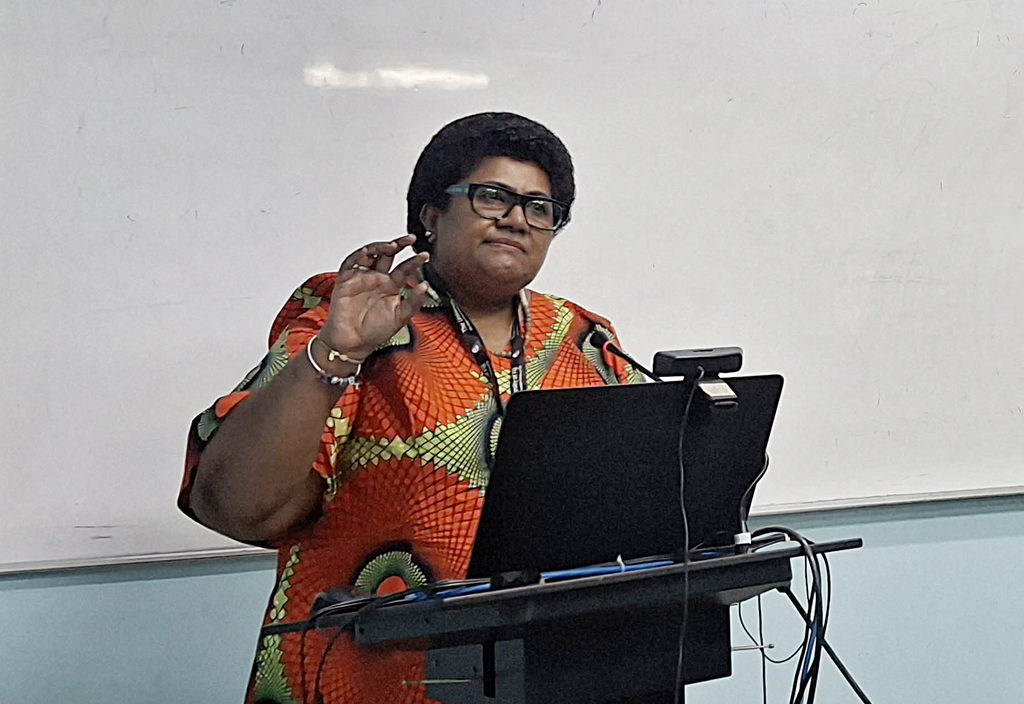
She said this while presenting research during a recent climate change symposium at the University of Fiji’s Saweni Campus, examining the decade-long impacts of relocating residents from Navutu to the inland settlement of Vanuakula in Drasa, Lautoka.
The study identified high unemployment rates and low monthly household incomes among the settlement’s population, exacerbating challenges related to daily living standards and resource access.
Major health concerns identified within the community included high blood pressure, diabetes, and outbreaks of dengue fever, compounded by infrequent medical visits and low turnout for health screenings.
Infrastructure issues further compound these health risks, with residents relying heavily on unreliable piped water systems that suffer from low pressure during the day and persistent pit toilet usage.
Ms Baka pointed out that community members also face food security hurdles, marked by a noticeable dietary shift toward processed foods and reduced consumption of fresh traditional items due to financial constraints.
Despite these hardships, residents have utilised available land for backyard farming and demonstrated strong social cohesion through community and church networks.
Ms Baka emphasised that social capital alone cannot substitute necessary institutional intervention.
“Moving people is not the same as reducing vulnerability,” she said.
Ms Baka stressed that relocation without sustained support only shifts vulnerabilities rather than solving them entirely.