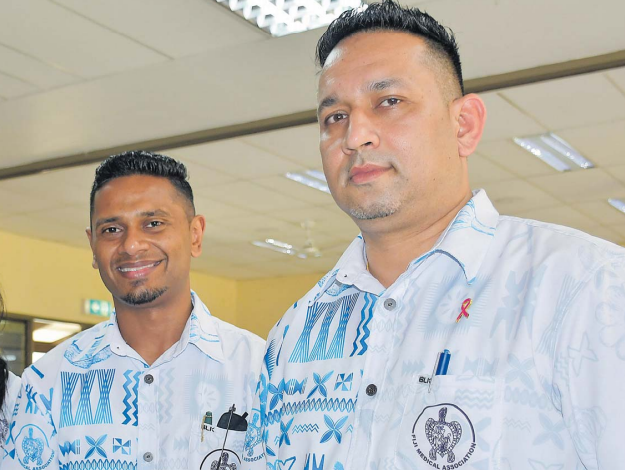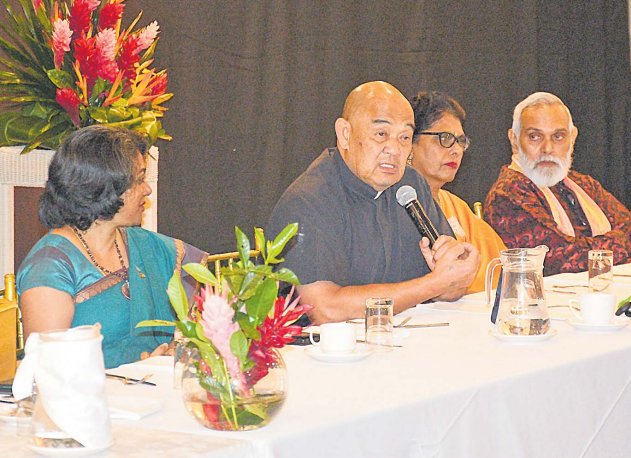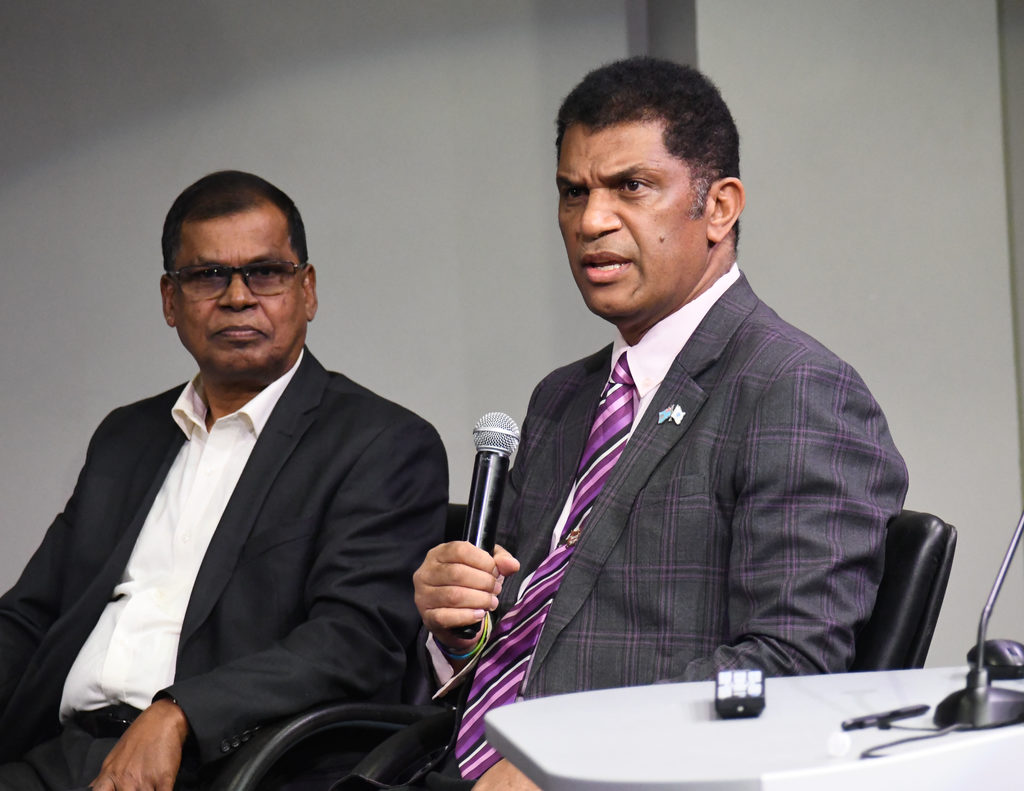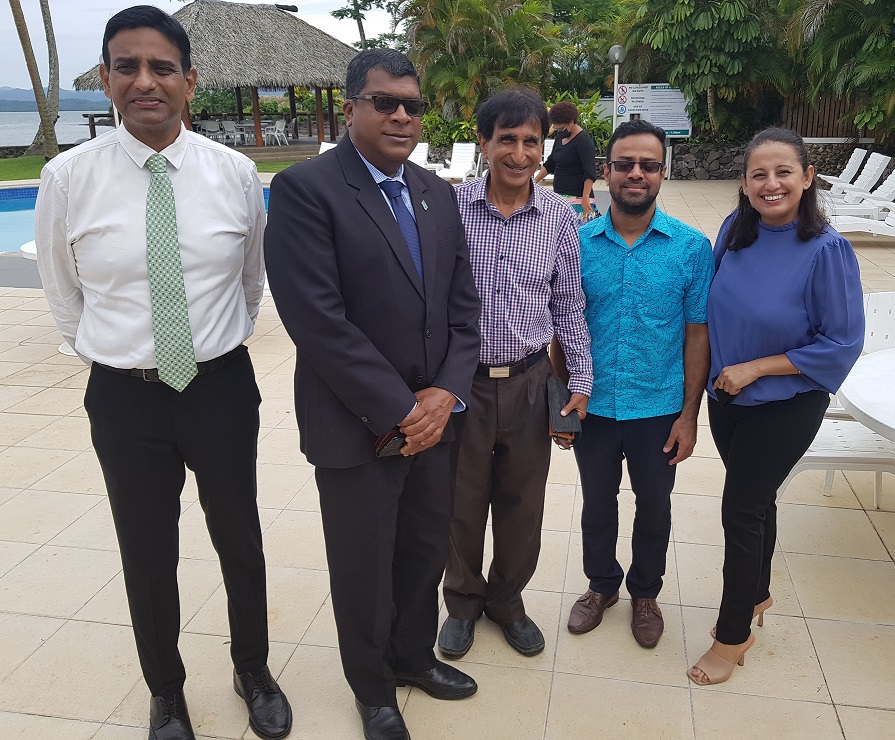
Recognising the urgency and the need to halt the impact that pollution has on the environment, four local companies have pledged to work towards zero waste organisation as part of the Global Recycling Day 2022.
These companies are Tappoo Group of Companies, MyDesk Fiji, Model Towns Fiji Charitable Trust (Koroipita) and Nadi based Essence Group Fiji.
The companies have pledged to undertake a number of steps over the next three years towards a zero-waste ambition.
In a statement the Ministry of Environment shared some of these steps which included working towards adopting a goal – 90 per cent waste that are recyclable are recycled or disposed through a recycling centre and receipted.
It also includes exploring a recycling pathway for every material ready for disposal, no recyclable resources to be allowed to be burnt or buried, undertaking to adopt within the organisational corporate policy – a “Zero Waste Policy” and undertaking to annually submit the organisation’s recycling data to the Department of Environment substantiating the progress made or maintained.
Their zero waste ambition has also prompted the Ministry of Environment to include the four companies in their Gold Card program.
According to the ministry the Gold Card Loyalty Program was initiated by the Department of Environment in 2020 to expedite services and reward businesses and individuals who have a proven track record of sustainable environmental management practices, adhering to the terms and conditions of permits/ approvals issued and carrying out proper environmental management reporting and auditing in consultation with the Department of Environment.
Meanwhile to mark Global Recycling Day 2022 Minister for Environment Dr Mahendra Reddy also launched the Ministry of Environment’s 7R Waste Management Policy – with the 7Rs being reduce, rethink, refuse, reuse, repurpose/repair, recycling and recover.
The 2022 “7R” Policy sets out a comprehensive framework to advance Fiji’s Waste Management efforts and a Zero Waste Ambition drive.
The policy is closely aligned to the Environment Management Act 2005 and the Environment Management (Waste Disposal and Recycling) Regulation of 2007.
Dr Reddy said this document also recognised the need for integrating the “7Rs” in our everyday life.
“The 7R concept – reduce, rethink, refuse, reuse, repurpose/repair, recycling and recover – constitutes a progressive platform for remodelling approaches taken towards waste management — one that strives to fulfil a lifestyle that is focused on resource management.
“The policy will assist organisations to re-engineer and practise lean management in their production processes. It also supports the regeneration, remodelling and recycling of waste products and processes for maximum economic benefits to the business owners.”