
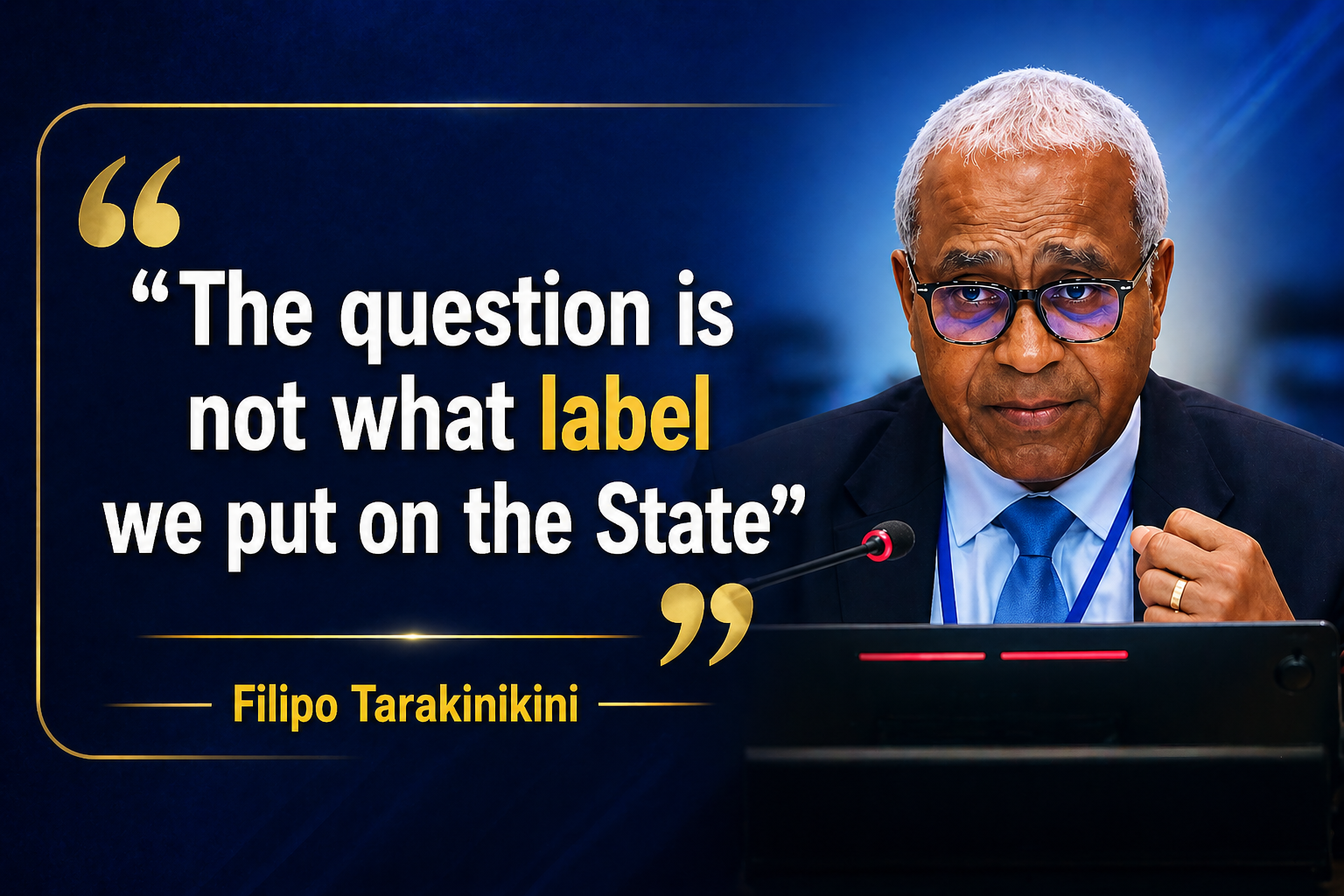
Fijian diplomat Filipo Tarakinikini is urging a deeper national reflection on the Constitution, arguing that the current debate is focused on the wrong question.
Writing as a private citizen, Mr Tarakinikini said discussions have largely centred on whether Fiji should be declared a Christian State or remain secular — but said both positions miss a more fundamental issue.
“The question is not what label we put on the State. The question is this: why do you have dignity?” he said.
He stressed that the foundation of human dignity must go beyond legal or political arrangements.
“Not because the Constitution says so — constitutions can be overthrown, as we know better than most,” he said.
“Not because parliament voted for it — parliament can vote it away.”
Mr Tarakinikini pointed to Fiji’s history of four constitutions in 50 years, all of which were eventually set aside, as evidence that rights grounded solely in political consensus remain vulnerable.
“Each one overthrown… not because the rights they listed were wrong, but because they rested on political agreement alone, and when that agreement broke down, the rights broke with it,” he said.
He argued that a more enduring and universal foundation is needed to safeguard rights for all Fijians.
“I believe the answer is that every Fijian is made in the image of God… and it is the only foundation for rights that no coup, no parliament, and no emergency decree can ever touch,” he said.
Mr Tarakinikini said his position is not intended to divide along religious lines, but to provide a shared basis for dignity across all communities.
“That is not a sectarian statement. It applies to every person regardless of their faith,” he said.
He added that he has outlined his views in a full opinion piece, exploring how Fiji can move beyond the binary debate of Christian versus secular state, and instead build a more durable and honest constitutional foundation.
The comments add a new perspective to the national conversation, shifting attention from labels to the deeper principles underpinning rights, identity and governance in Fiji.

