
THE Health Ministry has put in place response plans in preparation for the prolonged dry period expected to affect the country until early 2027.
The dry spell forecasted by the Fiji Meteorological Services is a consequence of the Super El Nino phenomenon affecting most parts of the world.
Assistant Minister for Health and Medical Services Penioni Ravunawa says ensuring every major divisional hospital and health centre has running water is a priority.
“In the public health sector, it is important that we have running water in all of the health facilities, nursing stations, sub-divisional hospitals and also in our tertiary level care,” he said.
“We cannot run the hospital without running water.
“Our executive management are putting plans in place to be ready and to expect the worst if El Nino strikes this part of the region badly.”
He said the ministry’s WASH program had been critical in their efforts.
“For the last three years we have put together sanitation programs for most of our health facilities.
“We have reserve tanks that have been put up to ensure the better flow of water into the hospitals now.
“We have put up renewable energy systems for sustainable storage and delivery of vaccines for our children.”
According to the World Health Organization’s El Nino 2026 Global Public Health Situation Analysis, droughts and flooding may disrupt food production, livelihoods and access to safe water, and increase the risk of food insecurity and malnutrition.
The report explained droughts and flooding may heighten the risk of waterborne, vector-borne and foodborne infectious diseases.
“Extremely hot and dry conditions may lead to heat waves, wildfires, increased smoke and deteriorating air quality causing or exacerbating heat related illness, acute respiratory diseases and other noncommunicable diseases (NCDs).”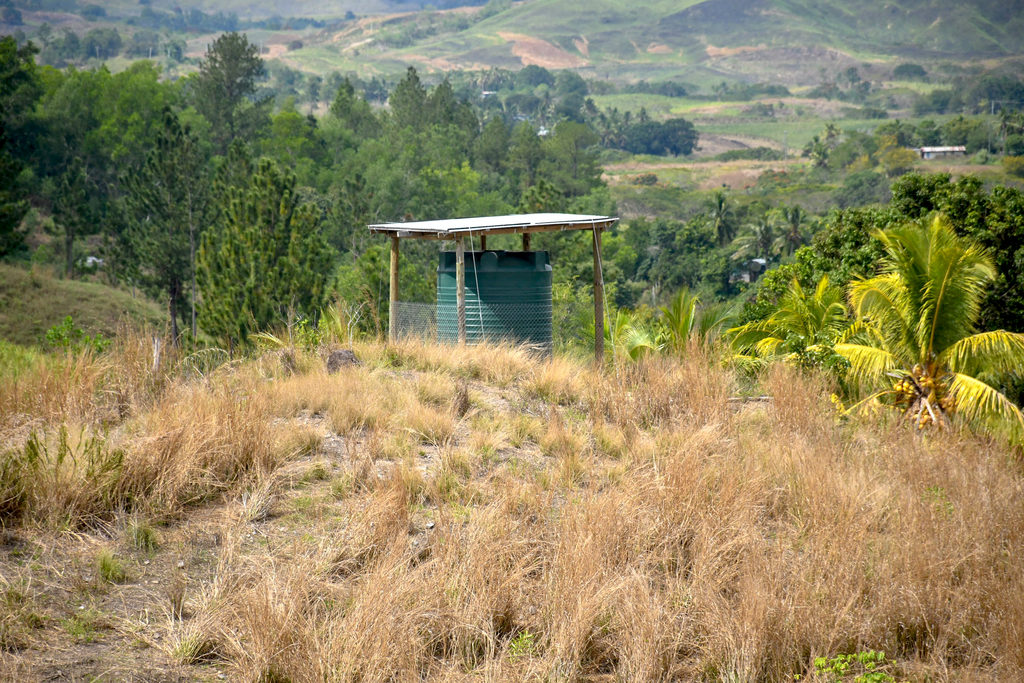
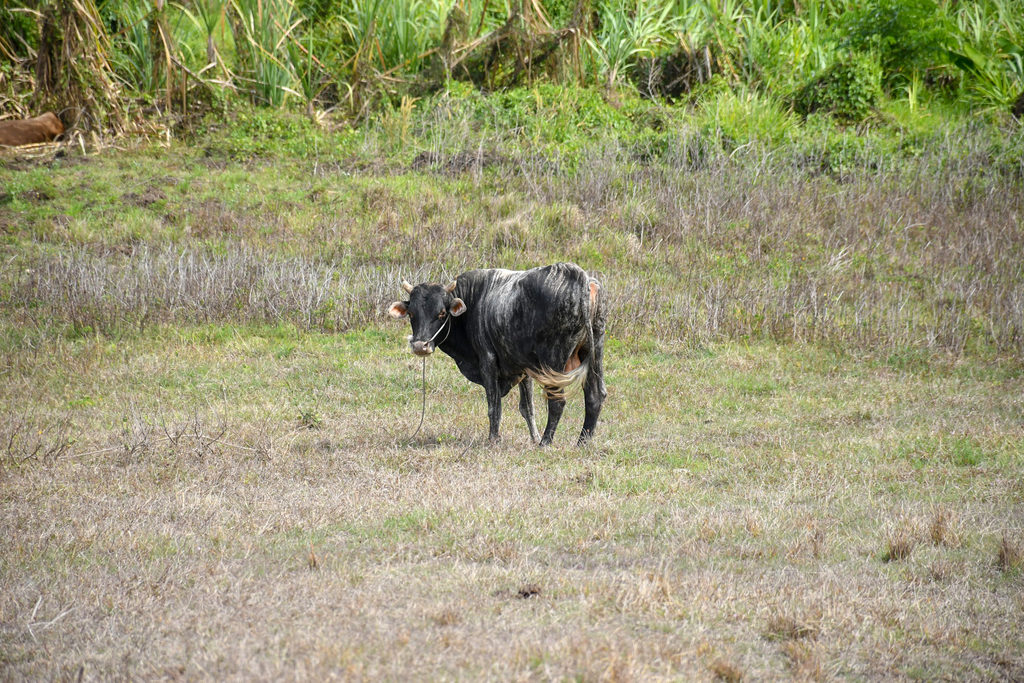
Farms, livestock and water sources in Nawaicoba, Nadi are severely affected by the drier conditions caused by the Super El Nino phenomenon affecting the Western Division. Pictures: REINAL CHAND

