
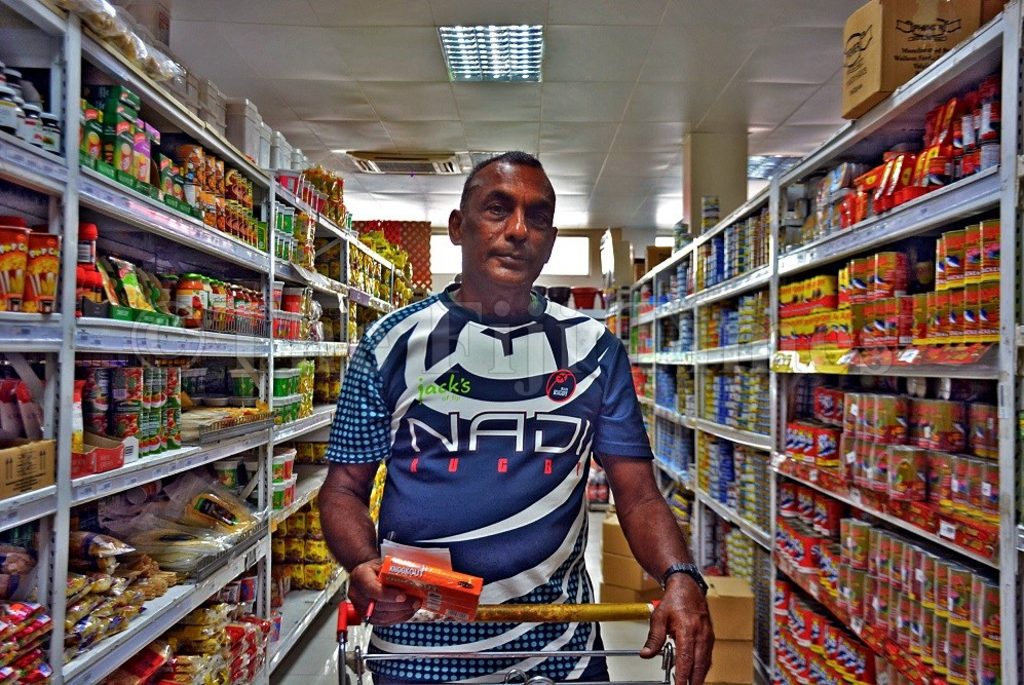
Bula vinaka shoppers, every visit to the supermarket now feels more expensive than the last. As a regular shopper, I have noticed that basic food items are steadily rising, forcing households to rethink their budgets.
Items that were once affordable are now becoming more expensive. Eggs, tea, rice, assorted canned foods, sauces, potatoes, onions and vegetables are all costing more.
Many shoppers are switching to cheaper brands or buying fewer items just to stay within their budget. This situation is affecting households across the country. Parents are prioritising essentials while cutting back on treats, and some are even removing items at the checkout to save some cash.
These are small but telling signs of how the cost of living today is shaping our decisions. With rising fuel costs and global pressures, the burden is now being carried by everyday shoppers as there are extra expenses for things like the Coke Games where parents are digging deeper to meet costs.
Many families will continue making difficult choices just to put food on the table. The cost of keeping our lights on, fridges running and fans spinning is also expected to increase, adding further pressure to household budgets.
Energy Fiji Ltd has requested an emergency fuel surcharge adjustment due to rising international fuel prices, which have increased its operating costs and placed pressure on cash flow for them.
The Fijian Competition and Consumer Commission has confirmed receiving the submission and is conducting a review, with no decision made yet. While acknowledging that global fuel price increases are beyond EFL’s control and that financial stability is important for reliable electricity supply, the commission says any adjustment would consider the impact on households and businesses.
Its priority is balancing consumer protection with maintaining sustainable electricity services. Retailers are also warning of more increases. The Suva Retailers Association says the global fuel price crisis is already increasing import costs for businesses, which will push consumer prices higher.
Goods from major trading partners are becoming more expensive, while supply chains remain under pressure. Although some businesses are absorbing costs by cutting internal expenses, this may not be sustainable, especially for price-controlled items with low margins.
The FRA warns that as higher-cost stock arrives consumers should expect further price increases in the coming weeks.
The Coalition Government has acknowledged the increase in fuel prices and the added financial pressure this places on families, workers and businesses.
Higher fuel costs affect transportation, food prices and everyday goods, making the cost of living more challenging. While fuel pricing is determined independently by the FCCC based on global market conditions, Government says it will cushion the impact.
Their measures include supporting low-income households, assisting businesses facing rising operational costs and maintaining stability in key sectors of the economy.
Government is encouraging responsible fuel use and reducing unnecessary consumption wherever possible. Prime Minister Sitiveni Rabuka announced measures to ease the burden which include direct relief for bus operators to keep fares stable and diesel subsidies for EFL to maintain uninterrupted power supply.
Welfare assistance for vulnerable groups will increase, and there is a possible reduction planned for FNPF contributions. Cost-cutting measures have been introduced, including a proposed 20 per cent pay cut for ministers, assistant ministers and MPs, restrictions on overseas travel, and a hold on new civil service positions.
Other steps include limiting government vehicle use, suspending overtime payments and pausing new capital projects without signed contracts. Fiji remains in Phase One — Preparedness and Responsible Use — with fuel still available. The Government says they will ensure electricity, public transport and key economic sectors continue without disruption.
Our fuel stocks remain above 50 percent, with shipments secured, while efforts are made to continue to secure additional supply. The reality, however, is that shoppers are already feeling the impact.
Rising costs at the supermarket, higher transportation expenses and possible increases in electricity charges are all adding pressure to household budgets. During this time, careful planning is important. Buying needs, reducing waste and choosing essentials can help households manage. Preparing early without panic buying may also help.
The fuel crisis may be global, but its effects are local and its impact is real on shoppers.
For now households will continue tightening their belts, making tough decisions, to keep food on the table and lights on in homes while jobs remain secure.
Students keep safe during the Coke Games and may the best team win! Help save money these holidays.
Life will be financially tougher.

