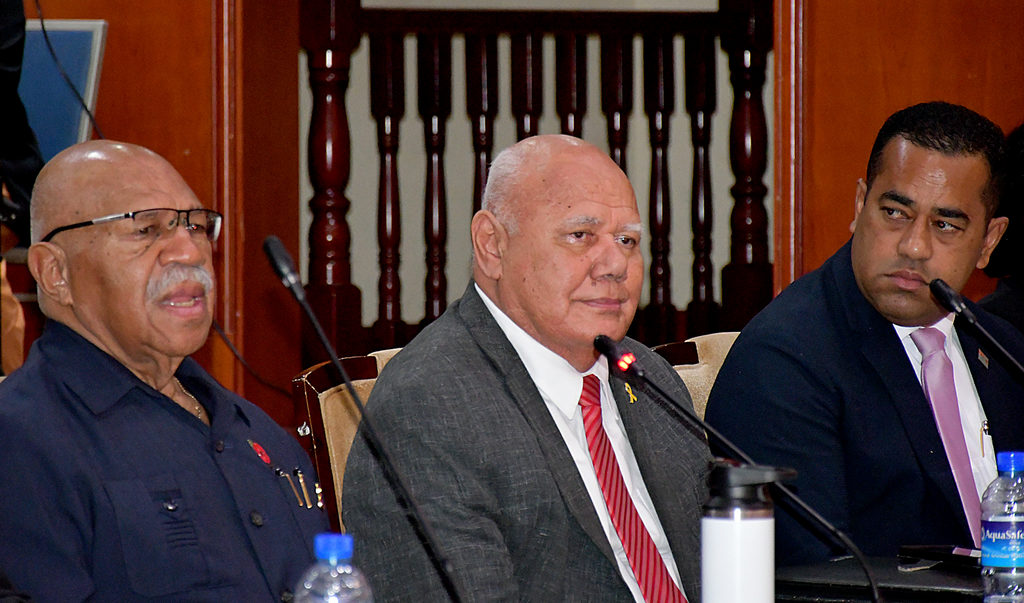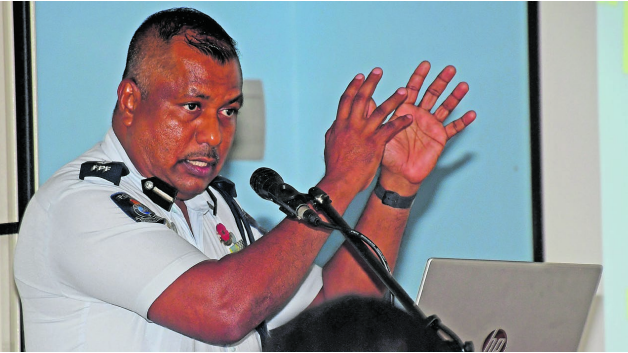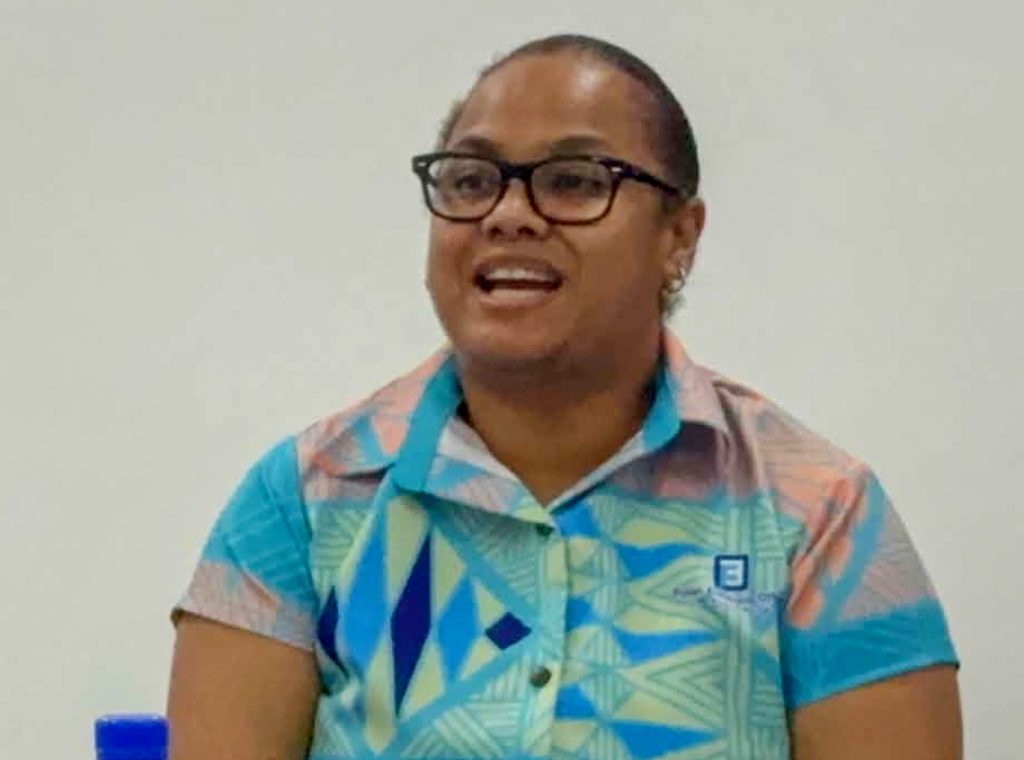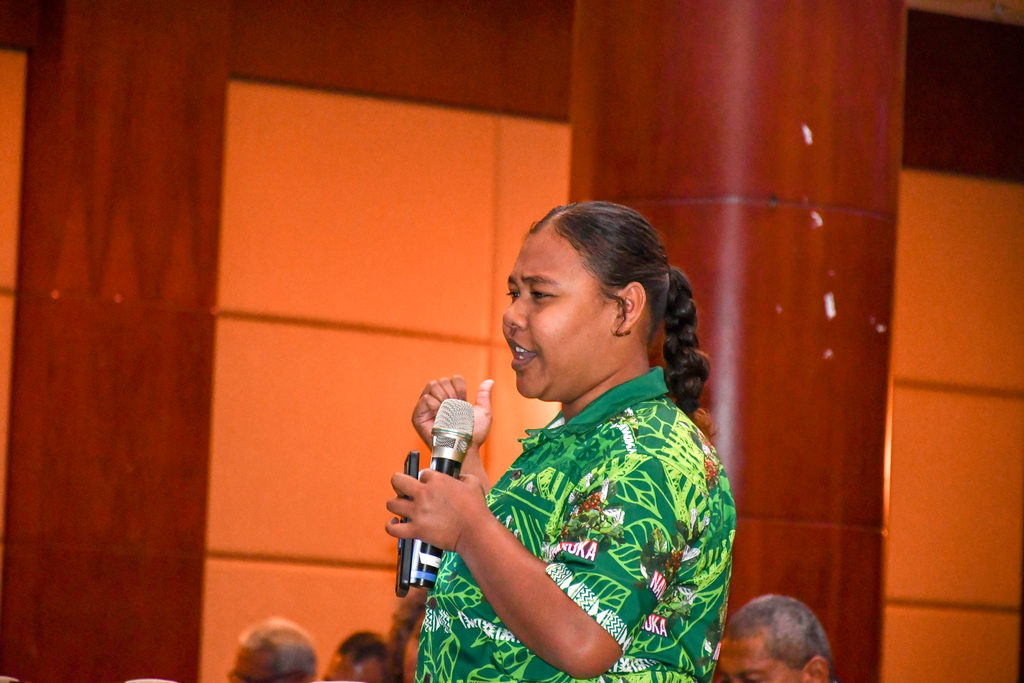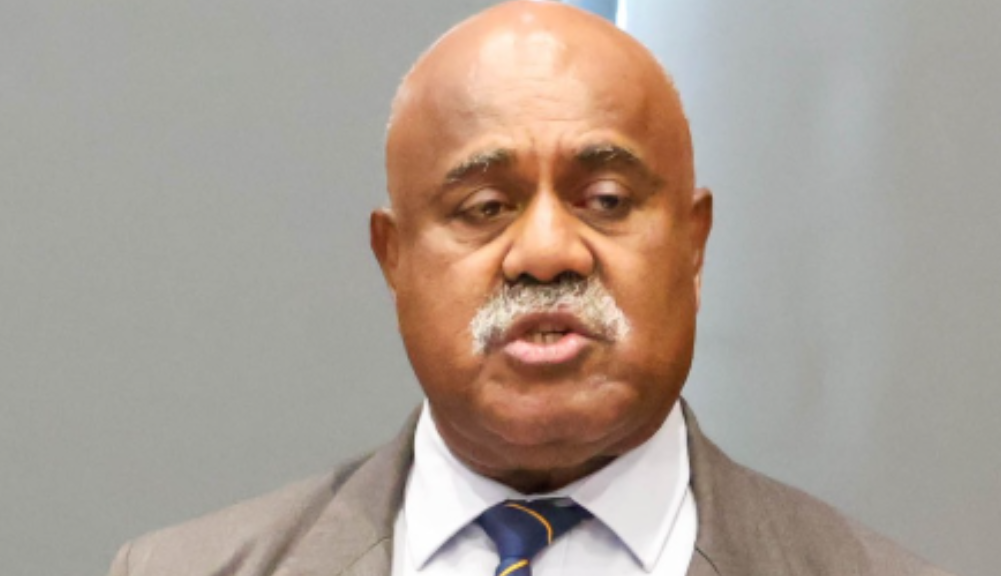
Religious differences must not stand in the way of tackling Fiji’s social problems, Assistant Minister to the Office of the Prime Minister Sakiusa Tubuna says, calling on followers of different faiths to work together.
Speaking at the Interfaith Fiji workshop on strengthening cooperation among faith-based organisations, he said poverty, child abuse, HIV, substance abuse and family breakdown remained serious social challenges that could not be tackled by Government alone.
“The challenges before us are significant, but they are not insurmountable,” he said.
Mr Tubuna said faith-based organisations were well positioned to identify social problems early because of their close connections with families and communities as he identified five areas for stronger cooperation, including establishing communication channels to share information and coordinate assistance, and developing joint programs such as anti-drug campaigns, violence prevention and youth development activities.
He called for training to equip faith leaders and volunteers with skills in mental health awareness, child safeguarding, suicide prevention and conflict resolution, while ensuring people needing specialist help were referred to professional services.
He also urged faith-based organisations to prioritise young people and families through mentoring, life-skills training, career guidance and parenting programmes.
Mr Tunabuna added that stronger partnerships with Government, civil society and the private sector would enable organisations to combine resources and expertise to reach more vulnerable people.
“Prevention is often more effective than waiting until a problem becomes a crisis.”
Mr Tubuna stressed that religious, racial and ethnic differences should not prevent organisations from helping those in need.
“Let us move from dialogue to action, from isolated efforts to coordinated programs, and from good intentions to measurable results.”