Bula Vinaka Something as basic as buying a serving of kakana dina – cooked tavioka – is becoming another expense for struggling households, particularly for workers rushing home after a long and tiring day.
What once cost $5 is now selling for $7. A $2 increase makes a difference to shoppers who are already counting every dollar to get through the week.
For many Fijian families, tavioka is a staple food. Buying it cooked is particularly convenient for workers, students and shoppers who are constantly on the move and may not have the time to prepare meals at home.
But when the price of everyday food begins to climb, shoppers are left wondering who is keeping an eye on these increases.
Vendors, on the other hand, have their own challenges. Rising fuel prices have increased transportation expenses, while higher operating costs and the price of purchasing bags of tavioka from farmers and suppliers are putting additional pressure on their businesses.
They too need to make ends meet.
When the cost of bringing produce to the market increases, those expenses are often passed on to consumers.
Prime Minister Sitiveni Rabuka has acknowledged that families are finding the rising cost of living difficult to manage, with uncertainty surrounding global fuel supplies and prices adding further pressure.
It is a difficult cycle when both vendors and shoppers are feeling the pinch.
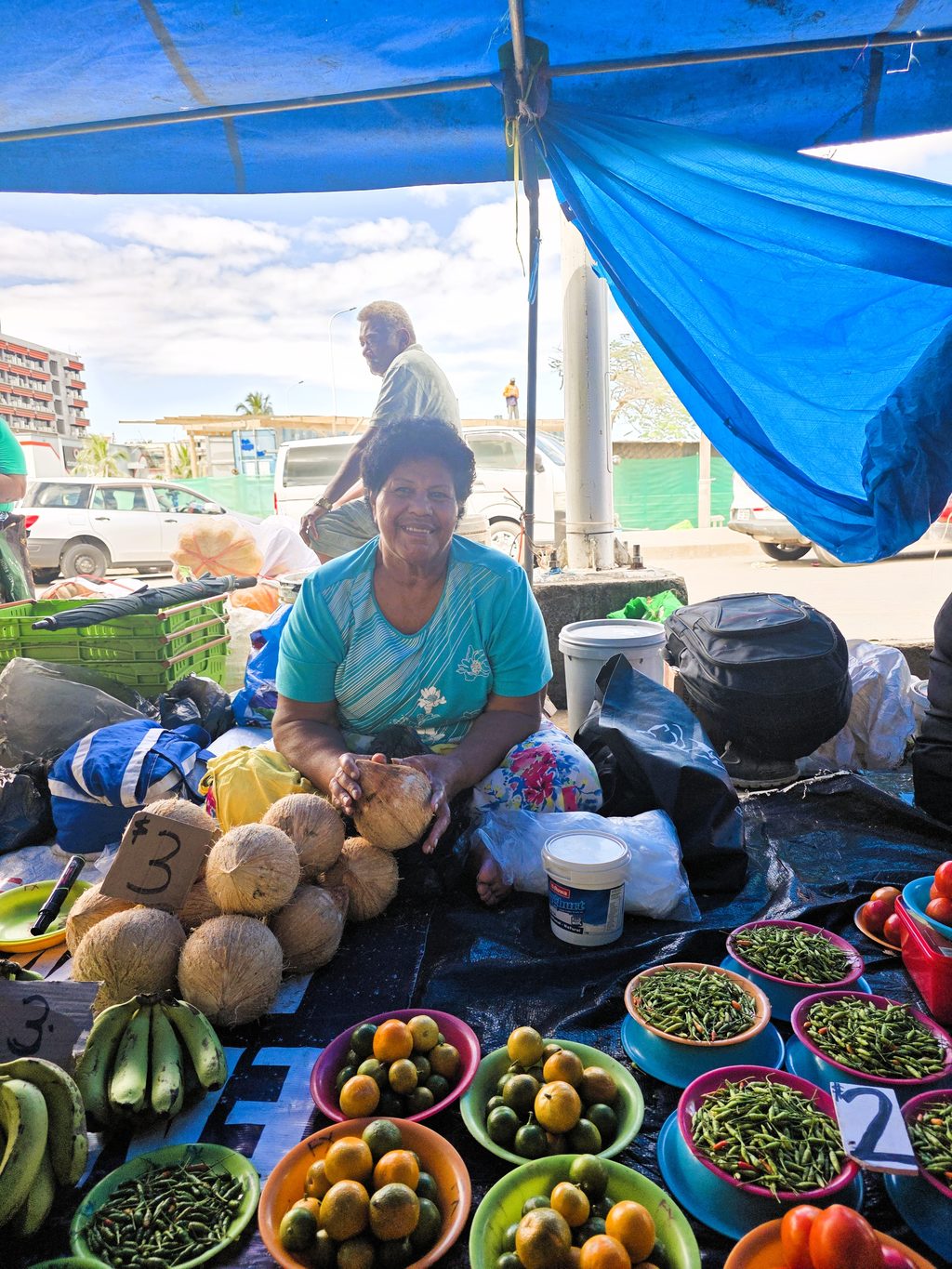
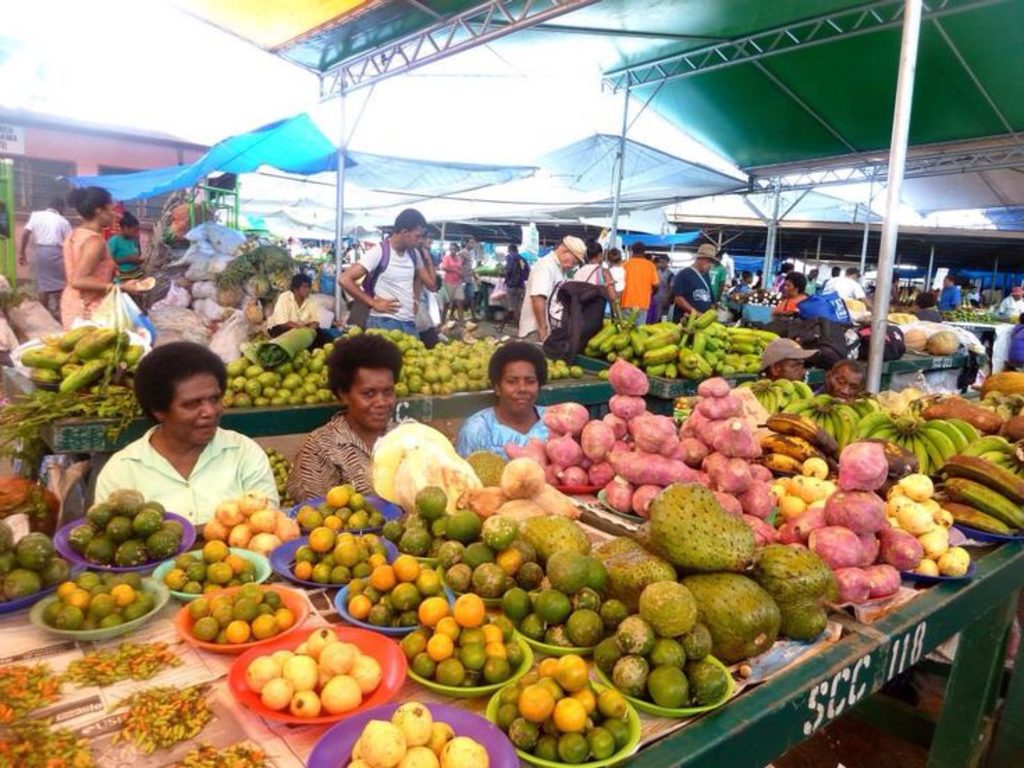
The price of cooked tavioka has reportedly increased at Flagstaff, Nabua and Valelevu markets. In Suva market where produce are the cheapest, prices can rise when supplies are limited, particularly during public holidays.
The issue has also attracted discussion on social media, with consumers raising concerns about the value they receive for their money.
Some shoppers say they are paying more but receiving smaller portions, while the quality and freshness of the tavioka do not always justify the $7 price tag.
Some portions are hard and small, while others appear discoloured or less than fresh.
So, are consumers really getting value for money?
For households already stretching their budgets, paying more for less is frustrating.
Despite rising prices and concerns about quality, shoppers continue to buy from roadside stalls and market vendors because convenience often leaves them with few alternatives.
Not everyone has the time, facilities or resources to prepare meals at home.
At our markets, raw tavioka continues to sell for around $5 or $10 a heap and can provide ingredients for several meals. However, for families juggling work, school and other responsibilities, buying it already cooked remains a practical option.
The challenge is that convenience is gradually becoming more expensive.
But who is keeping an eye on the prices consumers are paying for food?
The Fijian Competition and Consumer Commission (FCCC) is responsible for monitoring prices and enforcing consumer protection laws in Fiji.
The Commission oversees regulated prices for certain goods and services, monitors compliance with price-control requirements and investigates consumer complaints about possible breaches of the law.
However, not every food item sold is subject to price controls.
Prices of many fresh agricultural products and prepared foods can fluctuate depending on supply, demand, transportation expenses and other operating costs.
This makes it important for consumers to understand which products are price-controlled, and which are determined by market conditions.
It also highlights the need for greater public awareness about how shoppers can report suspected overcharging, misleading pricing and other unfair trading practices.
Consumers should not have to remain silent when they believe they are being treated unfairly.
At the same time, vendors must be recognised as part of the same economic struggle. They are not immune to rising fuel prices, transportation costs and wholesale expenses.
However, consumers should not have to bear the burden without being able to question the value and quality of what is being offered.
Perhaps it is time for greater transparency throughout the food supply chain, from farmers and wholesalers to retailers and market vendors.
Food is a necessity, not a luxury. When a simple serving of cooked tavioka begins costing $7, it tells us something about the growing pressure on the everyday shopper.
For many families, the concern is no longer simply about finding something to eat. It is about finding food that is affordable, fresh and worth their money.
While wages remain largely unchanged, the cost of putting food on the table continues to rise. And when shoppers are paying more but receiving smaller portions or compromised quality, the question of affordability becomes even more urgent.
The bottom line is simple: vendors deserve a fair return for their produce and effort, but consumers deserve fair prices, honest portions and food of acceptable quality.
Because at the end of the day, the real cost of rising food prices is not just measured in dollars. It is measured in how much less an ordinary Fijian family can afford with the same income.