Bula Vinaka everyone. Diwali is a festival of light, generosity and togetherness, but for consumers preparing to celebrate, it can also bring pressure on household budgets, due to the temptation to spend more.
As families prepare for the Festival of Lights, the Consumer Council of Fiji is urging shoppers to be vigilant, compare prices and think carefully before reaching for their wallets.
With spending expected to increase on groceries, sweets, clothing, firecrackers, electrical appliances, decorations and gifts, the Council says consumers should be wise.
Chief executive officer Seema Shandil says shoppers should set realistic budgets, examine product quality and understand the conditions attached to advertised discounts.
“Consumers should not assume that every advertised discount represents a genuine saving.
Compare prices, check product quality and make sure you understand the terms and conditions before making a purchase.
A promotion should mean a better deal — never lower quality. Product safety must always come first,” she said.
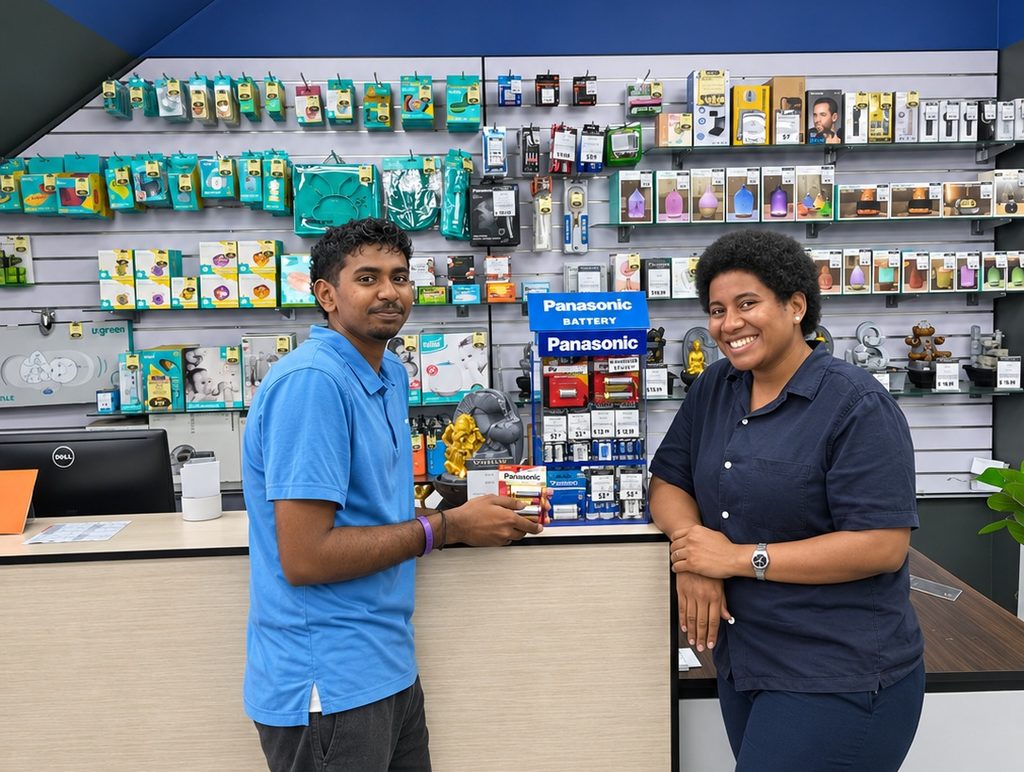
The warning follows 37 market surveillance visits conducted by the Council across supermarkets and other retailers selling Diwali-related products.
Among the concerns were misleading discounts, bait advertising, expired food products and religious idols carrying false labels.
Shandil said some retailers were advertising products as being on sale when their prices were no better than their usual selling prices.
She encouraged consumers to shop around rather than rush into purchases simply because an item carried a promotional label.
Another concern is the sale of expired ingredients commonly used in preparing Diwali sweets and other festive food.
Condensed milk, food colouring, vanilla essence and other baking ingredients are among the products shoppers should inspect carefully.
Consumers need to check expiry and best-before dates, packaging and storage conditions before purchasing food.
Electrical appliances and decorative lights also require attention. Shoppers should check safety labels, inspect products and confirm warranty coverage and after-sales support.
But beyond the warnings and shopping lists, Diwali means something different to every household.
For 59-year-old Aunty Vamly, who sells roti along Butt St, this year’s celebrations will be quieter.
Having lost her younger brother to a heart attack two months ago, she says she will not personally celebrate Diwali.
However, her extended family will still prepare food and gather. Her household has allocated about $300 for groceries and cleaning supplies.
Having recently purchased a new home, she is also looking forward to treating her grandson, who lives with her.
For security guard Sunil, preparations are already well underway.
He has spent about $300 on food and sweet ingredients and expects to spend another $150 on firecrackers.
Last Friday, he took a day off to complete his shopping, clean his home and attend to the transfer of his property title from his mother to himself.
Meanwhile, 65-year-old Bimla, who operates a small shop along Butt St, has set aside $300 for food.
A widow and mother of two daughters living overseas, she plans to make sweets, puri and vegetable curries for friends and family.
Her celebration may be modest, but she believes the meaning of Diwali is not measured by how much money a household spends.
These stories reflect the different circumstances families face. Some will celebrate with large gatherings, while others will keep things simple. Some will have generous budgets, while others will carefully stretch every dollar.
And that is worth remembering.
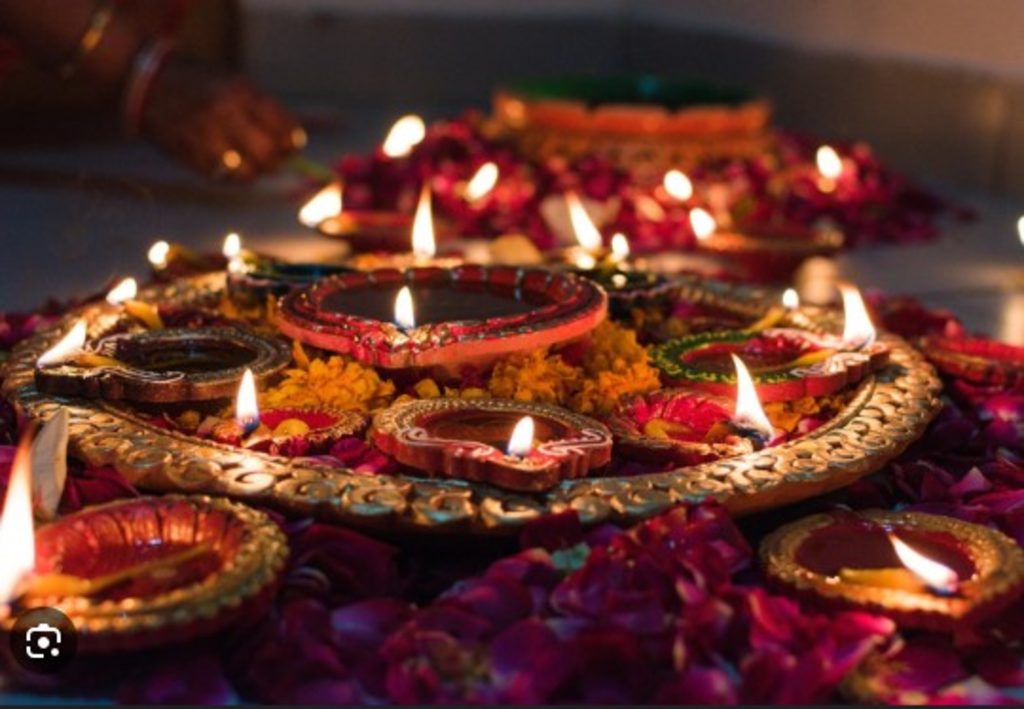
Diwali is not a competition over who buys the most, prepares the biggest feast or lights the brightest display. Its deeper message is the triumph of light over darkness, good over evil and hope over despair.
It is also an opportunity for Fiji’s multicultural communities to strengthen the bonds that make our society special.
Hindu families often open their homes and share sweets and meals with neighbours, friends and people of different faiths.
This spirit of hospitality is something to appreciate, not take for granted.
As children visit homes during the festive season, parents and guardians also have a responsibility to teach them good manners, gratitude and respect.Accepting sweets or gifts should never become a demand.
A household’s willingness to share is an act of kindness, not an obligation.
We should extend the same respect to our Hindu neighbours during our own religious celebrations, whether it’s Easter, Christmas or any other occasion.
Ultimately, a meaningful Diwali does not depend on the size of the shopping bill.
It is found in the care we show our families, the generosity we extend to our neighbours and the respect we demonstrate towards one another.
This Diwali, let us shop wisely, spend within our means and remember that the brightest light we can share is kindness.
Happy Diwali everyone!