
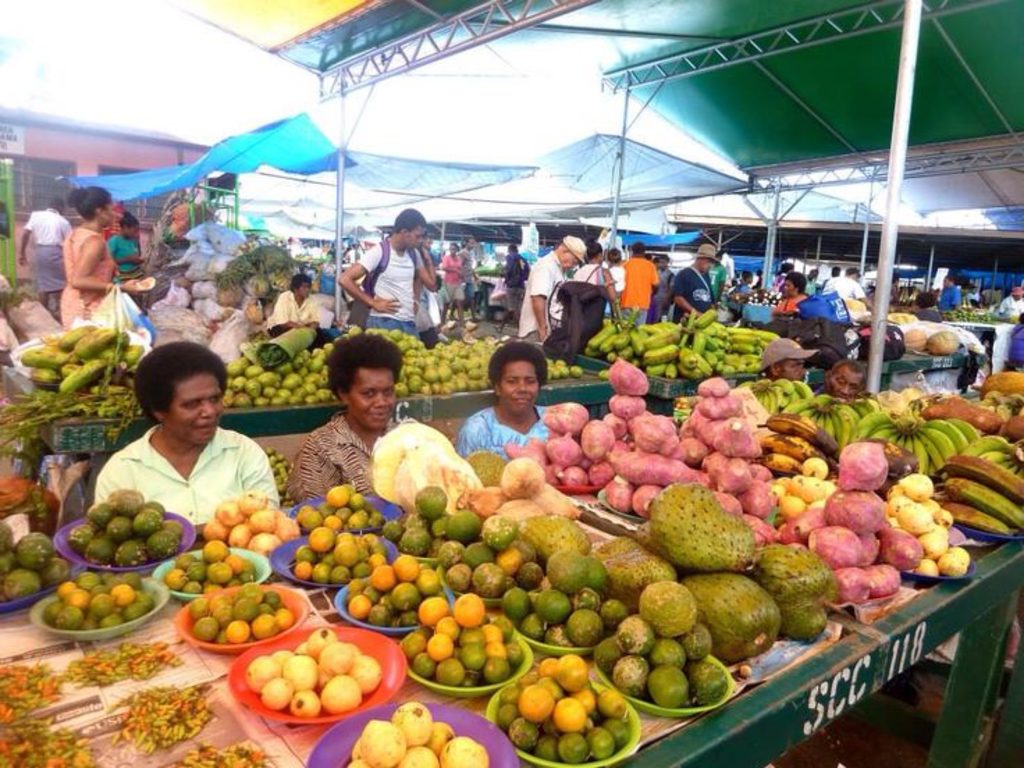
Bula vinaka everyone, buying more fresh food from the market is the wisest choice right now. After the budget discussions, fuel price concerns and rising household costs, perhaps it’s time to appreciate something we’ve always had, our local food.
Tavioka, dalo, rourou, ota, bele, kumala, chilies, lemons, fresh fish, uto, bananas and tropical fruits aren’t just part of us, they’re the most affordable and nutritious foods available. With imported goods becoming more expensive, one way or the other buying locally has never made more sense.
Every imported apple, orange, packet of frozen vegetables or processed snack has travelled thousands of kilometres before reaching supermarket shelves. Those transport costs eventually end up in consumers’ shopping baskets, and the food is not as fresh as what is available locally in our markets and roadside stalls.
Our locally grown food, reaches markets within a day or two of harvest.
Shopping locally can also stretch a family’s budget. A bundle of rourou or bele costs $2 to $3 far less than packaged salad greens that costs somewhere between $7 to $10 or more, while tavioka and dalo remain staple alternatives to imported rice or other processed foods.
Choosing local doesn’t mean sacrificing variety. Fiji’s cuisine reflects the country’s rich cultural heritage, blending Indigenous, Indo-Fijian, Chinese and European influences. From fresh fish and lovo to fish curry and roti, our everyday meals are proof that local ingredients create world-class dishes, more fresh and affordable.
Buying local food supports farmers, fishermen and market vendors who are navigating the same economic challenges as everyone else. Every dollar spent on local produce stays within Fiji’s economy, helping sustain rural livelihoods and strengthen food security.
Consumers can also reduce food waste by buying seasonal produce. Fruits and vegetables that are in season are generally fresher, more abundant and more affordable than imported alternatives. As households continue adjusting to the realities of the new Budget, one simple strategy stands out, fill your shopping bags with Fiji-grown food.
It’s often cheaper, healthier and fresher and every purchase supports our people and communities. In uncertain economic times, perhaps the smartest shopping decision isn’t finding the next big supermarket special.
It’s rediscovering the value that’s already growing in our own backyard.Healthline.com says buying and eating local food offers benefits that extend beyond the dinner table.
It supports healthier eating, strengthens local economies and reduces environmental impact, making it a smart choice for consumers and communities alike.
Fruits, vegetables and other products are harvested only a day or two before reaching the markets, allowing them to ripen naturally and develop better flavour.
Because they travel shorter distances, they spend less time in storage and generally arrive in better condition than imported produce.
Local food is always more nutritious.
Vitamins and antioxidants begin to decline once produce is harvested, particularly during transport and storage. Since locally grown food reaches consumers more quickly, it is more likely to retain its nutritional value.
Shopping at the market and buying directly from farmers also encourages shoppers to try seasonal and unique foods that may not be available in supermarkets.
It provides an opportunity to learn more about our farmers and develops a stronger connection and appreciation with our agriculture sector.
Choosing local food benefits the environment by reducing the need for long-distance transportation, which lowers greenhouse gas emissions and fuel consumption.
Many locally grown products are sold with little packaging, helping reduce plastic waste.
Supporting sustainable local farming helps protect farmland, biodiversity and natural ecosystems that come with economic benefits.
Money spent on local produce stays within the community, supporting farmers, creating jobs for labourers and strengthens businesses.
Buying directly from producers allows shoppers to appreciate the effort involved in growing local food.
Whether through farmers’ markets, roadside stalls or community supported agriculture programs, eating local is an easy way to enjoy fresher, healthier food.
Shop for more fresh food to improve your family’s dietary choices.
It is the wisest choice right now.
We did it during Covid-19.
Try it again!

