
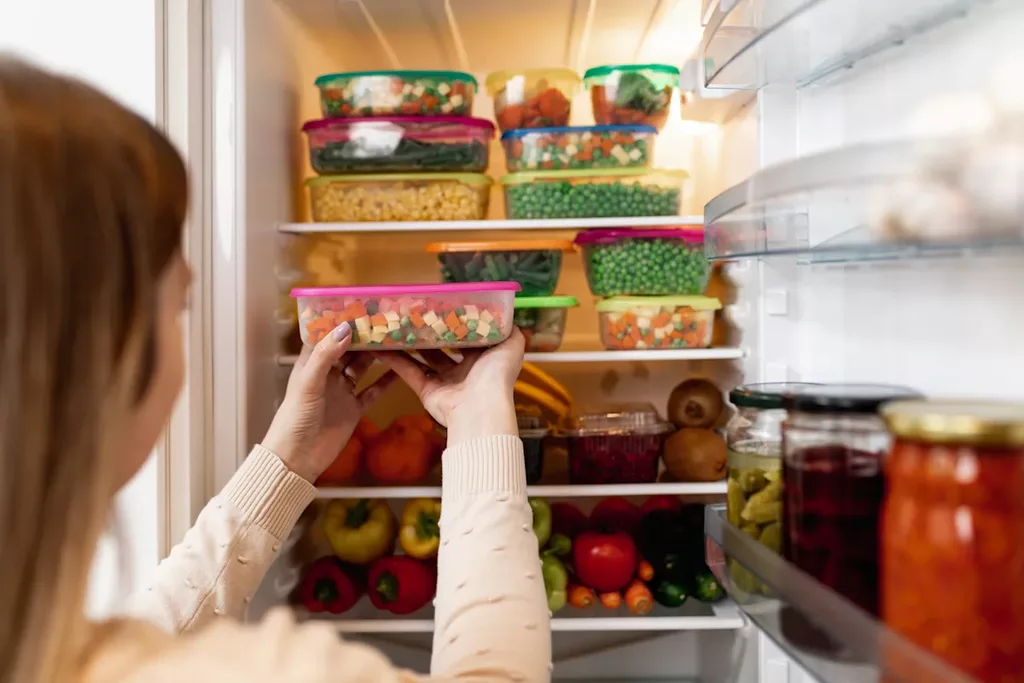
THERE’S nothing quite as frustrating as reaching into your refrigerator for fresh vegetables, only to discover that they have become wilted, soggy, or discoloured.
Accoding to smegshop.sg, for busy households, keeping produce fresh can feel like a constant challenge, especially in warm and humid climates where fruits and vegetables tend to spoil more quickly.
The good news is that with a few simple storage techniques, you can significantly extend the life of your fresh produce, reduce food waste, and get more value from every grocery trip.
Here are some practical tips to help keep your fruits, vegetables, and herbs fresh for longer.
1. Avoid washing produce before storage
While it may seem convenient to wash fruits and vegetables immediately after purchasing them, excess moisture can actually accelerate spoilage.
Water left on produce creates the perfect environment for bacteria and mould to grow, causing vegetables to wilt and rot faster.
Instead, store produce unwashed and rinse it only when you are ready to use it. This is particularly important for leafy greens such as lettuce, spinach, and kale, which are highly sensitive to moisture.
2. Make use of your fridge’s crisper drawers
Most refrigerators are equipped with crisper drawers designed to regulate humidity levels. Using these compartments correctly can help preserve freshness for a longer period.
High-humidity drawers are best suited for vegetables that lose moisture quickly, such as leafy greens, carrots, broccoli, and herbs. The higher humidity prevents them from drying out and becoming limp.
Low-humidity drawers work best for fruits and vegetables that produce ethylene gas, including apples, pears, and avocados. Since ethylene can accelerate the ripening process of nearby produce, separating these items helps reduce spoilage.
3. Store fruits and vegetables whole
Cutting fruits and vegetables ahead of time may save preparation time, but it significantly shortens their shelf life. Once produce is cut, its protective outer layer is removed, exposing it to air, moisture loss, and oxidation.
Whole fruits and vegetables retain their natural barriers, helping them stay fresh, crisp, and nutritious for much longer. Whenever possible, store produce whole and prepare it only when needed.
4. Choose paper over plastic
Plastic bags often trap moisture, creating condensation that encourages mould growth and spoilage. A better alternative is to use paper towels or breathable paper bags for storage.
For vegetables such as lettuce, herbs, broccoli, and celery, wrapping them loosely in paper towels helps absorb excess moisture while still allowing air circulation. This simple method can dramatically improve freshness and prevent sogginess.
5. Keep herbs hydrated
Fresh herbs are among the most delicate items in the kitchen and can wilt within days if stored incorrectly.
To keep herbs fresh, treat them like a bouquet of flowers.
Trim the ends of the stems and place them upright in a glass or bottle filled with a small amount of water. Cover the herbs loosely with a plastic bag and store them in the refrigerator. This method works particularly well for parsley, cilantro, mint, and dill.
By keeping herbs hydrated, you can extend their freshness for up to two weeks, ensuring they remain vibrant and flavourful.
6. Maintain the correct fridge temperature
Temperature plays a major role in preserving food quality. For optimal freshness, keep your refrigerator between 1°C and 4°C.
At this temperature range, bacterial growth slows significantly while preventing delicate produce from freezing. If your fridge is too warm, fruits and vegetables will spoil faster. If it is too cold, some items may suffer from chilling damage, affecting their texture and flavour.
Regularly checking your refrigerator settings can help create the ideal environment for fresh produce.
7. Keep your refrigerator clean
A clean refrigerator is essential for maintaining fresh produce. Food spills, crumbs, and decaying leftovers can harbour bacteria and mould, which may spread to fruits and vegetables stored nearby.
Make it a habit to wipe shelves regularly, clean crisper drawers, and remove spoiled food promptly.
Maintaining a hygienic refrigerator helps reduce contamination and provides a healthier storage environment for your produce.
8. Freeze excess produce
Sometimes it is impossible to use all your vegetables before they begin to spoil. Rather than throwing them away, consider freezing them.
Many vegetables freeze exceptionally well when blanched first. Blanching involves briefly boiling vegetables and then immediately cooling them in ice water. This process helps preserve their colour, texture, flavour, and nutritional value.
Once blanched, dry the vegetables thoroughly and store them in airtight freezer bags or containers. Frozen vegetables can last for several months and provide a convenient option for future meals.
How long do fruits, vegetables, and herbs last in the fridge?
While storage times vary depending on the type of produce, proper handling can significantly extend freshness. Here is a general guide:
Leafy greens
Lettuce, spinach, kale, and similar greens typically remain fresh for about five days when stored properly. Keep them dry and wrapped in paper towels to absorb excess moisture.
Cruciferous vegetables
Broccoli, cauliflower, and cabbage generally last around 7 days. Store them unwashed in the crisper drawer for best results.
Root vegetables
Carrots can remain fresh for several weeks when stored properly. Potatoes and onions are best kept in a cool, dark pantry rather than the refrigerator. Once peeled or cut, they should be refrigerated and used within a few days.
Hard Fruits
Apples and pears have a relatively long shelf life and can remain fresh for 3 to 4 weeks when refrigerated.
Berries
Strawberries, blueberries, raspberries, and blackberries are highly perishable and usually last only 2 to 5 days. Store them unwashed and wash them just before consumption.
Fresh herbs
Tender herbs such as parsley, cilantro, and basil can stay fresh for 1 to 2 weeks when stored in water. Hardier herbs like rosemary and thyme often last 2 to 3 weeks when wrapped in a paper towel and placed in a storage bag.
Final thoughts
Keeping fruits, vegetables, and herbs fresh doesn’t require expensive gadgets or complicated techniques.
By controlling moisture, maintaining proper fridge conditions, and storing produce correctly, you can extend shelf life, reduce food waste, and enjoy fresher ingredients every day.
Small changes in the way you store your groceries can make a significant difference, helping your family enjoy healthier meals while saving money in the long run.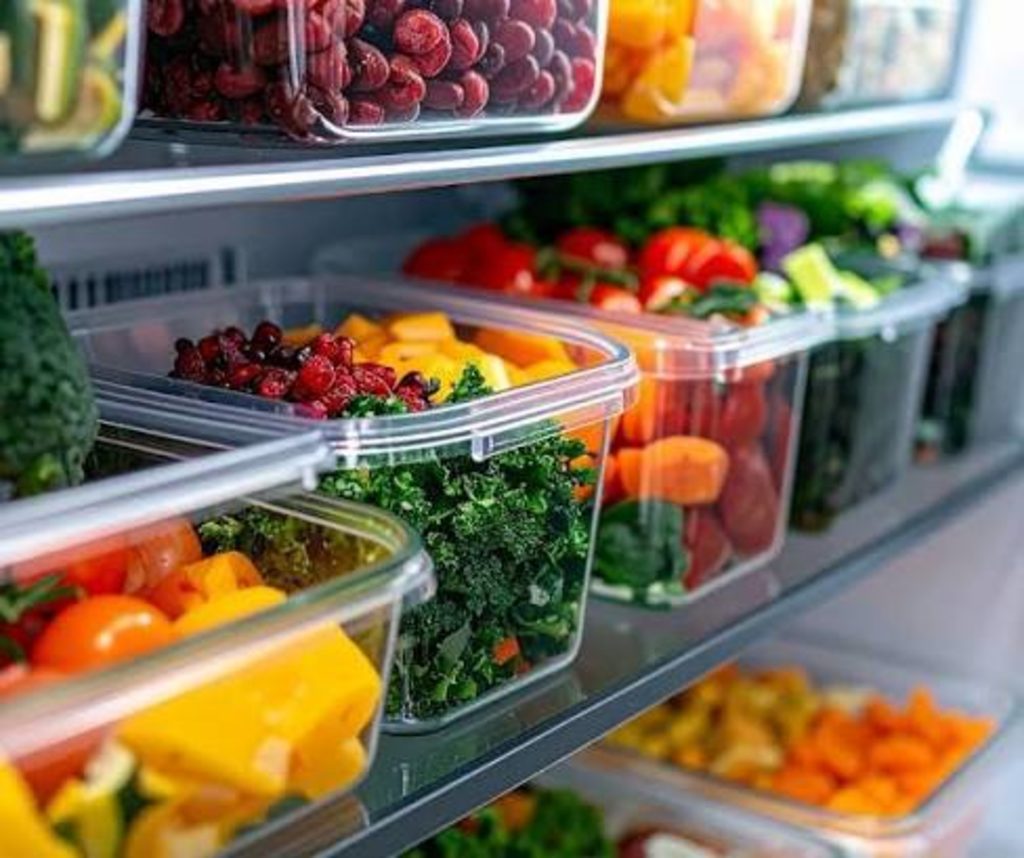
Start with smart planning and storage.Regularly checking your refrigerator settings can help create the ideal environment for fresh produce.
Pictures: GOOGLE

Where to store food in the fridge.
Picture: shutter.com

