
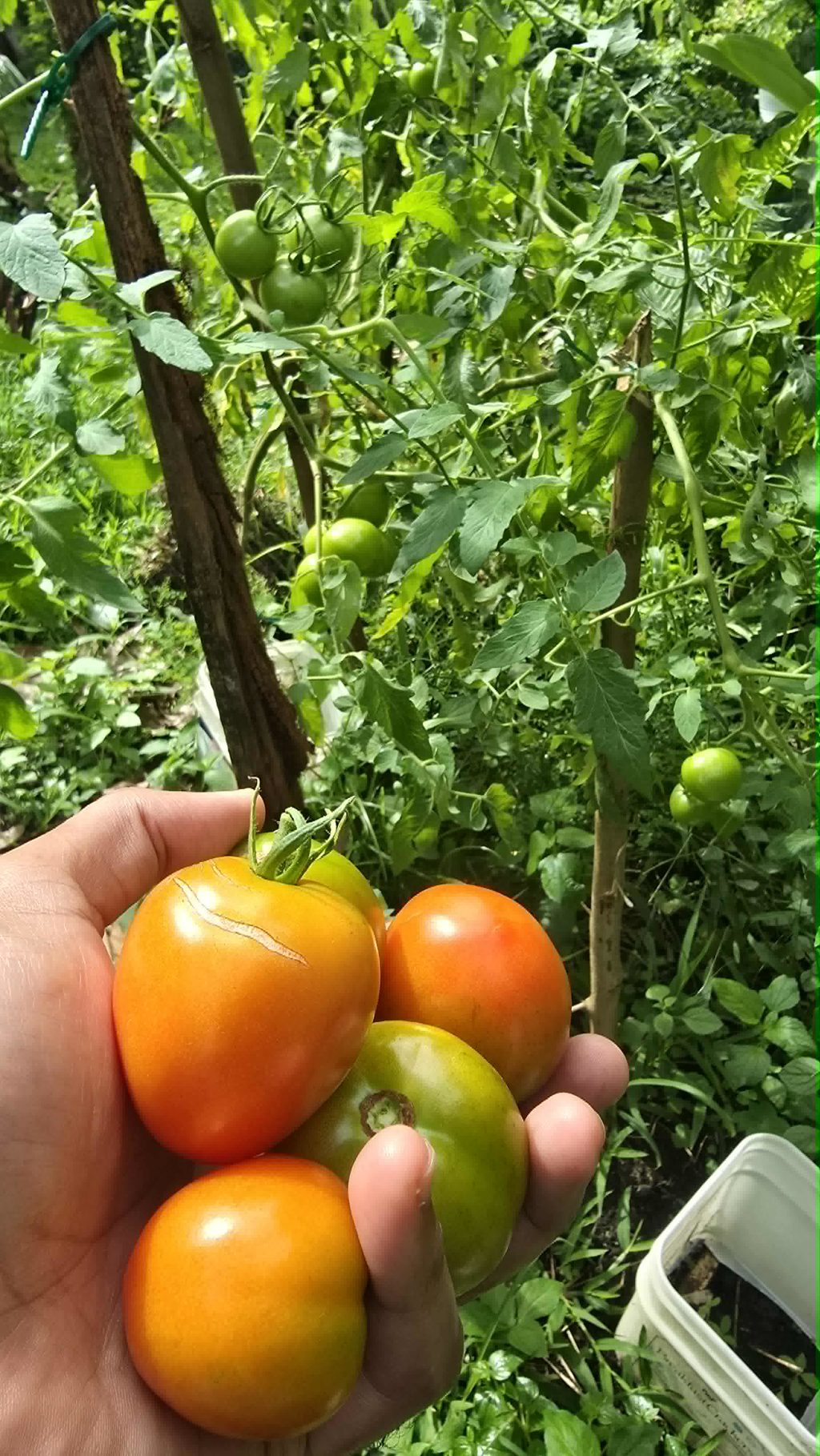
As grocery prices continue to climb, more people are looking for practical ways to reduce their food bills.
One option that is gaining popularity is growing food at home even in little spaces available.
While many assume gardening requires a large backyard, experts say even people living in apartments or homes with limited outdoor space can successfully grow herbs and vegetables.
With a few pots, some sunlight and a little patience, households can enjoy fresh produce while saving money and improving their wellbeing.
Even if you live in an apartment or are short on outdoor space, there are ways to grow your own food at home.
Planting herbs and vegetables on windowsills, indoors or on small balconies can be a cost-effective option, as well as benefit your wellbeing.
Here’s what the experts say are the best way to get started this winter according to reports on ABC’s Gardening/Lifestyle website.
What can you grow? The beauty about the plant world is if their basic requirements like light, water, and nutrients are met, herbs and vegies can grow almost anywhere, says Melbourne/Naarm-based horticulturalist Justin Calverley.
Justin Calverley says Asian greens and herbs are the easiest to grow for beginner gardeners.
While growing food indoors can be trickier due to varying amounts of light and different types of air, he says certain leaf vegetables and herbs are the easiest to raise.
“On a windowsill, if you keep it very simple, you could grow lettuces, because they have very small root systems that could fit in a baked bean tin,” he explains.
Other vegies and herbs Calverley recommends cultivating in an indoor environment are: Asian greens such as bok choy, coriander, parsley and dill.
Plants with small root systems like curly parsley are suited to growing in small spaces.
On a balcony or in other outdoor areas, winter vegetables like spinach, kale, peas, broccoli, tomatoes and cauliflowers are simple to grow in pots.
Longtime small space gardener Wendy Siu-Chew used to grow her own food on a rooftop balcony for almost a decade before moving to her new home.
She says growing plants suited to the “cut-and-come-again” harvesting method offer best returns.
Chew Lee says for beginner gardeners, greens and herbs offer the best bang for your buck.
Growing plants best suited to the “cut-and-come-again” harvesting method are a simple way to enjoy fresh food throughout the growing season without replanting, she explains.
“You plant one or two lettuces, and you just keep going back and pick leaves as you want and it keeps growing.”
Lettuce is an easy vegetable beginner gardeners can grow indoors and outdoors.
“Cut-and-come again” is a practice where you only harvest the outer mature leaves of a plant, like lettuce or dhania while not disturbing the new leaves and root systems.
The benefits of growing your own food
Cultivating your own herbs and vegies comes with multiple benefits for you, the environment and its sustainability of says Xiaoqi Feng, professor of urban health and environment at the University of New South Wales.
Feng highlights the mental and physical health benefits of growing your own food.
Growing food in an indoor or outdoor environment provides a microdose of nature, especially in built-up urban areas.
It can also improve your wellbeing. “We see that even small interactions with nature, like tending to herbs on a windowsill, can have a measurable benefit for mental and physical health,” she says.
“Watching something grow gives you a visible progress and is rewarding, it helps you to reduce stress and anxiety because it helps you create a sense of calm and routine.”
Growing food can support intergenerational bonding and social interaction.
Growing your own food also provides opportunities for social interaction, intergenerational bonding and reduced food waste, according to Feng.
She says cooking with herbs, for example, often only requires you to use a small amount, whereas store-bought bunches are large and often end up being wasted. “When you grow your own, you only harvest what you need, and it can sustainably grow back.”
Lee started her first balcony garden with repurposed polystyrene fruit boxes.
She shares some thrifty ways to begin your gardening journey.
“Repurposing containers is a great way to go,” she says.
Plastic pots at nurseries destined for recycling provide a free opportunity, according to her.
And if you are a beginner gardener, starting off with seedlings might be an easier option than seed raising.
Starting with seedlings can be an easier option for beginner gardeners.
Growing your own food may not replace every item on the shopping list, but it can help households cut costs, reduce food waste and enjoy fresher ingredients.
From herbs on a kitchen windowsill to vegetables in pots on a balcony, small-scale gardening offers both financial and health benefits. Experts say the key is to start small, choose crops you enjoy eating and build confidence over time. As living costs continue to rise, producing even a portion of your own food can be a rewarding step towards greater self-sufficiency.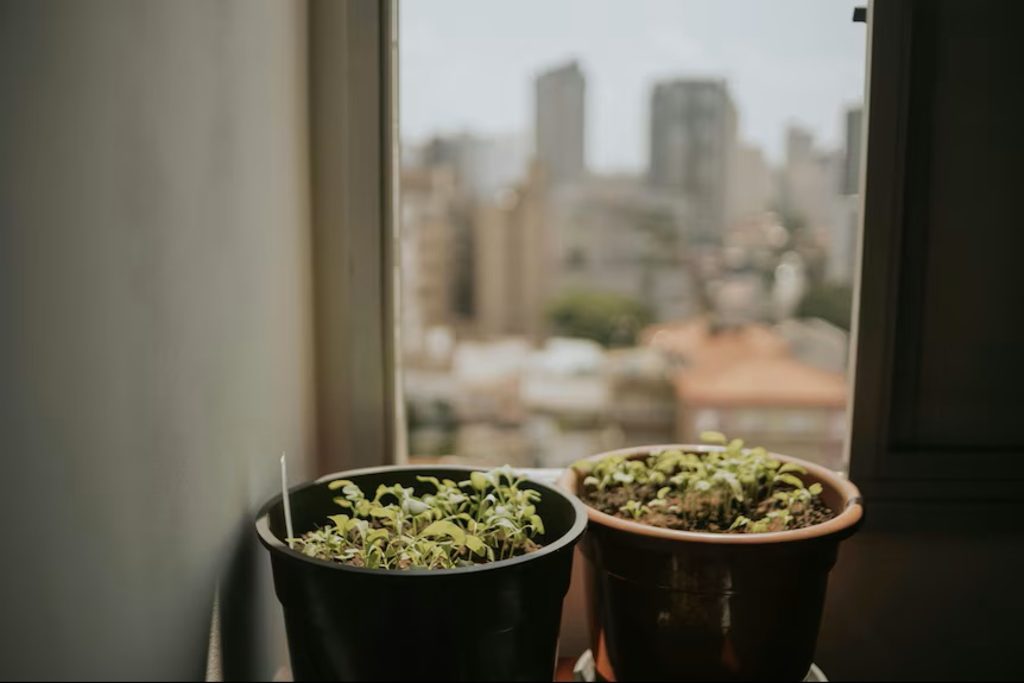
Justin Calverley says Asian greens and herbs are the easiest to grow for beginner gardeners. Picture:ABC News
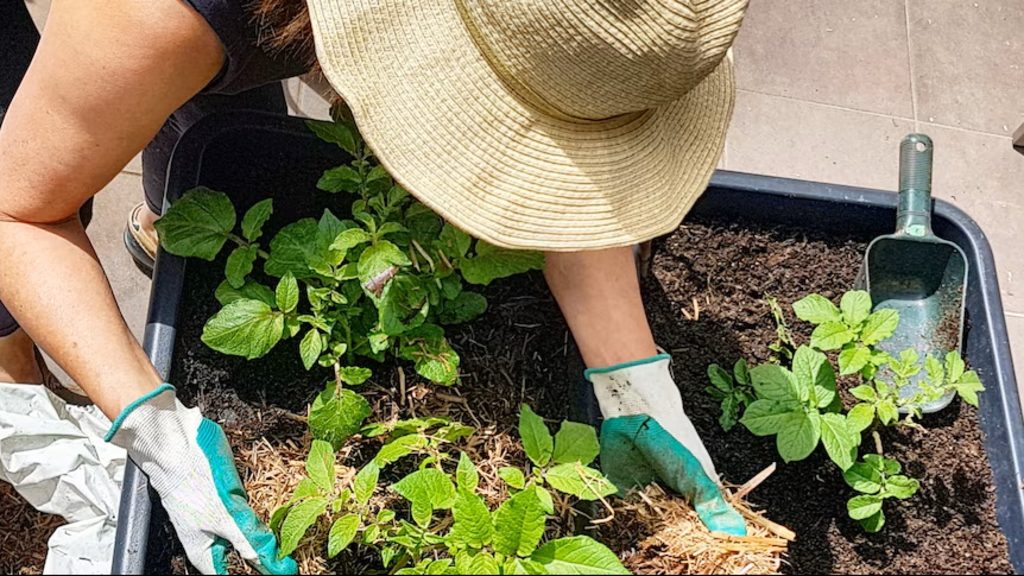
Cultivating your own herbs and vegies comes with multiple benefits for you, the environment and the sustainability of your living environment, says Xiaoqi Feng, professor of urban health and environment at the University of New South Wales.Picture: ABC NEWS

