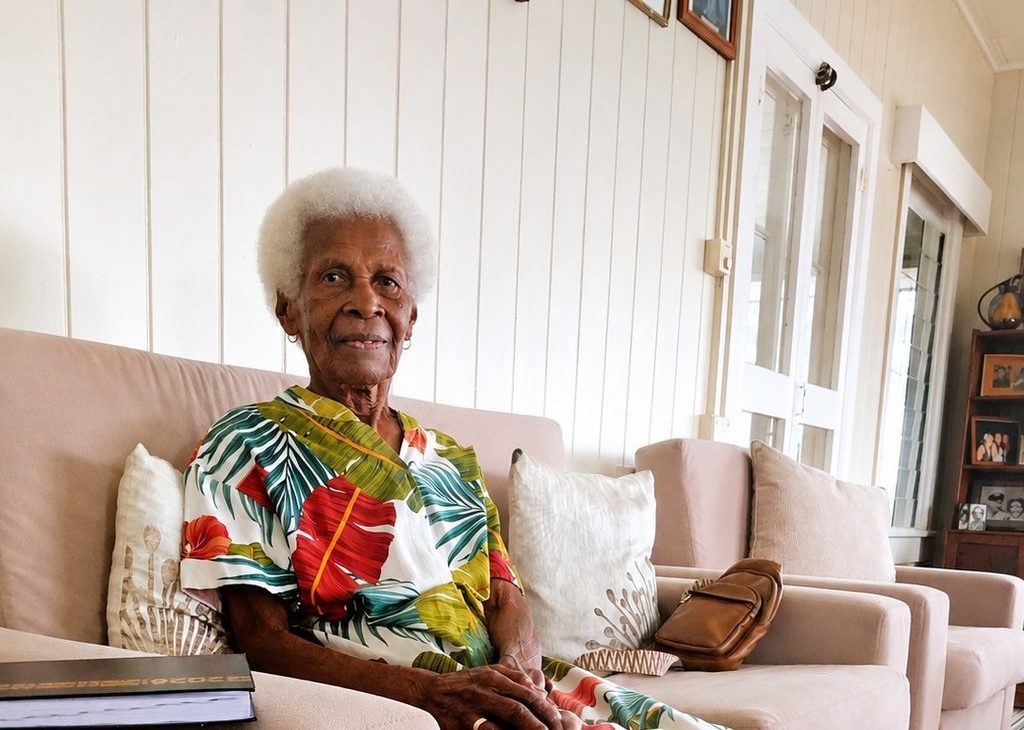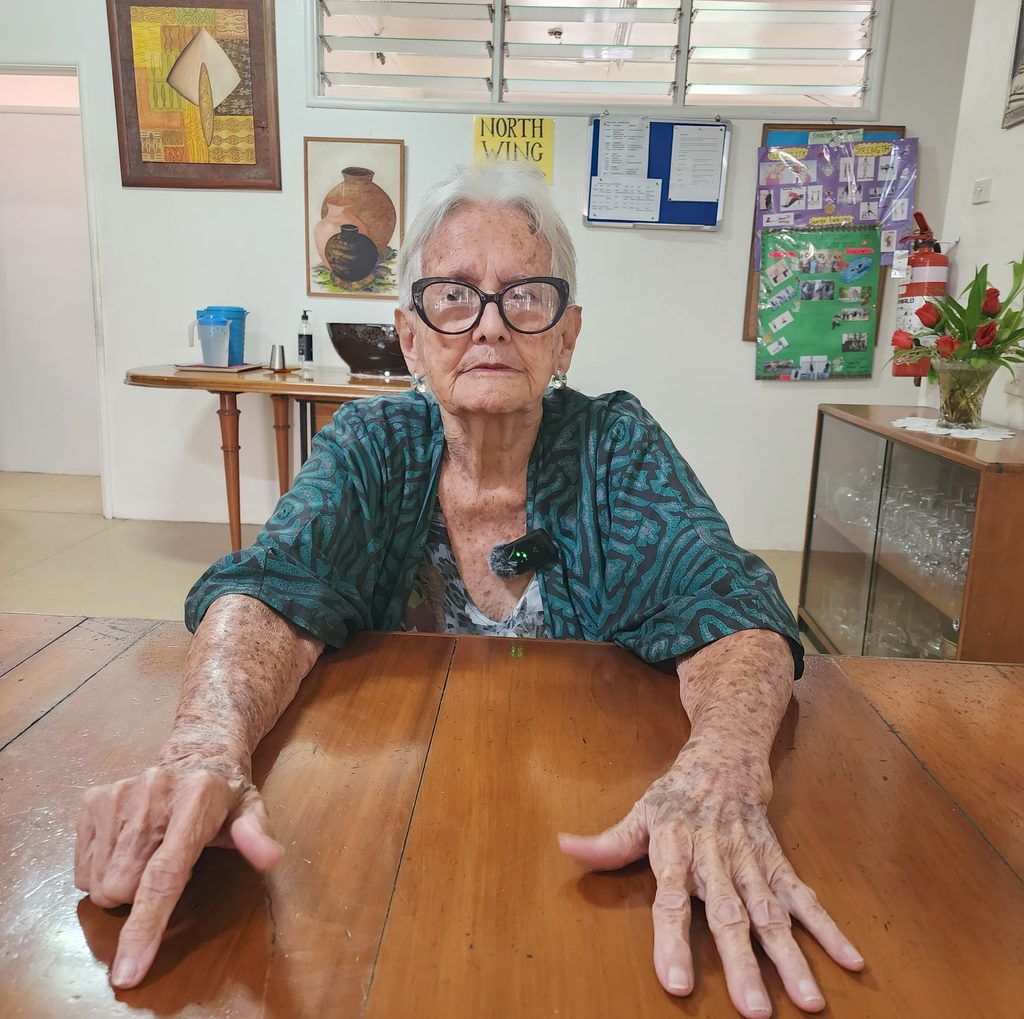
Every Hibiscus season, memories come flooding back for Liebling Elizabeth Marlow — the young woman who, 70 years ago, made history as the inaugural winner of the Hibiscus Festival.
As Fiji experiences another Hibiscus celebration this year, Liebling remains the only woman to hold the distinction of being the country’s first Hibiscus queen.
But when the 18-year-old from Draunibota, Lami, entered the competition in 1956, there was little indication that she was about to become part of Fiji’s history.
“I was a young girl from Draunibota, Lami, away from the glare of the city,” she recalled.
“So taking part in the competition was new and challenging.”
The inaugural festival was a far cry from the colourful spectacle Fijians know today.
There were no elaborate floats, grand opening ceremonies or glittering crowns. The competition was held over two nights at the old Suva Town Hall, with more than 20 contestants taking part.
“Our engagement was only for two evenings,” Liebling said.
“We were put into a truck and rushed to the Old Town Hall, which was hot and uncomfortable.”
Her preparations were equally humble.
Her mother, Faga Bentley, was behing her wardrobe.
“For the first night, I wanted a red bag but it was brown, so my father took it to the PWD depot to have it spray-painted red so it could match my shoes,” she recalled with a laugh.
The competition itself was basic by today’s standards, but for Liebling it was an unforgettable experience.
The contestants were transported to the crowded Suva Town Hall, where they waited nervously behind heavy curtains before appearing before the judges.
On the final night the heat inside the hall was intense. Liebling also had another concern — her dress.
A problem with the dress had been cleverly secured by her mother, but Liebling remained worried that it might come undone while she was on stage.
Then came the moment that would change her life.
When her name was announced as the winner, the young Liebling was overwhelmed.
Rather than confidently stepping forward to accept her title, she burst into tears.
“I just stood there and cried and cried. My father was so happy.”
There was no crown for the queen’s brow,
“I did not wear a crown, just a sash to say I was Miss Hibiscus,” she recalled.
Her prize included a return trip to Australia, which she took in 1957. But the excitement of her new title was soon overshadowed by tragedy when her father became ill and later passed away.
Liebling found herself helping to support her family, carrying responsibilities far beyond those normally associated with a young beauty queen.
Yet through the decades, the memories of that first Hibiscus Festival have remained close to her heart.
From the humble beginnings at the old Suva Town Hall to the grand celebration the festival has become today, Liebling has watched generations of queens carry the Hibiscus title and represent Fiji.
To this year’s contestants, she has a simple message.
“Enjoy yourself and have fun.”
And if one of them is fortunate enough to wear the crown, Liebling has another reminder:
“Remember, if you win the crown, you will have to take Fiji and its people with you everywhere you go. Do this with pride.”
Seventy years after a young girl from Draunibota was unexpectedly crowned Fiji’s first Hibiscus queen, Liebling Marlow’s legacy remains woven into the story of the festival.
Her crown may never have existed, but her place in Hibiscus history is forever.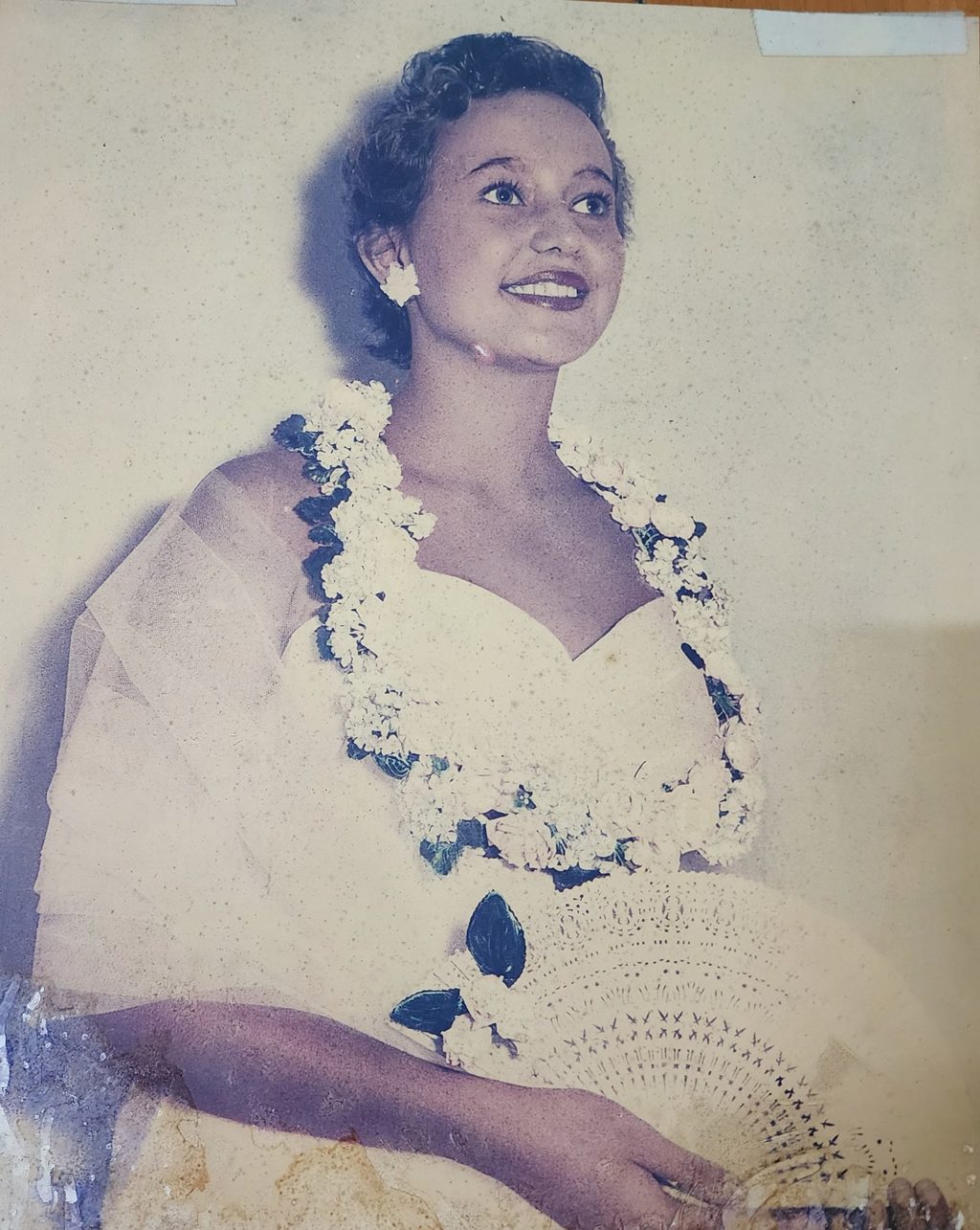
Liebling Marlow wins Miss Hibiscus 1956, Picture; SUPPLIED.