
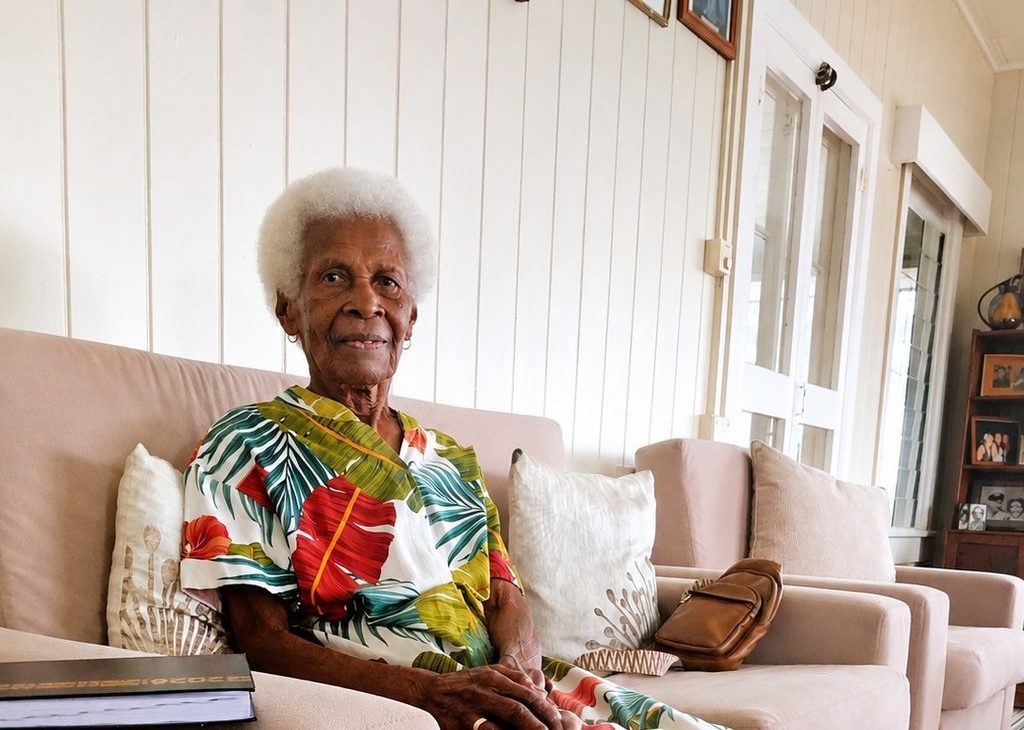
RUCI Vakabu’s story is one of the many untold stories of women whose lives were shaped by their work in the homes of expatriate families in Fiji.
Today, the 86-year-old lives in Deepwater Rd, Korovou in Talevu on a property once associated with the Gatward family and now owned by the Harness family.
She was born in Wailailai, a settlement on Ovalau, associated with the descendents of Solomon Islanders who was brought to Fiji by black birders.
Her father, Alopeti Gainagalo, came directly from Malaita in the Solomon Islands, while her mother was Ema Vakabu.
She grew up in a large family of 11 siblings — six girls and five boys.
Today, she is the only one alive.
As a young woman, Ruci began working as a domestic worker in Suva.
Her work taught her how to cook, clean, care for children and attend to the many responsibilities expected of a live-in domestic worker.
Ruci eventually began working for the Gatward family, a British family whose life in Fiji was closely connected to the cattle-farming industry. Then she worked for the Harness family when the ownership of the property changed hands.
“I have worked for the Harness family a long time, looking after the children from the time they were born until today. I have also looked after their own children,” she recalled.
The years she spent with the family meant she witnessed generations grow up around her.
The children she once cared for as babies eventually had children of their own. Ruci looked after them too and became everyone’s bu (grandmother).
Working inside the Gatward and Harness households exposed Ruci to a way of life that was different from her own.
The language, customs, clothing, routines and expectations of the families she worked for were not always the same as those she had grown up with.
For a young rural woman, adapting to those differences was part of the work.
When Ruci first began working, she was paid $30 a week.
Decades later, her relationship with the family had changed dramatically.
The Harness family, who later purchased the former Gatward property, did not want Ruci to leave when she became elderly. They wanted her to remain with them and become one of them.
“One thing I am very happy about is being able to remain here with these children,” Ruci said.
“They now regard me as their bu.”
Growing old in the home she served in, Ruci still helps around the property. Her responsibilities are lighter now. Age has slowed her down, and she knows she cannot do what she once did.
“Even now, I continue to help with the work, although these days I only do small tasks because I am elderly,” she said.
There is no dissatisfaction in her words. Instead, there is a sense of contentment in having reached old age surrounded by people she helped raise.
n This article was translated and edited from the story in the September magazine of Na iLalakai written by VILIAME RAVAI.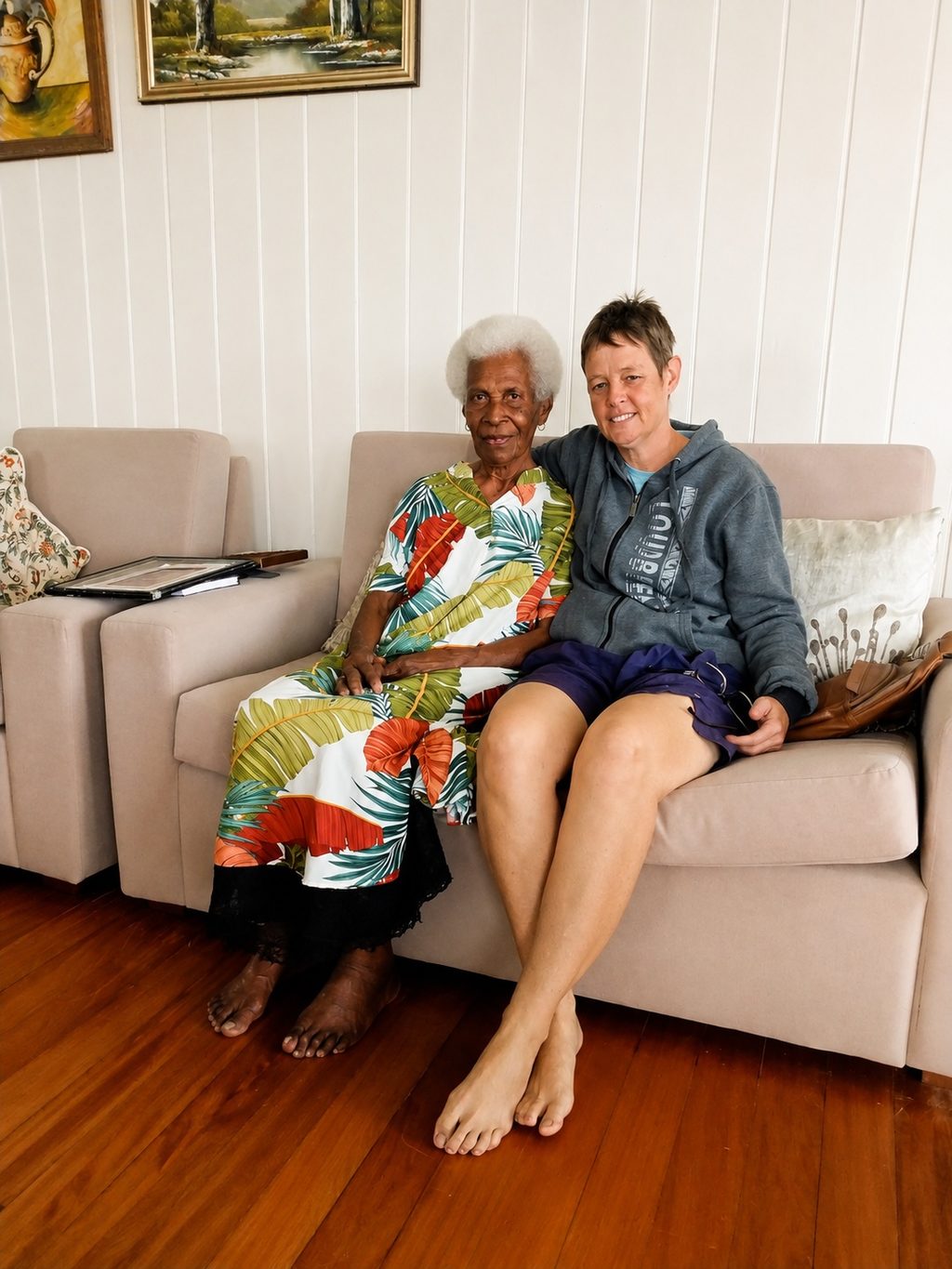
Julianne Harness and her bu, Ruci Vakabu, who looked after many Harness children and grandchildren. Picture: VILIAME RAVAI

