Books are precious. They need to be treated like a baby with love and care. That’s what the writer, an author of children’s books, would often tell children. Children simply weren’t receiving this message from school or anywhere else.
Reading development should have a holistic approach from learning the parts of a book: the front and back cover and the inside pages; where to start and finish as well as care and respect for books.
If a child trashes a book, it will be ready for the rubbish bin and other children will be deprived of it and too often the child is blamed; a loss all round.
A paramount aspect of book culture is respect for books and treating them with utmost care.
This is something fundamental yet sadly missing from our Fijian classrooms.
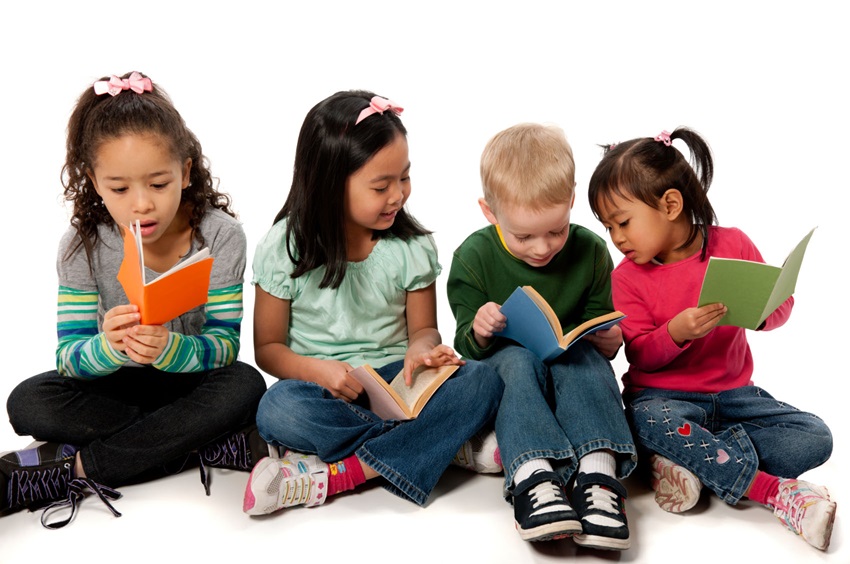
Books hold a certain magic for young readers.
They can tell stories that develop an imagination far beyond what simple words can convey.
Books develop reading skills invaluable for a lifetime of learning.
Our young children at kindergarten level are missing out on this joy and benefits of the opportunity to read a year earlier simply because teachers fear the damage that might be caused.
This fear can be overcome by demonstrating to young children how to care for books.
A family member came to visit from Australia. She and the author set ourselves a task to repair all the damaged prayer and hymn books of the church the author attended at the time.
The damage was not through wear and tear over the years as one might have thought, but rather through little hands.
The children would pay little attention to the service.
Their focus was on playing with the books their parents gave them during the service to keep them entertained and quiet.
The author thought she had solved this problem once and for all.
A letter was written to the Bible Society asking for book donations.
The Society generously provided a box of 50 books, all beautiful Bible stories.
These were subsequently given to the church which picked the eyes out of them, selecting the best books as prizes.
The books which remained were placed in a specially purchased woven basket.
Books were then offered to each child as they entered the church.
Most of the books were not returned after the service.
There was one consolation that came out of this.
At least they had some wholesome reading at home and that it might have included The Ten Commandments with special emphasis on the last one: “Thou shalt not steal”.
The author did a book reading at a local kindergarten of several books she had written.
At the end of the session the children were asked to put their hands up if they would like to read the books at home.
They all wanted to.
However, the kindergarten teacher was close by and whispered: “They are not allowed to take them home as they will damage them”.
There was a book donation project a few years ago where many boxes of educational books that came from overseas were distributed to schools around Fiji.
It sounded marvellous.
I asked the co-ordinator whether there was any feedback the organisation received to know of the effectiveness of the project.
She replied that there wasn’t.
What happened?
Many a teacher kept the books under their desks, still brand new and in their boxes to ensure they would not be damaged by the students.
If only teachers instilled in children an appreciation of books by including regular sessions about book management and care into their lessons then we may result in a generation of readers.
Doors might begin to open by trusting in children to take books home from school.
Presently children are only receiving limited opportunity while they are not taking books home to read.
Parents will benefit as well: they will be more actively engaged in their child’s school activities.
Few children are trusted with this responsibility.
It is a way that both teachers and parents can send a message to children about trust; a most important social skill.
Children will feel a sense of greatness when they can be trusted with something precious.
They can surprise us with their capabilities.
All that is needed is patience and trust and books, too, would be a good idea.
- JULIE SUTHERLAND is a local author and publisher, having written a number of educational books. She is also a full-time PhD Ed. student. The views expressed herein are the author’s and not of this newspaper.