
FIJI’S teacher shortage has deepened into a national crisis, with about 1000 vacancies across primary, secondary, early childhood, special and inclusive education, leaving schools struggling to replace staff and students missing valuable classroom time.
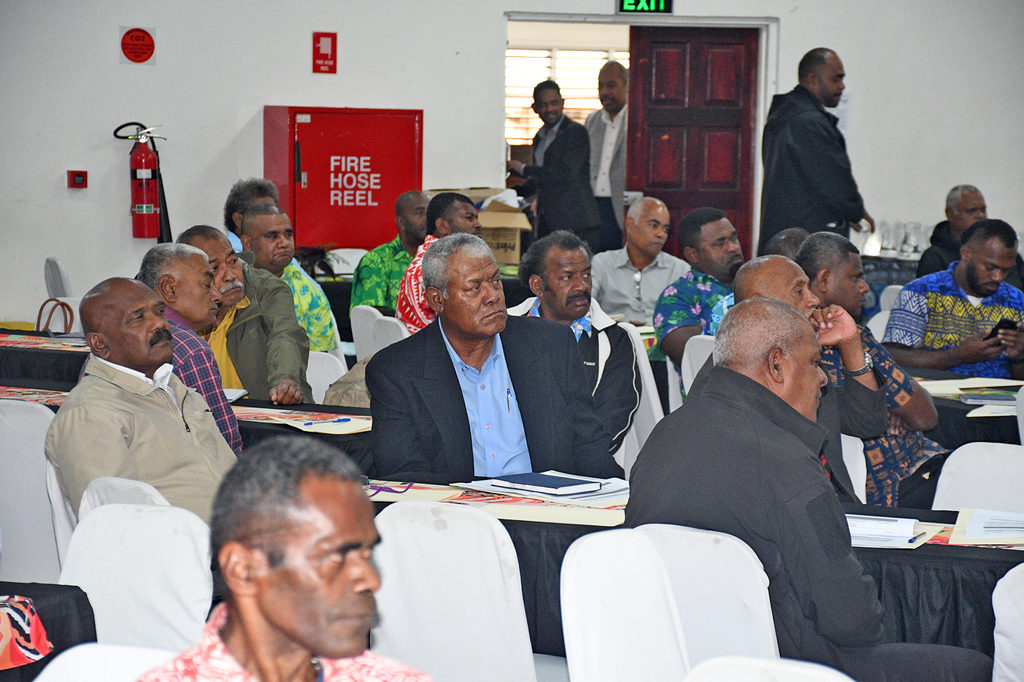
Speaking at the School Management Association of Fiji’s 11th National Conference in Suva yesterday, Fiji Teachers Union general secretary Muniappa Goundar said the shortage had persisted for the past three to four years as teachers resigned to join other professions or migrated to Australia and New Zealand for better opportunities.
“What they are doing is training our teachers here for export,” Mr Goundar said.
“That’s why we are having a shortage in the classroom.”
He said the crisis was compounded by about 600 secondary-trained graduates teaching in primary schools while being classified as unqualified teachers and paid less than graduate primary teachers despite performing the same duties.
“They must be paid the same graduate salary. That is one reason these teachers are going because the salary does not match the amount of work they do.”
He blamed poor salaries, heavy workloads, delayed salary payments for new graduates, limited career development and the absence of salary increases in the national budget for driving teachers out of the profession.
School Management Association of Fiji president Govind Singh said schools were waiting up to six months for replacement teachers, creating major disruptions to learning and exposing schools to occupational health and safety risks.
He said the delays were particularly damaging in primary schools, where one teacher was often responsible for an entire class.
“As soon as you see a teacher is without a class, it’s an occupational health and safety matter,” he said, urging Government to establish a reserve pool of teachers in every division to quickly fill vacancies and unexpected absences.
Ministry of Education deputy secretary Timoci Bure acknowledged the challenge, saying most schools exceeded the recommended 1:35 teacher-student ratio, with overcrowded classrooms placing further pressure on an already stretched teaching workforce.

