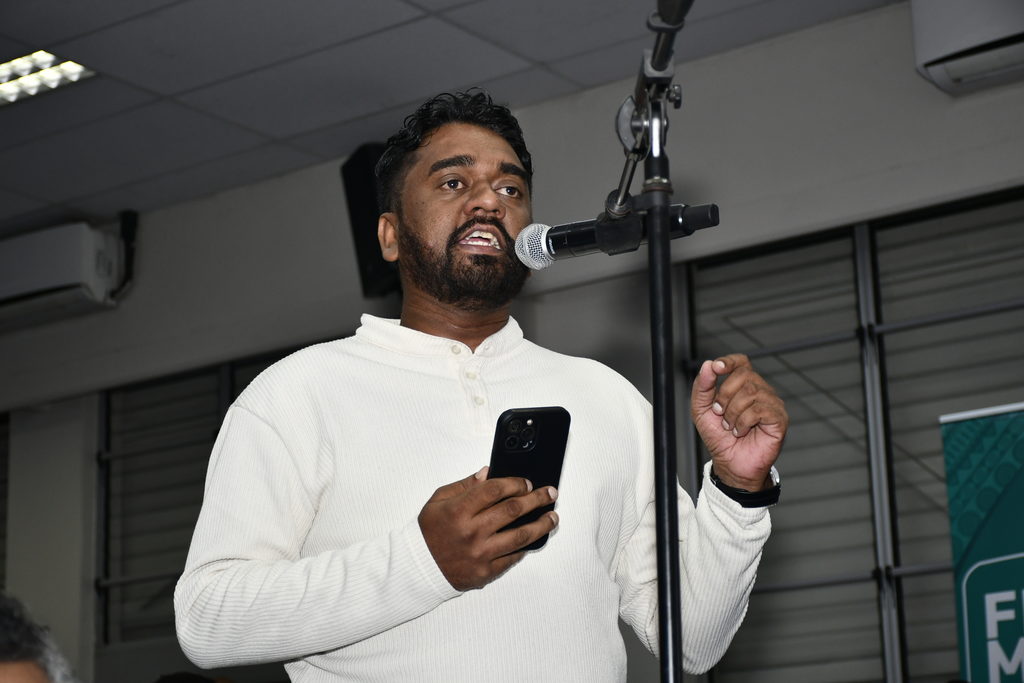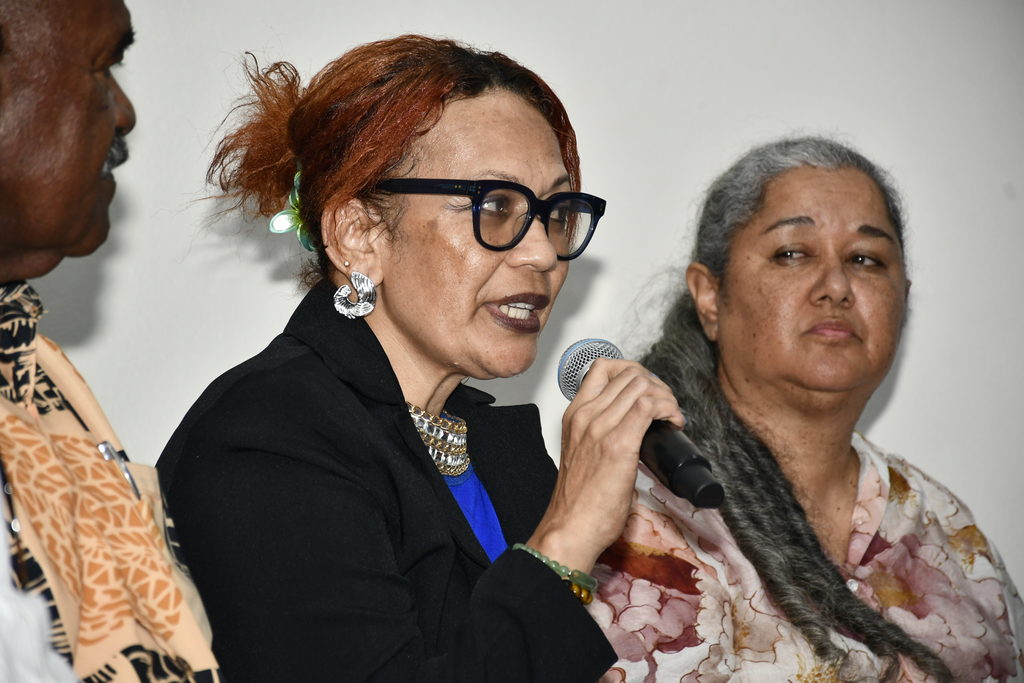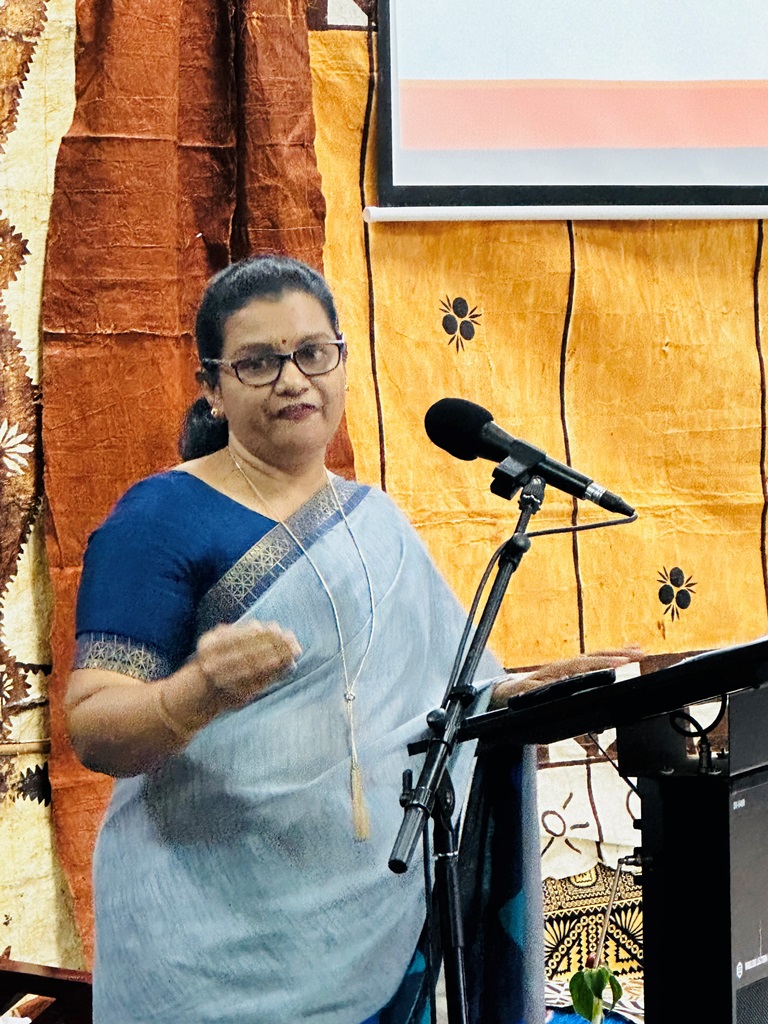
“If we want transformative change, we need to talk together, we need to walk together and we need to know the indigenous worldviews and the worldview of others who are not natives,” urged Runaaz Sharma, a lecturer from the Fiji National University (FNU).
Ms Sharma made the comments while introducing her presentation with Dr Subashni Kumar, also of FNU, titled “Coconut, Climate Change, and Sustainability-Hindu Mythological Perspective”.
They were at the Vakatabu: Ask for the Ancient Paths and Walk in it conference.
The FNU lecturers presented Hindu principles and spiritualities including that of Dharma and Kharma that draws parallels and is aligned with the values of other indigenous communities like Samoa, Hawaii, Fiji and Solomon Islands.
Dr Kumar said diasporic Indians are the second major ethnic group in Fiji who follow Hinduism therefore the importance of also considering the Hindu worldview in transformative change.
“Braham compromises living and non-living and we believe that all things in the Braham has a soul or atman,” said Dr Kumar.
“We also consider the coconut as a sacred fruit and use it in our prayers. The breaking of the coconut is symbolic for shedding one’s ego and to realise our inner energy and to get rid of ignorance.”
She also related the myth of Trishanku who became the coconut tree in Hindu mythology, suspended between heaven and earth.
Ms Sharma further explained like the myth of Trishanku who existed in a suspended state, so does Fiji and Pacific islands countries hang in limbo, or a state of confusion, torn between ideas and places.
“Our colonial history positions us between the traditional/indigenous worldview (what we want) versus the Western worldview. We aspire to be there or embrace our culture but difficult given the reality of our post-coloniality.
“We want to be connected to the bigger countries yet we are torn between our indigenous and western practice.
“We are one with the Braham our universe and if we stay connected to our nature than the nature will respond and the effects will be good.”
Ms Sharma added a potential solution would be including the support of Western culture while ensuring our voices as indigenous communities are not heard from the margin.
“We need the northern powers but we need to develop our kind of resilience that will reduce the Western hegemony on those Pacific focussed sustainable development projects.”