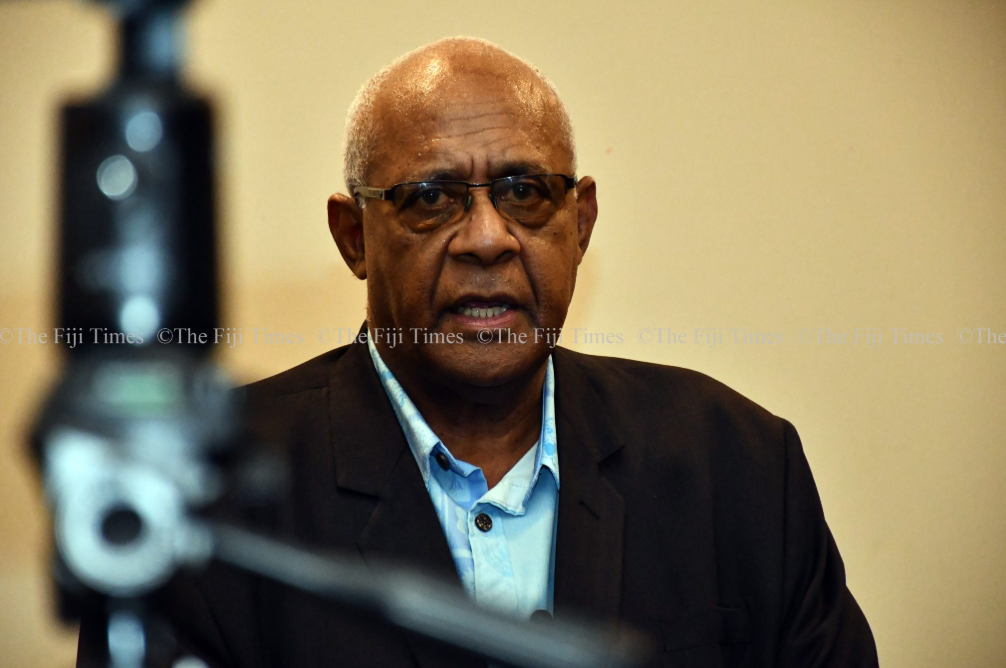
Bose Levu Vakaturaga chairman Ratu Viliame Seruvakula has defended Fiji’s constitutional review against claims it is being rushed, insisting the process has undergone parliamentary debate, Supreme Court scrutiny and public consultation as the country heads towards the 2026 General Election.
In a statement, Ratu Viliame said the proposed changes to Fiji’s supreme law had not been rushed, urging Fijians to look beyond political disagreements and consider the implications of constitutional reform for democracy, governance and national unity ahead of the 2026 General Election.
“This process did not begin overnight, nor has it been rushed,” he said.
Ratu Viliame pointed to Government’s first attempt to amend the constitutional amendment process in Parliament in March 2025, when the Bill failed to secure the required three-quarter majority. The proposal received 40 votes in favour and 14 against, falling one vote short of the threshold.
He said Government subsequently sought legal clarity from the Supreme Court, which delivered its advisory opinion in August 2025, before an independent Constitution Review Commission was established to provide another avenue for public participation.
Ratu Viliame argued that the sequence of parliamentary debate, judicial consideration and public consultation demonstrated that the review had proceeded through established channels rather than being imposed without scrutiny.
The review, he said, raised fundamental questions about Fiji’s future, including governance, political representation, fundamental rights, accountability, indigenous interests and the structure of the State.
He maintained that any constitutional changes must be supported by legality, meaningful public participation and respect for democratic principles.
“A constitution belongs to the people. Therefore, any discussion concerning its future must allow the people to be informed, consulted and heard.”
He warned against allowing constitutional discussions to divide the nation, saying the process should instead strengthen democracy and ensure the supreme law reflected the aspirations of present and future generations.