FAMILIES displaced by climate disasters in the Northern Division have spent up to five years living in crowded homes and makeshift shelters as they wait to return to a sense of normalcy.
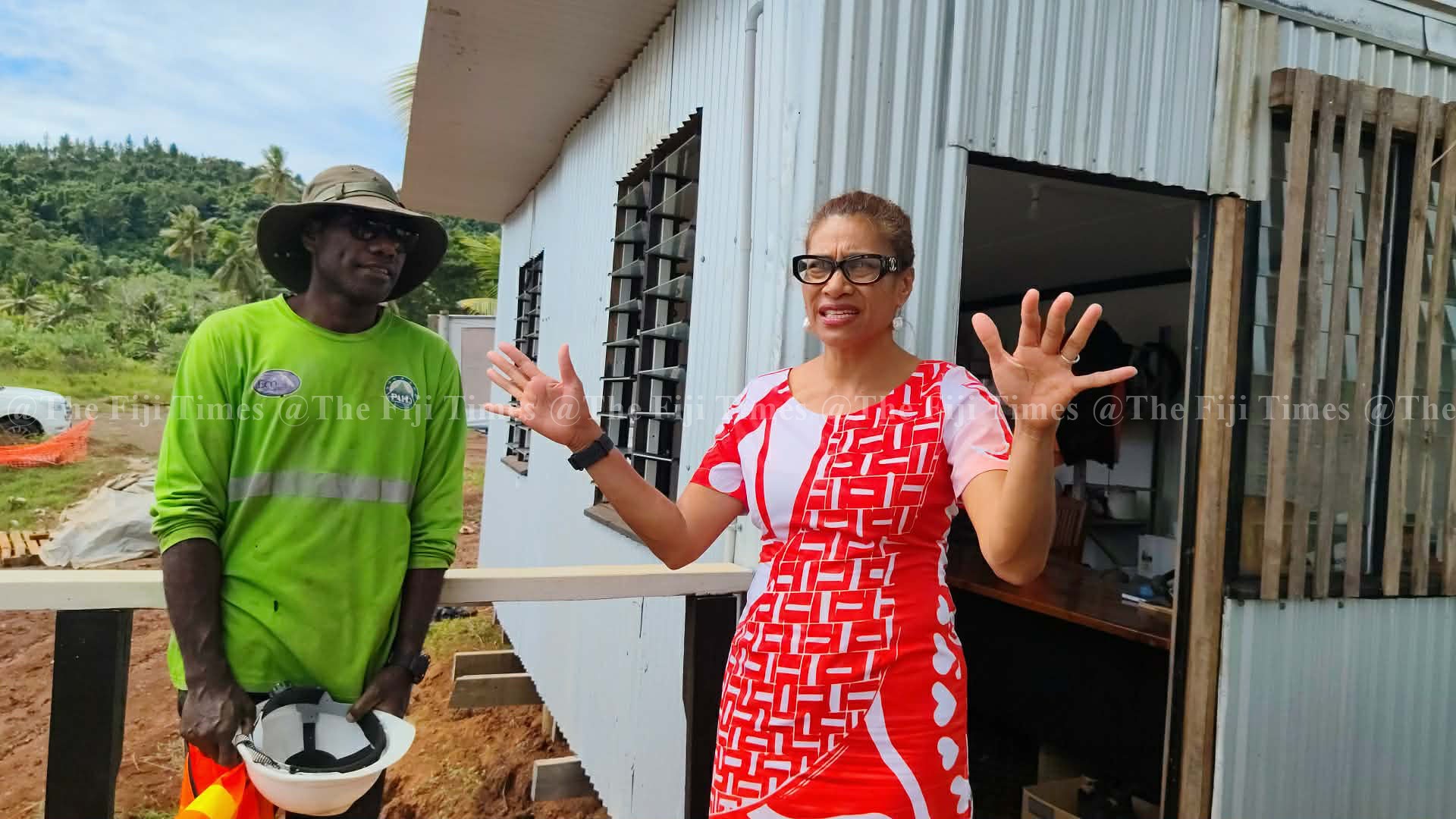
Environment Minister Lynda Tabuya said the reality faced by villagers in climate-affected communities such as Nabavatu and Cogea was heartbreaking, with some families still displaced years after their homes were destroyed.
“Imagine your house being swept away and having to live in someone else’s home, crowded together with three or four families under one roof, or even living in tents for years,” she said.
Ms Tabuya said some villagers had endured this hardship for about five years while waiting for permanent homes.
“You could see from spending time with them how much they wanted to do something about what their village had experienced.”
Her comments followed her visits to the two villages in Macuata and Bua.
“Their village had effectively been swept away. Homes were destroyed, and families displaced.”
She said Government was committed to completing the Nabavatu relocation project by October through the Climate Relocation of Communities Trust Fund.
For Cogea, she said, villagers themselves had stepped up to help rebuild, with youth from affected communities spending years constructing homes.
“They are currently working on three more homes and still have many more to complete.
“A home means security. When people have a roof over their heads, everything else becomes easier.”
While relocation efforts took time, she said, communities facing the impacts of climate change could not afford further delays.
“Many communities still require relocation, but Government continues to prioritise based on need.”
She said worsening weather patterns continued to test homes, roads, schools and health facilities across the country, making climate resilience a pressing issue.