
IT is three weeks since super storm Severe Tropical Cyclone Yasa devastated large areas of the North, yet people affected on Taveuni are still in the dark as to what assistance if any, they will get from the Government.
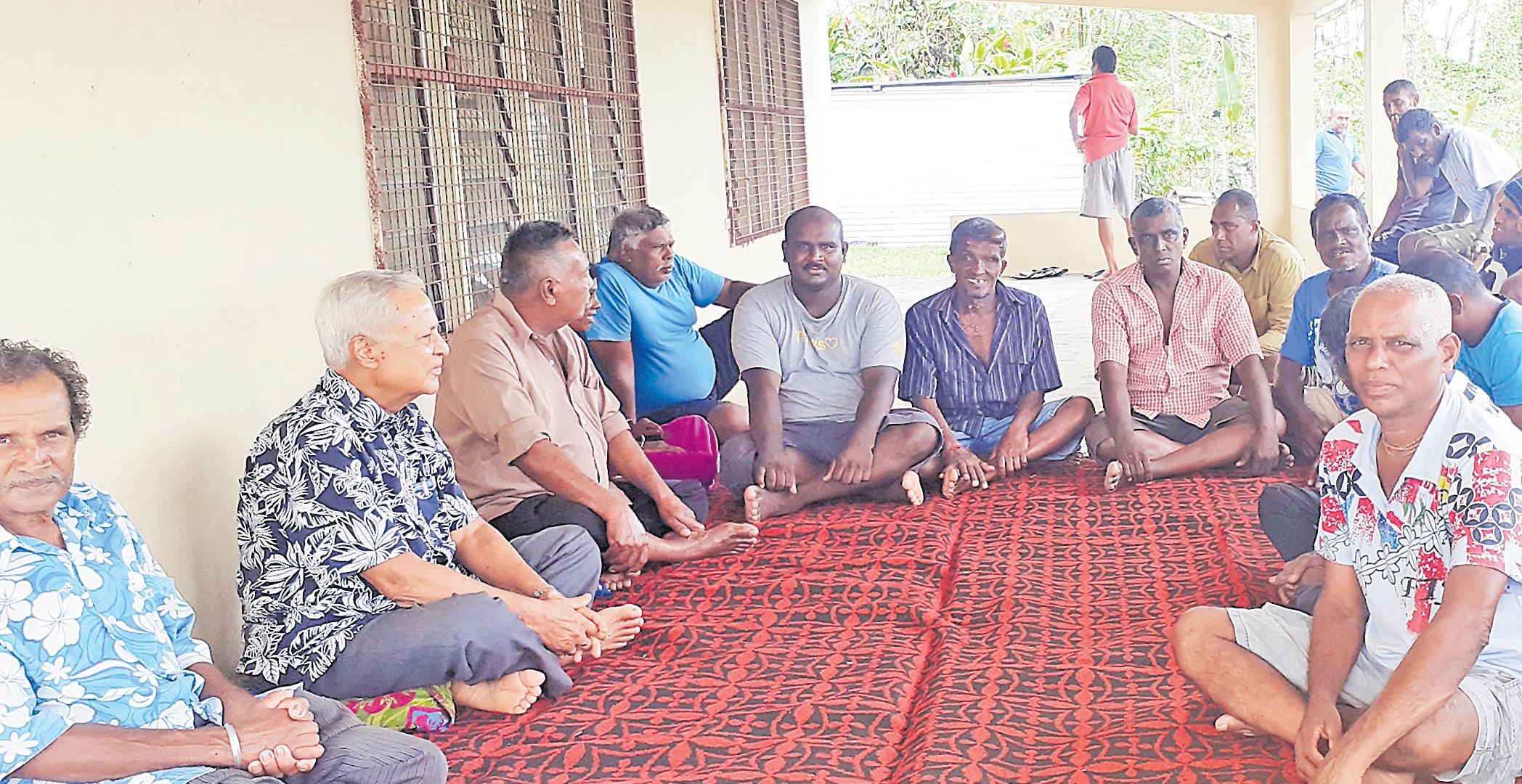
In the past couple of days, I have visited Qarawalu and Delaivuna in the south and then travelled north to visit the farming community in Qila and the Matei area, near the airport.
People in all these areas have told me that they have received no rations or assistance from the State to date.
Some officials did visit, asked questions, made notes and left.
Since then there has been no official communication from the government.
I have been told that the district officer on Taveuni had still not visited a number of these affected areas.
People here desperately need government assistance to rebuild their lives and rehabilitate crops damaged by the cyclone.
Crop damage on Taveuni
Crop damage in the southern and northern areas of Taveuni is fairly substantial.
Farmers here are depended on taro and yaqona farming for their source of livelihood.
Fortunately, they suffered little damage to their homes.
Only in Matei in the north, the area near the airport, have houses been badly damaged.
Some 35-40 homes have sustained structural damage, either partially or substantially.
Both at Qila in the north and Qarawalu and Delaivuna in the south, the yaqona and taro crops have taken a bashing from the cyclone.
Preliminary estimates from farmers I visited, show they have lost between 30-40 per cent of their season’s crop.
There are three categories of farms – big, small and then there are those who set up farms recently, driven here to engage in farming due to the impact of the COVID-19 crisis.
The larger farms can generally manage on their own with a bit of State assistance.
The small and new farmers, however, need substantial government assistance to get back on their feet.
One farmer who moved here from Suva had set up farming recently.
He said he lost 1000 dalo suckers in the storm.
He had invested most of his savings into his farm and now he has lost everything.
Such people are desperate to know what sort of assistance they can get from the government.
Why is the State taking so long?
One wonders why the State is taking so long to announce its assistance package?
We understand damage from the cyclone has been catastrophic – I believe an initial estimate puts it at $109 million, with about 93,000 people affected.
But devastation was worse after STC Winston in 2016.
Vast areas of the coastal region from Ba to Nausori had taken a battering from Winston and destruction to homes, schools, farms and properties had been widespread and substantial.
Yet government had not taken long to announce an assistance formula through its Help for Homes and Help for Farms scheme.
These guidelines are still there – all it needs is to have it activated, with perhaps better streamlining.
Why is this not being done?
Why are the victims of cyclones put through even more torture not knowing whether government will come to their assistance in rebuilding their lives and homes?
And if it will, what form will this assistance take?
It must be noted that most of those affected are farmers and villagers from the rural community – many of whom live at the subsistence level with little or no source of income.
Commercial farmers have had their crops substantially destroyed.
A few have suffered damage to homes, household goods and personal belongings.
They lack the financial means to rebuild their lives and incomes.
At times of disaster, natural or otherwise, people look to the government for help and it is government’s bounden duty to provide this assistance.
The FijiFiji government’s continuing silence in this regard smacks of insensitivity to the plight of the victims of STC Yasa.
All Government is doing is to distribute meager rations supplied by donor corporate organisations within Fiji or those received from friendly countries.
Individuals and NGOs have also made a substantial effort to provide immediate relief and we thank them for this humanitarian initiative.
Cane farms in and around the Labasa area have sustained severe damage.
Farmers in the floodgate areas comprising Wailevu flats, Tabucola-Tiri, Qalewaqa, Soasoa, Vunika, Naqiqi and Korovatu flats, and Bucaisau claim to have lost about 80-90 per cent of the season’s
crop through storm surge.
They supply some 25 per cent of all cane at the Labasa mill.
These farmers are anxiously waiting to see what assistance government will give them.
They need a substantial crop rehabilitation scheme to recover from the disaster.
Taro and yaqona farmers on Taveuni need assistance with replanting, fertilisers and pesticides to start all over again.
Families whose homes have been destroyed on Taveuni are at a distinct disadvantage because they have no means of accessing building materials on the island to rebuild homes.
Because they are not available on Taveuni they will have to travel to Labasa to get their supplies.
As it is, poverty is reportedly quite high in the rural areas – as much as 40 per cent or more in pockets around the country with the North being the worst.
Lack of State assistance will not only send more of our rural families into the poverty net, it will also affect national economic recovery.
Government must give urgency to any relief package it intends to offer.
If not, it must say outright that there will be no State rehabilitation package.
People need to know where they stand.
Taveuni’s roads and water problems
The roads on Taveuni are in an absolutely shocking state of disrepair, adding to the problems of farmers there.
The drive down to the south of the island is actually quite dangerous because of the pathetic condition of the main road.
Likewise, farm roads in the north are also pretty bad.
FRA has contracted the road maintenance project to a local contractor, but by all indications, no maintenance is taking place.
Water has become a become a perennial problem for residents in the south.
The desalination plant works on a “on and off” basis.
The water from the plant cannot be used for drinking or cooking purposes.
Residents were promised water tanks, but these have so far not eventuated.
Lack of respect for religious rights
Finally, I wish to raise issue with the shocking lack of respect shown by the authorities to the religious sensitivities of a community in Delaivuna, Taveuni.
A Hindu temple was forced to open its doors to evacuees even when the priests complained that people were cooking meat on temple premises.
They suggested instead that the nearby school be used as an evacuation centre.
I call on the authorities to show respect for the rights and religious beliefs of other communities even in times of emergency.
* MAHENDRA CHAUDHRY is the former prime minister of Fiji, Fiji Labour Party leader and also general secretary of the National Farmers Union. The views expressed are his own and do not necessarily reflect the views of this newspaper.

