
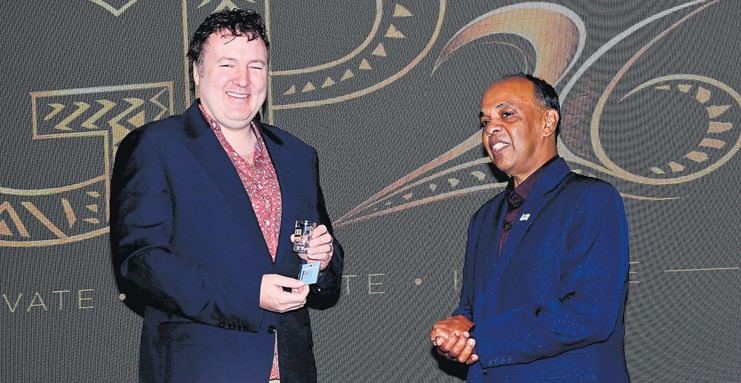
Despite Fijian general practitioners having stronger procedural skills than many GPs abroad, a lack of funding for training, equipment and pathology support continues to hold them back.
North Queensland Skin Centre clinical director Adjunct Professor Jeremy Hudson said Fiji’s GPs already had a strong base to build from, particularly because many had been trained and mentored in challenging conditions.
“I think the huge strength of the Fiji GPs is that they are wonderful at procedural skills,” he said.
“In fact, I think they’re better than most Australian GPs in that regard.”
Prof Hudson said this gave Fiji an advantage in areas such as dermatology, skin checks and minor procedures, but the system needed proper support to help doctors expand those services safely.
He said one of the main challenges was access to equipment such as dermatoscopes, as well as the capacity of pathology services.
“The bottlenecks, the challenges, would probably be lack of funding for equipment, such as dermatoscope, and also the pathology services as well.”
He said when doctors began doing more skin work, they were also likely to detect more cases that required pathology testing.
Because of this, he said the health system needed to be able to keep up with any increase in referrals and testing.
“So the next step should be to identify what Fijian doctors and communities needed most.
“This could include training GPs to use dermatology equipment, diagnose common skin conditions and perform basic procedures such as biopsies or removing skin lesions.”
He said the key was ensuring doctors were supported to carry out those procedures safely and effectively.
Prof Hudson said a systematic review would help identify the gaps in training and education, and where support should be focused.
However, he said Fiji’s existing GP skill base meant such training could be delivered well.

