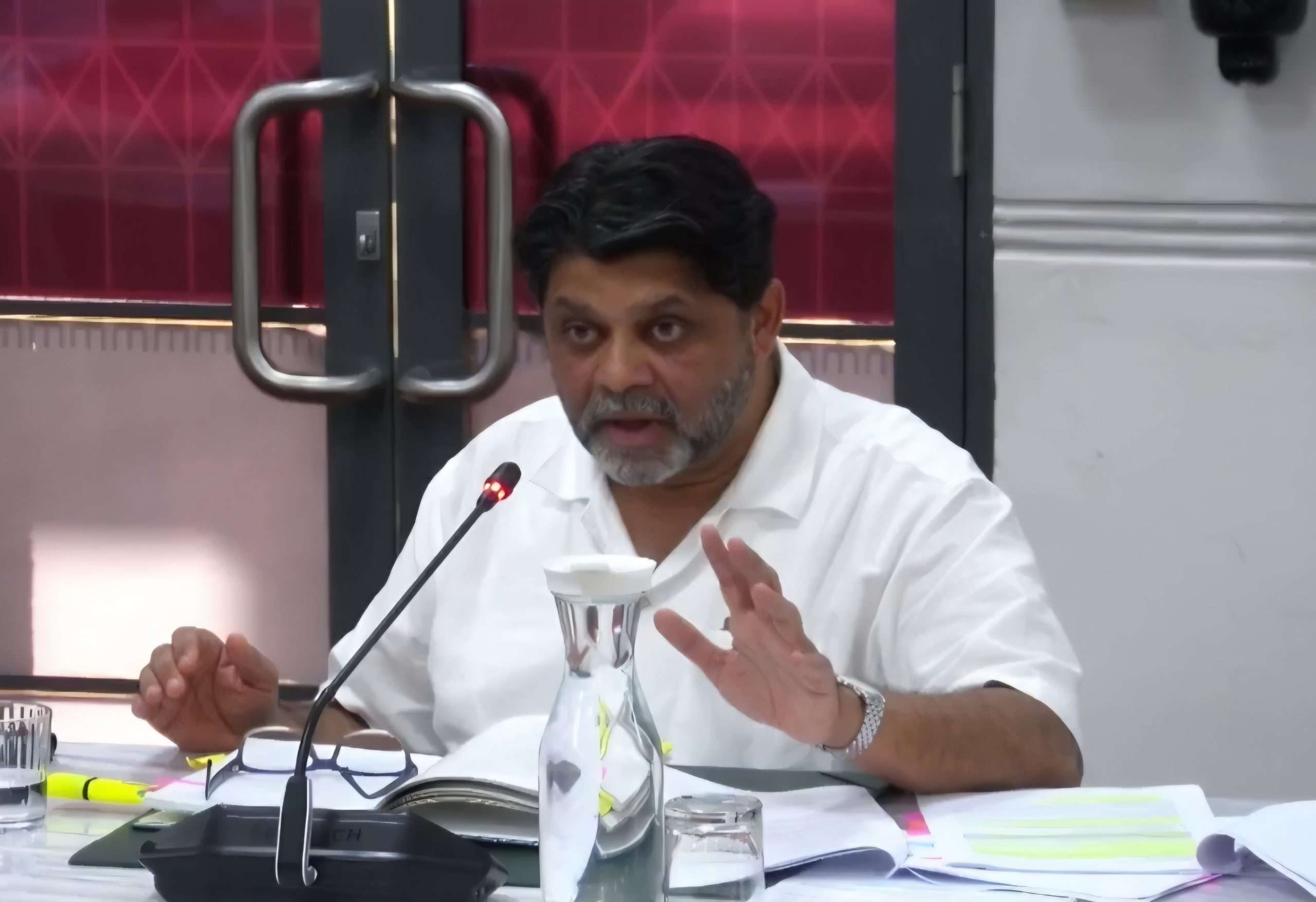
Former Attorney-General Aiyaz Sayed-Khaiyum has urged lawmakers and stakeholders not to conflate traditional qoliqoli fishing rights with the Commercial Use of Marine Areas Bill, saying the two issues need to be considered separately.
Sayed-Khaiyum made the comments today before the Standing Committee on Justice, Law and Human Rights during its consideration of the Commercial Use of Marine Areas Bill (Bill No. 42 of 2025).
He rejected suggestions that opposition to the Bill would amount to opposition to qoliqoli rights.
“Let’s not try and conflict the issue. Nor should we try and obfuscate the issue,” Sayed-Khaiyum said.»
“Saying, ‘Oh, anybody opposing this Bill means they don’t believe in qoliqoli rights.’ That’s nonsense. That’s nonsennonsense.”
He said qoliqoli rights are already recognised under the Fisheries Act and need to be properly enforced in areas where they apply.
Sayed-Khaiyum said there were also examples of goli goli owners reaching arrangements with tourism operators that provided financial benefits through mechanisms such as profit sharing and compensation.
He said the question of compensation could become more complicated in areas where fishing resources had been depleted.
“One particular revenue in government, one of the landowners said, ‘We actually no longer—there’s no fish here. We actually can’t fish. There’s nothing here now.’”
Sayed-Khaiyum said this raised the question of how much compensation, if any, should be provided, with such matters potentially being subject to negotiation.
He also cautioned against arrangements that provide immediate lump-sum payments without considering the long-term interests of younger generations.
“Sometimes we’ve seen in some places where goli goli owners demand a lump sum. Just give us half a million dollars now,” he said.
While acknowledging that landowners may receive a substantial payment, Sayed-Khaiyum questioned the impact of permanently giving up a particular fishing right.
“How is it going to affect the young kids who suddenly will become adults who want to fish? You’ve given away that particular right.”
He said a long-term approach was needed, particularly because the benefits and consequences of decisions made today could extend to future generations.
Sayed-Khaiyum also described the relationship between landowners and tourism operators as potentially “symbiotic”, saying successful commercial developments could increase the value of surrounding land and create further economic opportunities.
He said the issue should therefore not be viewed simply as a one-off transaction, but in terms of sustainable and long-term benefits for communities and future generations.