
Fiji’s labour market continues to show signs of improvement, according to the Reserve Bank of Fiji.
And it says this is evident by notable increases in the pick-up of job advertisements that imply higher labour demand and pay as you earn (PAYE) collections that denote higher disposable income.
However, the central bank said the labour market remained tight with the increased general migration abroad and employment opportunities via the regional labour mobility schemes.
“Developments in the labour market also supported higher consumption activity,” the RBF said in its April economic review released yesterday.
The RBF also noted higher inward remittances, income levels, and new consumption lending by commercial banks that continued to fuel the domestic consumption appetite shown by the increased net value added tax (VAT) collected in the review period.
But it said that because of policy-related uncertainties and the persistent higher cost of building materials, the rate of investment was anticipated to remain modest in the near future.
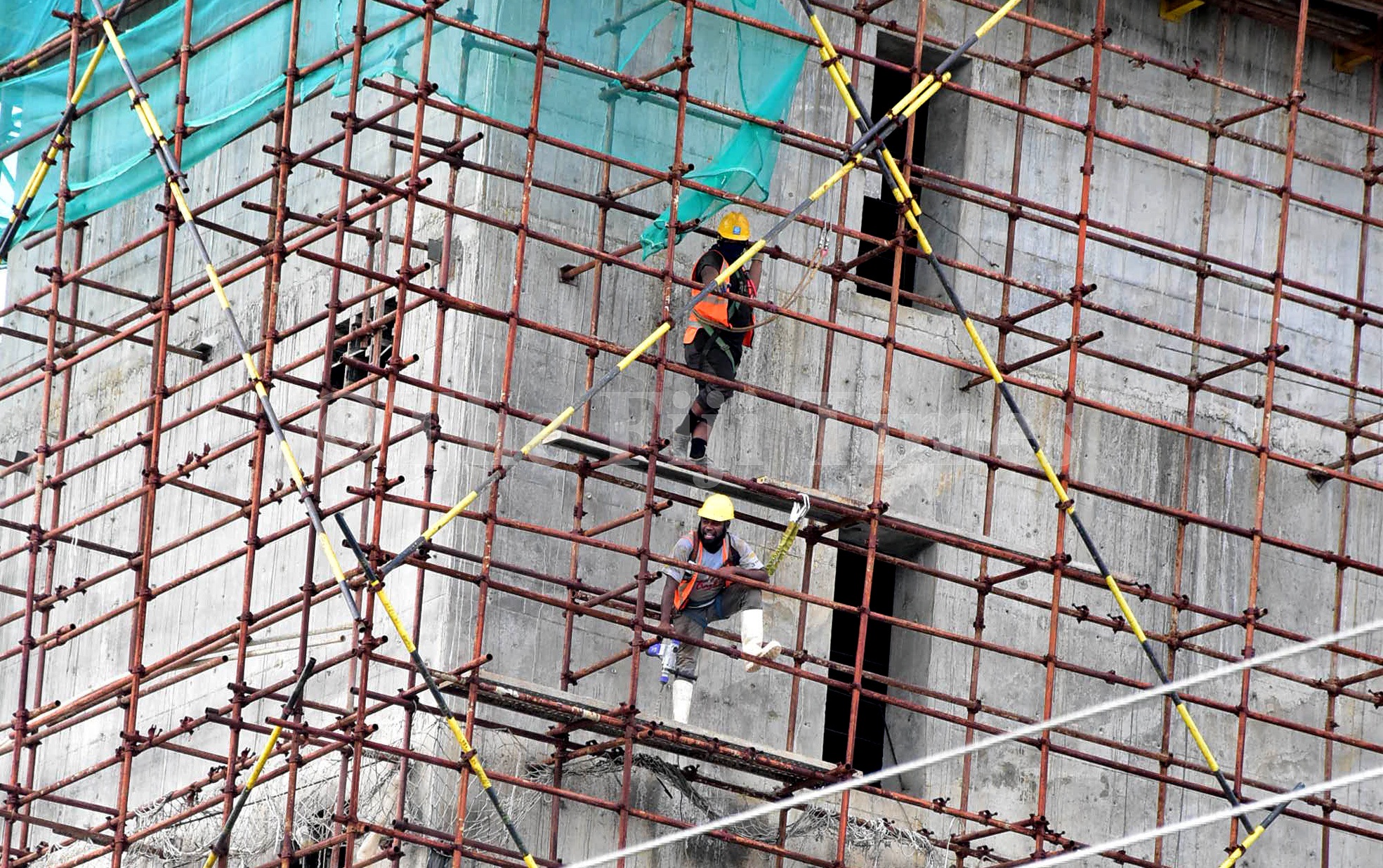
The central bank noted domestic cement sales slowed in March, implying softer construction activity.
The RBF stated that new investment lending, on the other hand, increased cumulative to March, underpinned by higher lending to both the real estate, and building and construction sectors.
It stated that financial conditions remained conducive, enabling both economic recovery and expansion.
Although liquidity levels have started to moderate, it remains high as of April 28, at $2.3 billion, pushing the outstanding lending rate to a historic low.
In March, it noted the Fijian dollar strengthened against the Australian dollar by 0.9 per cent and the US dollar by 0.4 per cent, but weakened against the Euro dollar (-2.3 per cent), Japanese Yen (2.2 per cent), and New Zealand dollar (1.1 per cent).

