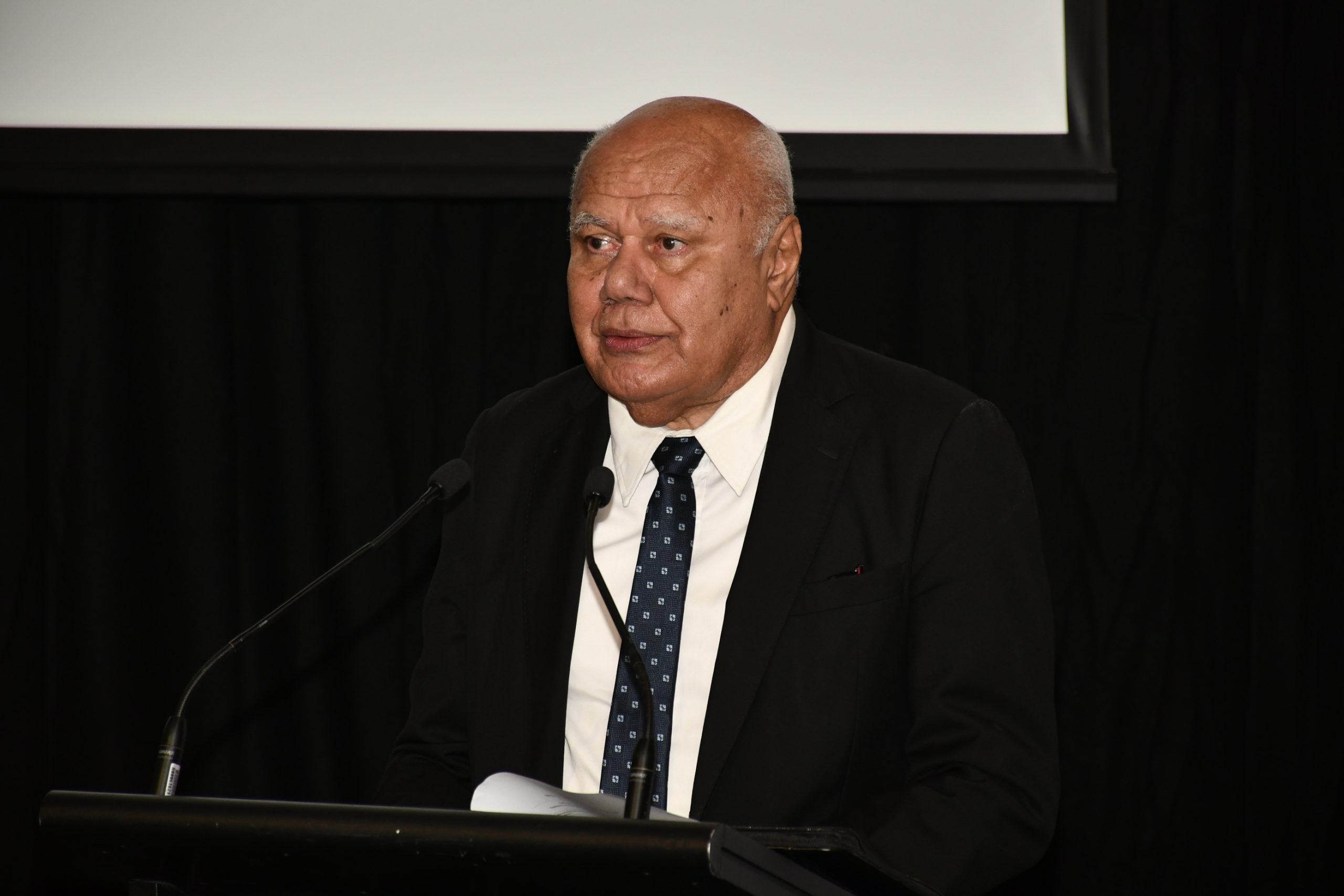
GOVERNMENT support should be directed mainly towards easing supply-side pressures, including stabilising fuel prices and strengthening energy infrastructure to help contain costs without adding to inflation.
Reserve Bank of Fiji Governor Ariff Ali said this while responding to questions from this newspaper on concessional financing received by Government from various institutions, including the recent $US200million (approx. $F440) support from the Asian Development Bank (ADB).
Mr Ali said whether the financing pushes prices up will depend largely on what Government spends the money on. “If directed towards easing supply-side pressures, such as energy-related costs or transport constraints, the net effect on inflation could be neutral to stabilising,” Mr Ali said.
Mr Ali said global commodity prices would have a more direct and significant impact on domestic inflation than the offshore loan or Government expenditure associated with it.
“The Reserve Bank continues to monitor inflation dynamics closely.”
He said Fiji’s concessional support, together with the $AU30million ($F47.20) budget support from the Australian Government to respond to the fuel crisis, helped strengthen Government’s policy space during a challenging global environment.
“From a macroeconomic perspective, this assistance helps to stabilise finances, reduce immediate pressures on reserves and the budget as well as sustain investor and business confidence without resorting to more costly financing options.”
Mr Ali said while all external borrowing carried obligations, concessional financing was generally provided on more favourable terms.
He said this included lower interest rates and longer maturities, which significantly reduced risks compared with commercial borrowing.
“Exchange rate exposure is also carefully managed at the national level.
“The key issue is ensuring that borrowing is prudent, and corresponding spending is well-targeted, consistent with medium-term fiscal sustainability.”
Mr Ali said although Government debt had increased slightly, it was expected to fall over time as deficits reduced. He said from a central bank perspective, the most effective use of the support would be to prioritise supply-side interventions.
“When used to cushion shocks, support confidence, and protect core economic functions, such financing can help stabilise the economy while minimising inflationary risks.”