
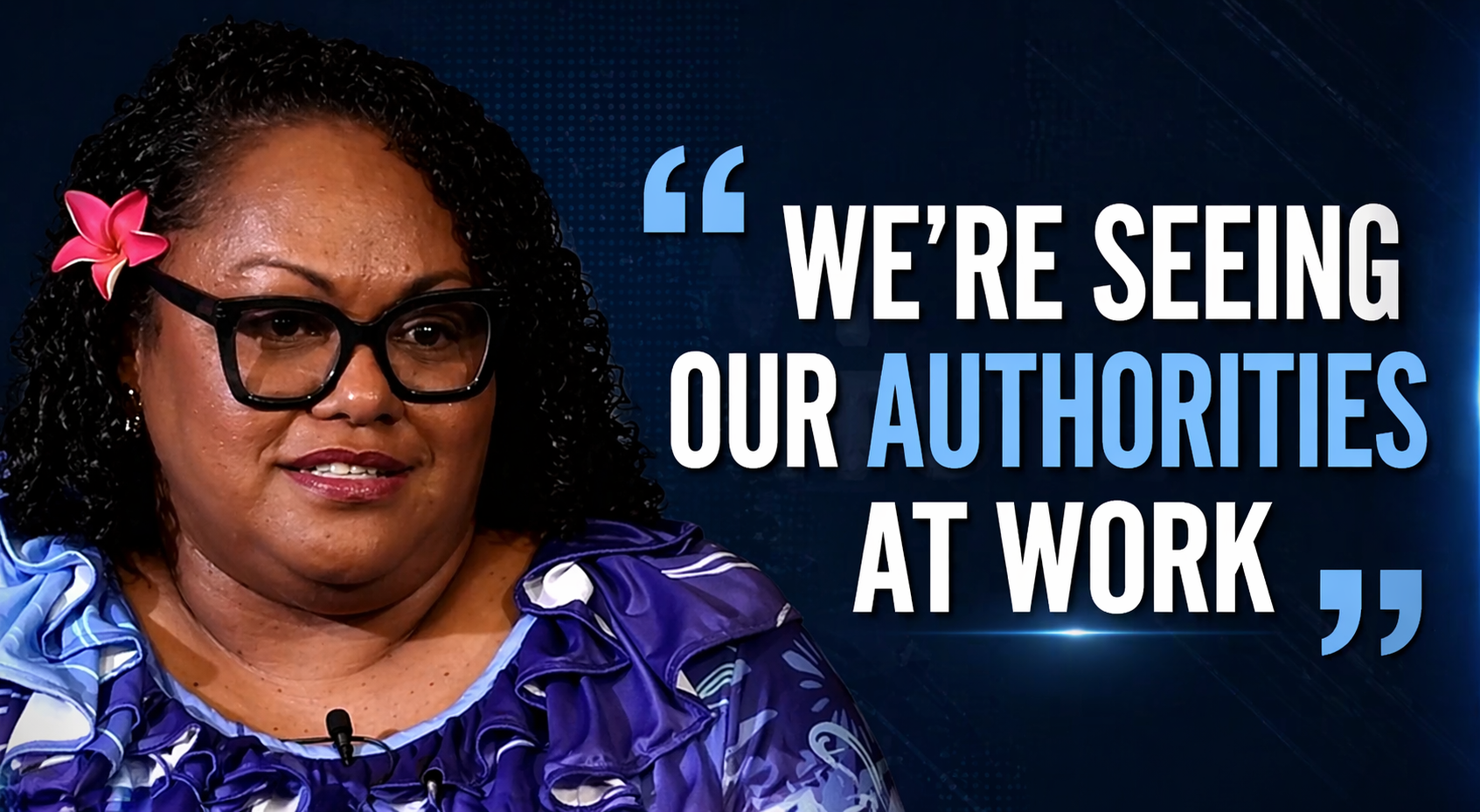
ABC Fiji correspondent Lice Movono says the Rabuka Government is stepping up its response to the drug crisis, but warns the scale of the problem continues to outpace national efforts.
Speaking at a panel discussion at the Lowy Institute in Sydney yesterday, Ms Movono said authorities were more active than in previous years, but challenges within institutions and the evolving nature of the drug trade remain significant.
“So the Rabuka Government is doing a lot more than, say, the government before that, but it’s not enough for the magnitude of the problem that we have,” she said.
She noted that while enforcement agencies are increasingly visible, there are ongoing concerns about pressure on democratic institutions and governance.
“We’re seeing our authorities at work… but we’re also seeing vulnerabilities in democratic institutions and a constant struggle,” Ms Movono said.
She added that Fiji is no longer just a transit point for illicit drugs moving through the Pacific.
“This is a problem that is not just in transit through our islands… it’s also no longer in transit,” she said.
Ms Movono also highlighted a troubling shift in the drug economy, revealing that drugs are now being used as payment for services.
“One of the most alarming things we’ve discovered is that drugs are now being used as payment for services rendered,” she said.
She warned that strong demand and high prices in markets such as Australia continue to fuel trafficking activity across the region, placing increasing strain on Fiji’s capacity to respond.

