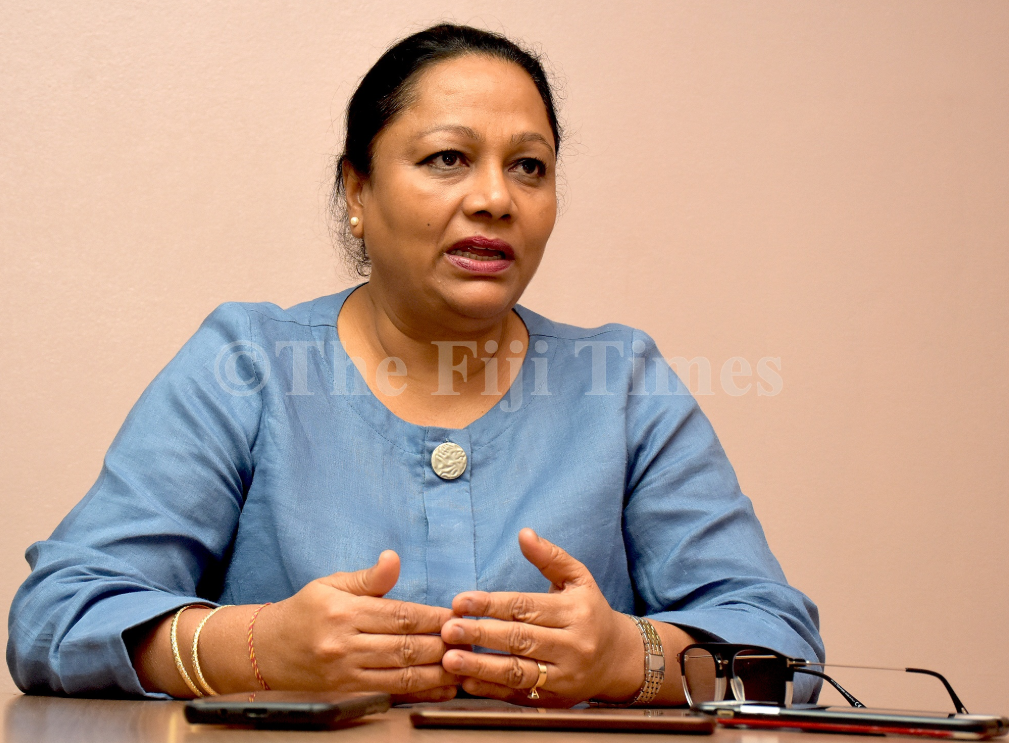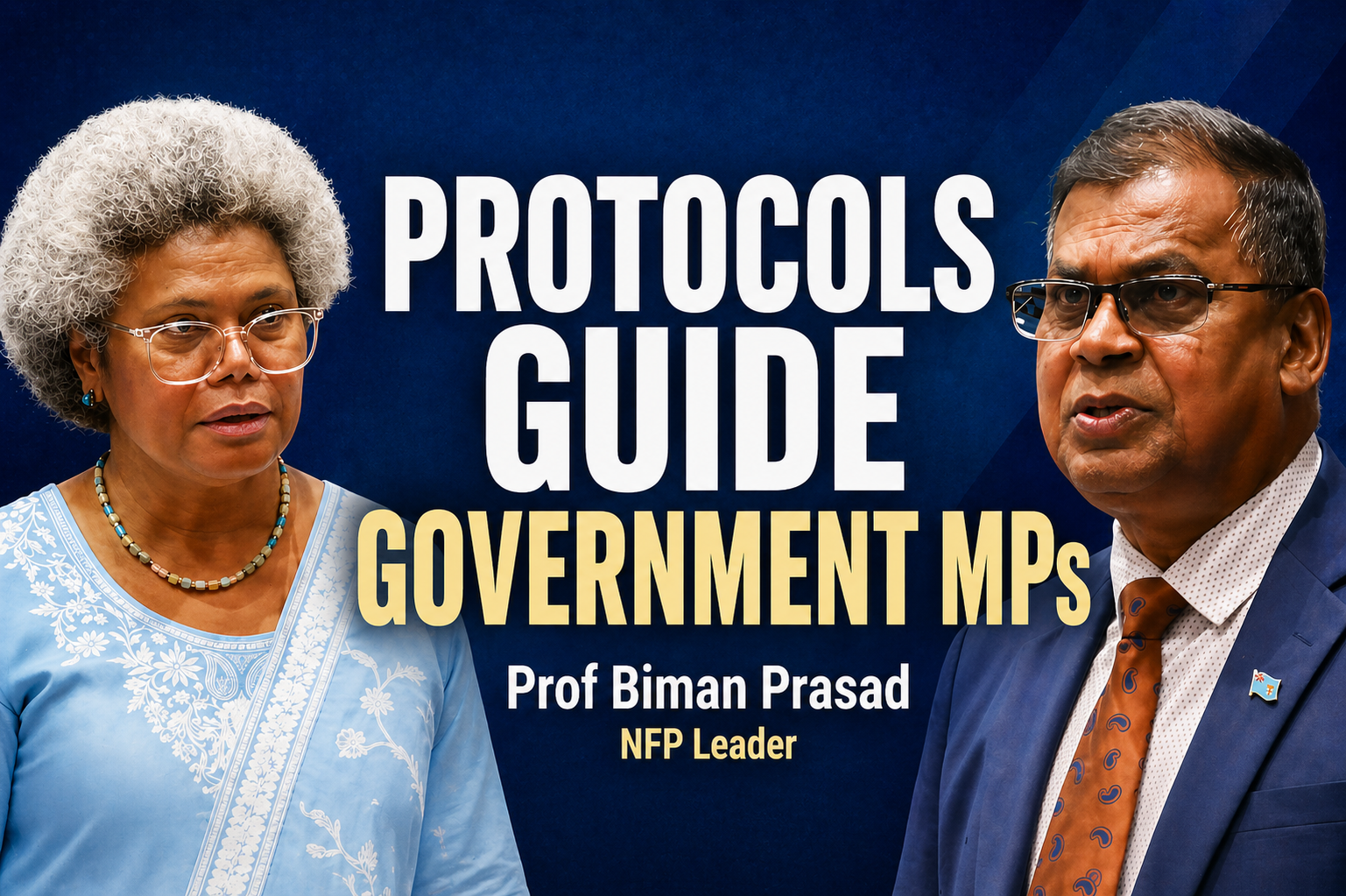
The National Federation Party has clarified its position on the proposed waste-to-energy project in Vuda-Saweni following public opposition from Deputy Speaker and Assistant Minister for Foreign Affairs Lenora Qereqeretabua.
She posted on social media last night, stating “at the cost of my job, and with no support from my party, I oppose the Waste to Energy proposed Saweni project.”
She referenced Fiji’s commitments under the Waigani Convention, stressing that the country must not become a dumping ground for hazardous waste.
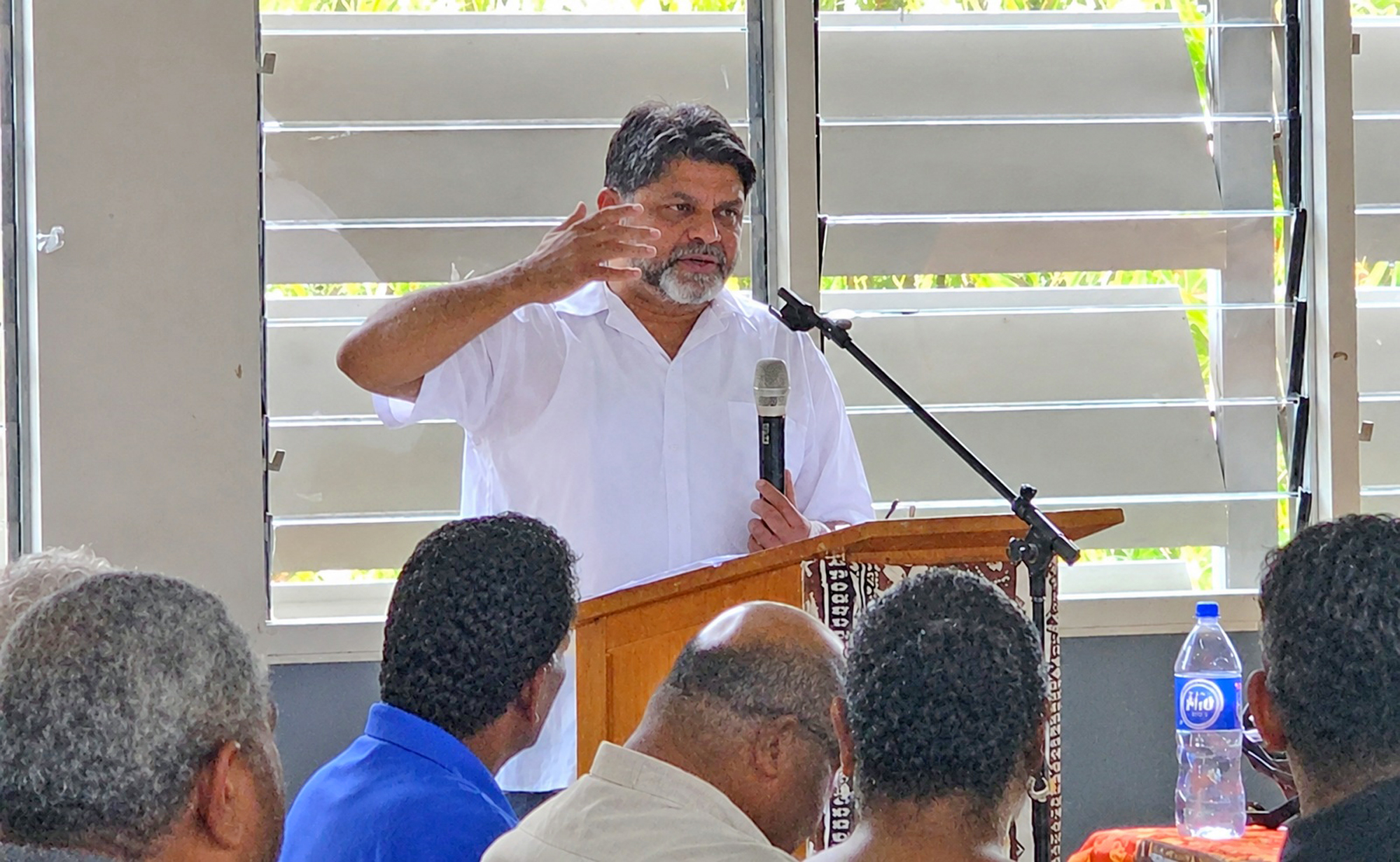
In a statement to The Fiji Times, party leader Biman Prasad said the Government has not granted formal approval for the project.
“The party stance is as follows. The Government has not given formal approval as clearly stated by the Honourable Prime Minister,” Prof Prasad said.
He added that both the Minister for Lands and the Minister for Environment had confirmed that key processes, including the Environmental Impact Assessment (EIA) and land acquisition matters, would be addressed through proper procedures.
“Government has already acknowledged issues raised during consultation and it is not going to ignore these concerns from different stakeholders,” he said.
Prof Prasad said it would be premature to assume the project would proceed.
“It is inappropriate for us to assume that the project is going ahead,” he said.
While acknowledging that Members of Parliament are free to express their views, he emphasised the importance of adhering to party processes and protocols.
“Members of Parliament are free to articulate their views but there are also established processes and protocols, especially when you are part of a party in Government,” he said.
Prof Prasad said the party would continue to take a measured approach on national issues.
“As a party, we have always taken a considered view of national issues of concern and we will continue to do that,” he added.
He also welcomed public engagement on the issue, noting that consultations had generated valuable feedback.
“It is a good thing that people… have been able to highlight their concerns and some have provided really good analysis,” he said.
Addressing references to the Waigani Convention, Prof Prasad noted that the agreement specifically relates to hazardous and nuclear waste.
The statement comes amid ongoing public debate over the proposed facility, with stakeholders continuing to raise environmental and governance concerns.