Whether you have a compact urban backyard or a sprawling suburban yard, the right patio layout transforms your outdoor space into a functional, beautiful extension of your home.
The secret lies in understanding your space size, defining your purpose, and choosing materials and zones that match your lifestyle.
Layout ideas
Planning the layout first saves you from costly mistakes later. A solid plan ensures your furniture fits the space and sits in the right amount of shade, no matter how large or how small the space is.
This helps you pick durable materials that suit your land and your goals. Good design turns a basic patch of grass into a space you actually use for relaxing or hosting guests.
Assess your backyard before picking a design
Taking the time to walk the perimeter and note the physical traits of your land will save you from major headaches later.
Measure and map the area
Grab a long measuring tape and record the length and width of the space. Note where the back door sits and look for any irregular curves or jagged corners.
Use graph paper to draw a simple bird’s-eye view. This helps you see exactly how much room you have for patio layout ideas without guessing.
Watch the sun and wind
Spend a day tracking how the sun moves across the yard. A spot that feels great at 10am might be scorching hot by 4pm.
Note where the shadows fall from your house or large trees. Also, pay attention to wind. If one corner of the yard is a wind tunnel, it is not the best place for a fire pit.
Check drainage and utilities
Look for low spots where water pools after it rains. You never want to build a patio on a swampy patch before correcting drainage problems.
Also, contact your local utility locator service to have underground utilities marked before you dig.
You don’t want to dig into a gas or water pipe while setting your foundation.
Define how you will use the space
Do you host large Sunday dinners? Or do you just want a private corner for coffee? Decide if the primary goal is dining, lounging, or gardening.
Knowing this helps you set a realistic budget and keeps you focused on what actually matters to your family.
Core principles for any patio size
Good design follows a few basic rules that work for every home. These principles ensure your outdoor area feels balanced, easy to walk through, and connected to the rest of your property.
The rule of proportion
A patio should usually take up about 25 per cent to 30 per cent of your total backyard. If it is too small, it looks like a lonely island.
If it is too big, you lose the beauty of your greenery. Aim for a size that leaves room for some grass or plants to soften the edges.
Create natural traffic flow
People need room to walk. Leave at least three feet of open space for main walkways. Ensure there is a direct, clear path from your back door to the main seating area.
If guests have to squeeze past a grill or trip over a chair leg, the layout is too crowded.
Pick a focal point
Every area needs an anchor. This is the first thing your eyes land on when you walk outside.
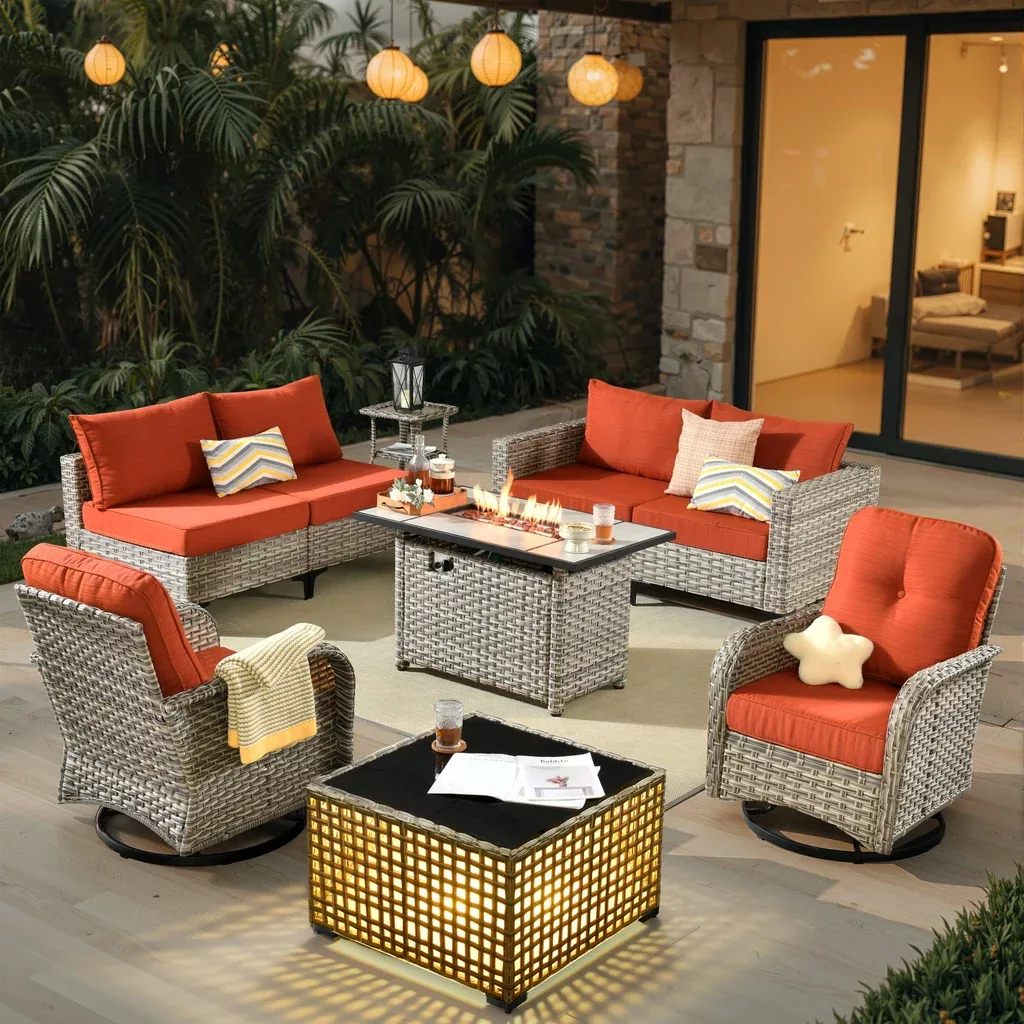
It could be a stone fireplace, a large dining table, or a bubbling water fountain. Build the rest of your furniture around this central piece to give the space a sense of purpose.
Match your home’s interior
Your patio should feel like an outdoor room. If your kitchen is modern and clean, use similar colors and lines for your pavers.
Matching the flooring height of the patio to your indoor floor creates a seamless transition that makes both areas feel larger.
Maintain material consistency
To keep the design looking professional, use no more than 2–3 complementary materials. Mixing too many different types of stone, wood, and metal creates visual clutter that distracts the eye.
Using a consistent palette of materials helps the space feel calm, organised, and high-end.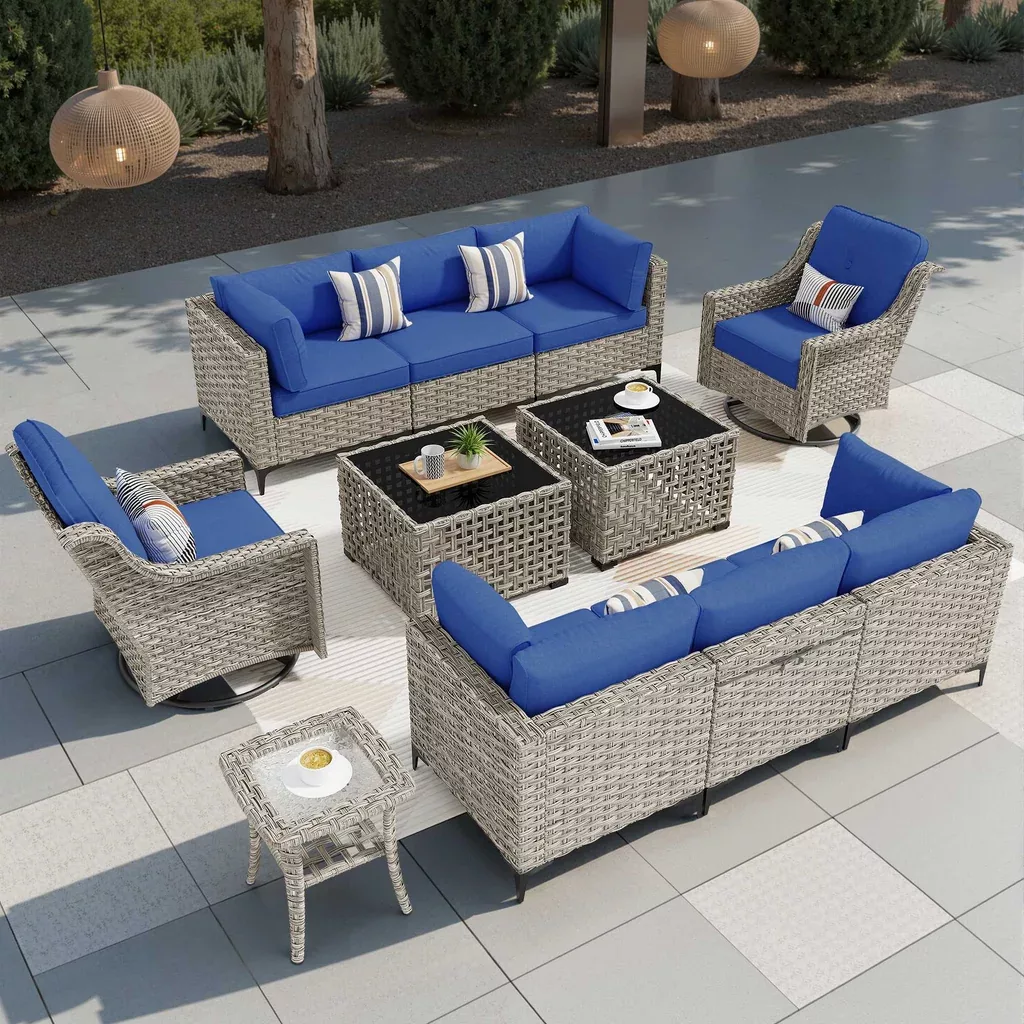
Your patio should feel like an outdoor room. If your kitchen is modern and clean, use similar colors and lines for your pavers. Picture: www.ovios-home.com
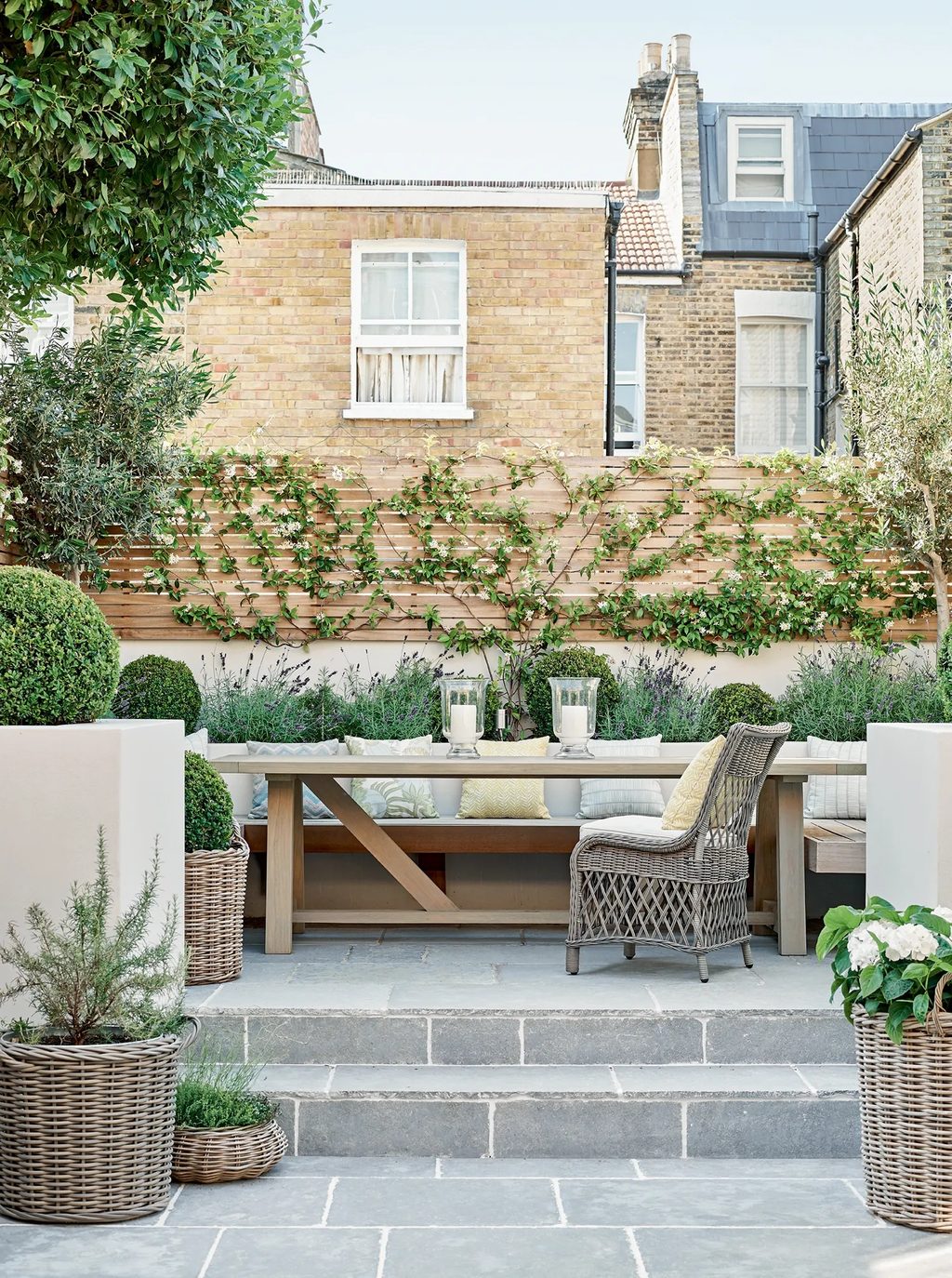
Whether you have a compact urban backyard or a sprawling suburban yard, the right patio layout transforms your outdoor space into a functional, beautiful extension of your home.
Picture: www.ovios-home./Benjamin Edwards
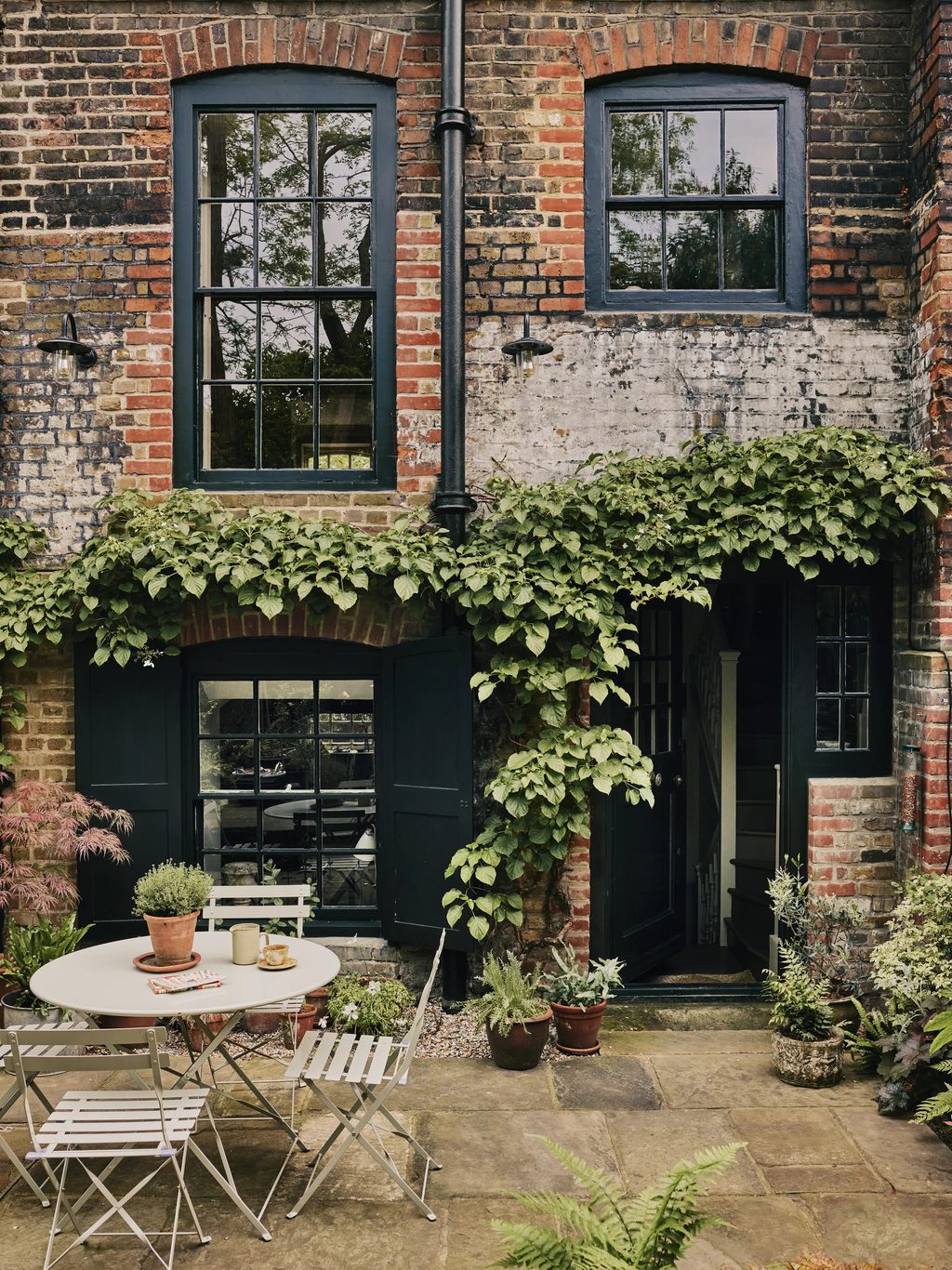
To keep the design looking professional, use no more than 2–3 complementary materials. Mixing too many different types of stone, wood, and metal creates visual clutter that distracts the eye. Picture: www.houseandgarden.co.uk/Christopher Horwood