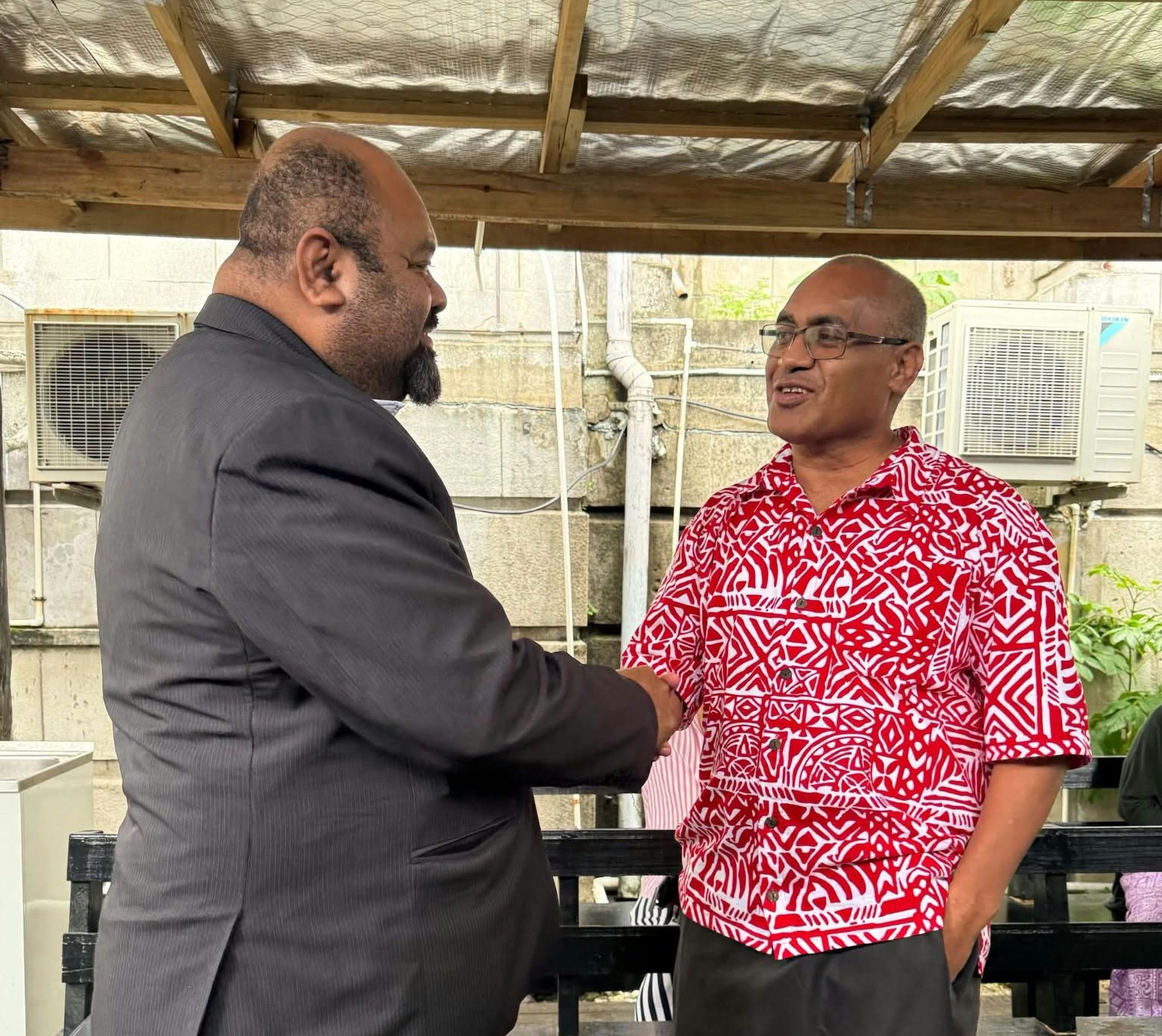
THE prison gates may open, but the punishment can continue outside them, President Ratu Naiqama Lalabalavu says, describing stigma as a “second prison” for former inmates.
Officiating at the launch of the Fiji Corrections Service art exhibition at the Grand Pacific Hotel in Suva, Ratu Naiqama said people who had completed their sentences should not continue to face rejection from their communities.
“A person, who has accepted responsibility and completed the sentence imposed by law, should not be sentenced again, informally or indefinitely,” he said.
Ratu Naiqama said stigma could follow former inmates through unemployment, family rejection, suspicion, lack of housing and the belief that one mistake had cancelled an entire future.
He said rehabilitation did not erase the harm caused by crime or diminish the pain of victims, but could strengthen public safety by helping offenders confront wrongdoing, change behaviour and prepare to live within the law.
“When the prison officers bring home somebody, we relatives must receive him in open arms — ‘welcome back’,” he said.
Ratu Naiqama said chiefs and traditional leaders had an important role in taking responsibility for members of their tribes and clans and supporting them when they returned home.
“I have been asking the Great Council of Chiefs. You have to play a very active role here,” he said.
Ratu Naiqama said the priority was to ensure that people who had served their sentences were not defined permanently by their past.
“When a second chance is given to one person, it becomes a first chance for an entire family,” he said.