Fiji Labour Party leader Mahendra Chaudhry says Prime Minister Sitiveni Rabuka’s remarks about the military restoring order if the constitutional reform process goes wrong were either careless or calculated, and neither was acceptable.
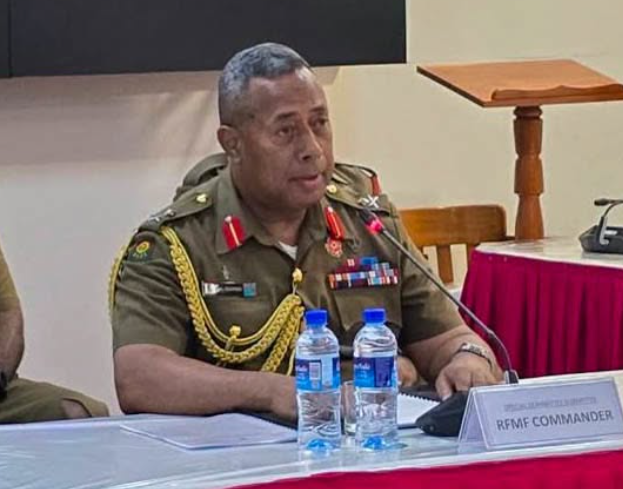
Mr Chaudhry has demanded an explanation from the Prime Minister over comments he made to Republic of Fiji Military Forces Commander Major General Ro Jone Kalouniwai during proceedings of the Special Parliamentary Committee examining the Constitution (Amendment) Bill 2026.
“Until that clarification is given, the country is left with a statement that is either careless or calculated, and neither is acceptable from a Prime Minister who is simultaneously pressing for a new constitution,” Mr Chaudhry said.
According to the Labour leader, Mr Rabuka told the Commander that if things went wrong during the constitutional process, either he or his successor would have to bring the country back to order.
Mr Chaudhry said the remarks were made shortly before the Commander presented the military’s submission on the proposed constitutional changes.
He questioned the significance of the statement, particularly given Fiji’s history of military intervention in politics.
“The Prime Minister was at the camp in 2000. He led the events of 1987. When a man with that record tells the serving Commander that he or his successor may have to restore order, the country is entitled to ask what he means.”
Mr Chaudhry said the comments were especially troubling because Major General Kalouniwai had declared that the military did not want the constitutional immunity proposed in the Bill.
The Commander had also confirmed that the RFMF had signed a declaration rejecting immunity and was prepared to cooperate with lawful accountability processes.
In his submission, Major General Kalouniwai acknowledged the military’s involvement in the events of 1987, 2000 and 2006 and recommended replacing Chapter 14 with a Truth, Accountability and Reconciliation Commission.
Mr Chaudhry said the Prime Minister’s reported remarks raised questions about the military’s possible role in the constitutional process.
“Is he acknowledging the broad wording of section 131 of the 2013 Constitution, which gives the military overall responsibility for the security, defence and well-being of Fiji and all Fijians, and inviting the Force to treat itself as the enforcer of the constitution he now wishes to pass?”
He also questioned whether the reference to a successor carried a warning for the serving Commander.
“Is he warning the Commander that a successor can be found if the present Commander does not share the government’s view of what ‘order’ requires?”
Mr Chaudhry said the remarks could also be interpreted as a reminder of the military’s past involvement in resolving political and constitutional disputes.
“None of these readings is reassuring. All of them are available from the words he used.”
He maintained that the RFMF’s decision to reject immunity and accept civilian authority represented a clear commitment that should not be undermined by suggestions of military intervention.
“The Republic of Fiji Military Forces has placed on record that it wishes to surrender the immunity that has protected it and that it accepts civilian authority. That is a statement of principle.”
Mr Chaudhry said constitutional disagreements must be resolved through established democratic institutions rather than military involvement.
“Order in a constitutional democracy is restored by elections, by the courts, and by the observance of the rules that already exist.”
He called on Mr Rabuka to explain whether his reported comments referred to section 131 of the Constitution and whether he envisaged any military role if the Bill failed to secure parliamentary approval or was rejected in a referendum.
“The Fiji Labour Party calls on the Prime Minister to state, in plain terms, what he meant by the remark, whether he was referring to section 131, and whether he contemplates any role for the military beyond the ordinary duty of defending the State if the third reading or the referendum does not produce the result he seeks.”
Mr Chaudhry said the country deserved clarity from the Prime Minister at a time when major decisions were being considered about Fiji’s constitutional future.