The Government is examining tighter controls on plastic imports, with 41 products identified for further assessment as part of efforts to reduce plastic pollution in Fiji.
Plastic straws, plates, cups, cutlery and confetti are among the products being considered following a stakeholder scoping workshop convened in Suva last week by the Ministry of Environment and Climate Change in partnership with the Secretariat of the Pacific Regional Environment Programme (SPREP).
The workshop follows a Cabinet directive for the Ministry to comprehensively assess Fiji’s existing plastic bans and submit recommendations on possible future measures.
Technical work presented by the University of New South Wales Centre for Sustainable Development Reform included a review of 78 regulatory instruments across 35 jurisdictions and a preliminary shortlist of 41 plastic products.
However, the Ministry stressed that no new bans have been approved, and the workshop was intended to gather feedback rather than finalise a list of prohibited products.
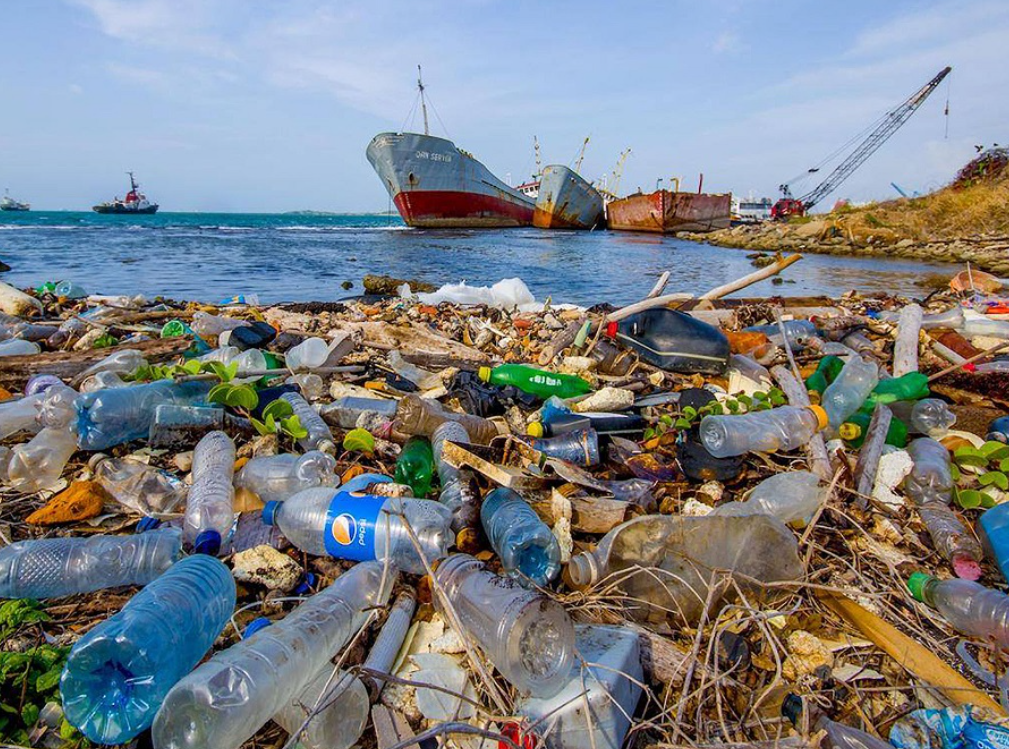
As a net importer of plastics, Fiji faces challenges in managing plastic products and packaging manufactured overseas, many of which eventually end up in streets, drains, rivers and coastal waters.
Stakeholders examined possible regulatory measures, including import restrictions, bans, levies, product standards and product stewardship requirements.
Discussions also focused on the affordability and safety of alternatives, particularly for households, small businesses and maritime communities.
Concerns were raised about biodegradable plastics, product testing, exemptions, transition periods and the potential financial impact on businesses.
The Ministry said any proposed restrictions would require further assessment to ensure sustainable alternatives were practical and affordable.
The initiative builds on Fiji’s existing restrictions on plastic bags and polystyrene products, alongside ongoing reforms involving product stewardship legislation and container deposit regulations.
It also supports the National Development Plan 2025–2029 and the National Waste Management and Pollution Control Strategy 2026–2035.
Further consultations with businesses and industry stakeholders, regulatory impact assessments and evaluations of alternative products will be undertaken before recommendations are finalised.
The Ministry said the broader objective was to shift Fiji’s approach from managing plastic waste after disposal to preventing pollution at its source, while protecting public health and supporting a fair transition to sustainable alternatives.