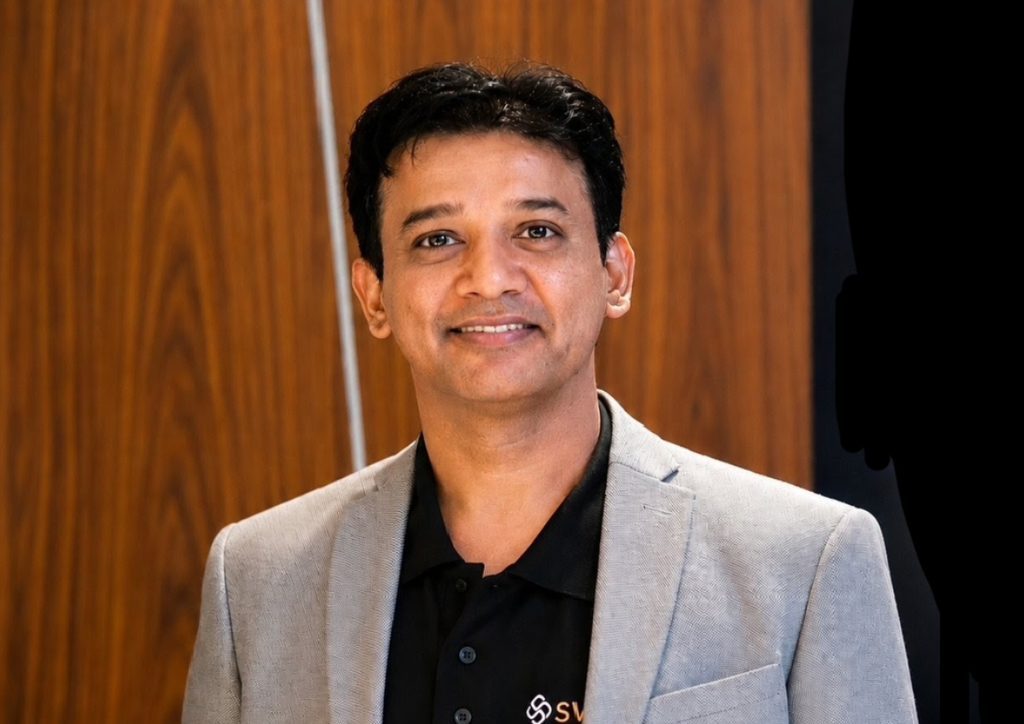
SOUTH Pacific Business Development (SPBD) Fiji has appointed Nitesh Sinha as its new general manager.
Mr Sinha brings more than 20 years of microfinance experience in India, spanning internal audit, risk management, portfolio management, business development and financial services.
Most recently, he served as vice president of Svasti Microfinance – a 149-branch microfinance organisation with more than two million customers in India.
Given his finance, audit and risk management background, he said the opportunity to join SPBD Fiji was appealing because of its strong mission of supporting women entrepreneurs and transforming families and communities.
The Fiji Times (FT) interviewed Mr Sinha about his new appointment and his vision for SPBD Fiji during his tenure and below are excerpts from the e-mail interview.
FT: What was the first order of business for you since taking up this new role?
Sinha: My first priority has been listening and learning. I have spent time visiting branches, meeting staff, engaging with members, and understanding our operational processes. It is important to appreciate both the strengths of the organisation and the opportunities for improvement before implementing changes. My focus has been on strengthening execution, supporting our teams, enhancing member experience, and ensuring we continue to grow sustainably. We are set to open our 11th branch in Korovou by the end of September 2026, marking another important milestone in our mission to empower women entrepreneurs and strengthen financial inclusion across Fiji.
FT: What should SPBD Fiji and its members expect from your leadership?
Sinha: They can expect a leadership style that is collaborative, transparent, and member focused. SPBD’s success has always been built on trust, discipline, and service to our members. I want to build on that strong foundation by fostering operational excellence, embracing innovation, strengthening governance, and ensuring that we continue to create meaningful economic opportunities for women entrepreneurs across Fiji.
FT: What immediate plans do you have in terms of digitising SPBD Fiji’s operations, and how will you ensure this technology remains accessible to rural or less tech-literate women entrepreneurs?
Sinha: Digitisation is an important part of the future of financial services, and we see it as a tool to enhance convenience, efficiency, and service quality. Our approach will be gradual and member centric. Any technological improvements must simplify processes rather than create barriers. We will continue to prioritise training, support, and accessibility to ensure that members remain comfortable and confident when using digital tools. The goal is to blend technology with the personal relationships that have always been at the heart of SPBD’s success.
FT: Coming from an internal audit and risk management background, what macro-economic challenges are you keeping a close eye on to safeguard your clients’ portfolios?
Sinha: Global economic uncertainty, inflationary pressures, climate-related events, and fluctuations in household income are key areas of focus. These factors can directly impact the resilience of low-income households and small businesses. From a risk management perspective, it is important to maintain strong portfolio quality, support members through financial education, and remain proactive in identifying emerging risks. Our goal is to ensure that SPBD continues to be a stable and trusted partner for our members in both favourable and challenging economic conditions.
FT: SPBD Fiji operates heavily on local weekly village group structures. How does the communal business mindset in Fiji compare to the urban and rural microfinance structures you handled at Svasti Microfinance?
Sinha: While Fiji and India are very different in terms of geography, culture, and scale, however what I have observed common in both countries are that women play a central role in supporting household livelihoods and driving small business activities. My experience at Svasti Microfinance reinforced the belief that when women are provided with access to financial services and equal opportunities, they become powerful agents of change within their families and communities. Svasti’s culture was deeply rooted in treating clients with dignity, building long-term relationships, and focusing on responsible financial inclusion rather than simply expanding lending volumes. What stands out in Fiji is the strength of the communal and village-based support system, which aligns closely with the group lending principles that I have worked with throughout my career. While the context may differ, the underlying objective remains the same: empowering women to build resilient businesses, improve family wellbeing, and create lasting positive impact in their communities. I look forward to combining the lessons learned from India with the unique strengths of Fiji’s community structures to further enhance SPBD Fiji’s mission.
FT: Do you have any other comments?
Sinha: I am both honoured and excited to be part of SPBD Fiji at such an important stage in its journey. Having spent close to two decades in the microfinance sector with Svasti Microfinance in India, I have had the privilege of working across operations, internal audit, risk management, governance, client protection, digital transformation, and institutional growth. This experience has given me a deep understanding of how microfinance can transform lives when delivered with discipline, empathy, and a strong focus on client welfare. A significant part of my professional development has been shaped by the visionary co-founders and leaders at Svasti, who instilled in me the importance of responsible finance, operational excellence, innovation, and a client-centric approach. Their mentorship helped me develop not only technical expertise in microfinance tools and systems but also a strong belief that sustainable financial inclusion must go hand-in-hand with social impact. As I begin this new chapter with SPBD Fiji, I bring with me the lessons, knowledge, and best practices gathered over nearly 20 years in one of the world’s most dynamic microfinance environments. At the same time, I recognise that every country, community, and institution is unique. My focus will be on combining global microfinance learnings with local insights to strengthen SPBD Fiji’s mission of empowering women entrepreneurs, supporting communities, and creating lasting economic opportunities throughout Fiji. I look forward to working closely with our members, employees, partners, and stakeholders to build on SPBD Fiji’s remarkable achievements and help shape the next phase of its growth and impact. Thank you Fiji Times for the opportunity to share my thoughts and I look forward to contributing positively to Fiji’s vibrant microfinance sector.