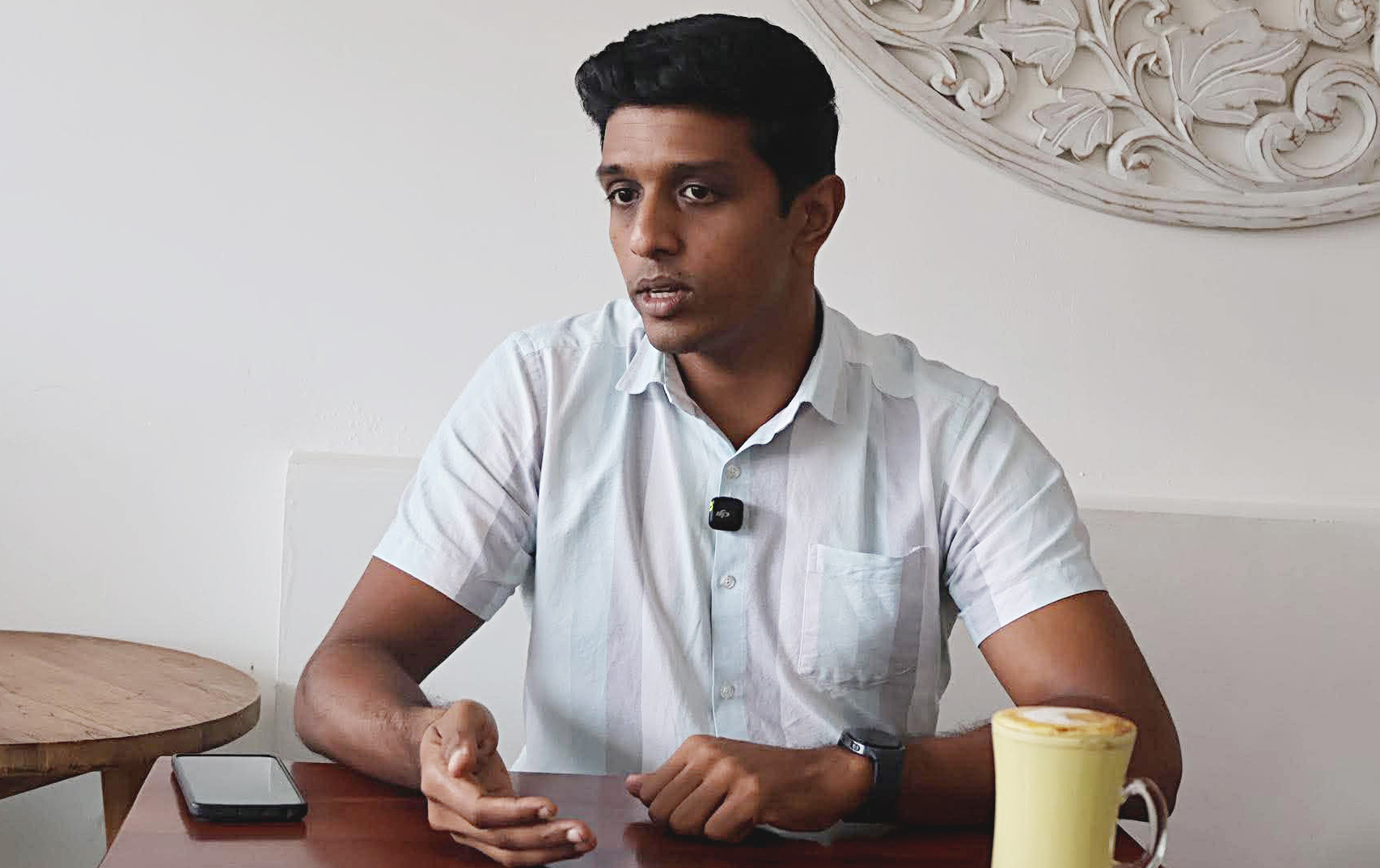
KNOWING your body and recognising changes in its normal habits could save your life, says Colonial War Memorial Hospital senior internal medicine registrar Dr Jasmiel Nand.
As Fiji marks Pinktober, or Cancer Awareness Month, Dr Nand is urging people to seek medical attention when they notice unusual changes in their bodies instead of dismissing symptoms or waiting for them to worsen.
He said people knew their bodies best and should pay attention to changes in their weight, voice, skin, bowel habits and the appearance of unusual lumps.
“The general rule is you know your body well, and you know your body habits; if any of these things change, it can become a red flag,” he said.
While common illnesses such as the flu, coughs and runny noses were expected to improve, Dr Nand said persistent symptoms, unexplained weight loss, voice changes and new or changing lumps should not be ignored.
He also warned that changes in moles or spots on the skin, including changes in colour, size or texture, bleeding or persistent itching, required medical assessment.
A change in bowel habits could also be a warning sign, particularly when someone experienced a noticeable difference in how frequently they passed stool.
Dr Nand said unexplained bleeding was another serious symptom that required prompt medical attention.
“So, if you’re vomiting blood, peeing blood, or you see blood in your toilet, these are massive red flags. Red flags mean things you have to get help for. Don’t assume it’s because of an injury.”
He encouraged people experiencing concerning symptoms to visit their nearest health centre, where medical staff could assess them and arrange further investigations, including blood tests, scans or referrals to larger hospitals if necessary.
Dr Nand said people should not assume that persistent symptoms were simply the result of a minor illness.
“You can’t have a flu for six weeks. Something is wrong. You need to be seen by a doctor. Early healthcare-seeking behaviour. That’s the only thing that saves lives.”
He acknowledged that financial pressures, transport costs, childcare and other family responsibilities could prevent people from seeking medical care early.
Some people also turned to massage, herbal medicine and traditional remedies before visiting a health facility.
While recognising that people might use traditional practices, Dr Nand stressed that these should not replace medical assessment and evidence-based cancer treatment.
He said family members, friends, church groups and work colleagues could play an important role in encouraging those who were afraid to seek help.
“This is where family comes in. This is where church groups, religious groups, friends, and work colleagues come in. You sometimes need someone to hold your hand and say, ‘Let’s go see a doctor. Let’s go see the Fiji Cancer Society’.”
Dr Nand said fear was a natural response when people suspected something might be wrong, but it should not prevent them from getting checked.
He emphasised that people who delayed seeking treatment should not be blamed, adding that support and encouragement could help them take the first step towards receiving care.