
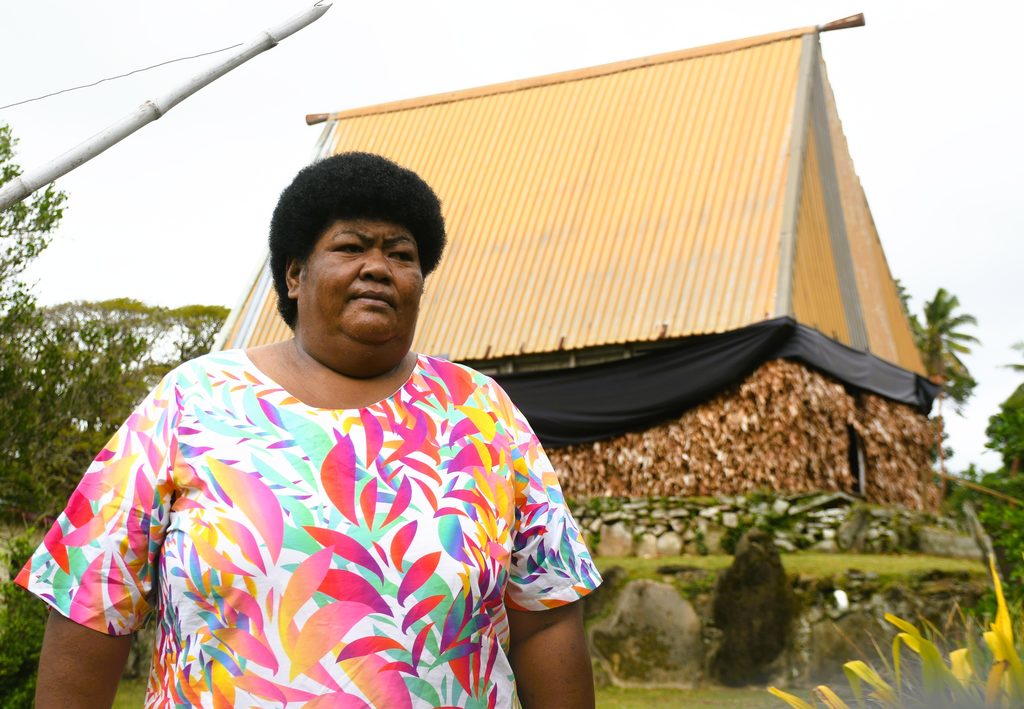
LONG before she led one of Bau’s rarest customary ceremonies, Adi Asenaca Qalirea learned by watching.
Growing up on the chiefly island, she observed the roles her elders, parents and grandparents played during traditional ceremonies, quietly absorbing the customs, protocols and responsibilities that define life in the vanua.
“It was there that our education began,” she said.
“Those lessons have stayed with us, and now we are carrying on the legacy.”
This week, that lifelong learning culminated in a significant responsibility when she led the duki ceremony in the waters surrounding Bau.
The rare customary rite marks the lifting of the qoliqoli tabu — a traditional fishing restriction imposed for several months, and sometimes up to a year, following the death of a high-ranking chief or chiefly woman of Bau.
The ceremony precedes the vakataraisulu, which was held on Thursday for the late Turaga mai Naisogolaca, former president and speaker of Parliament, Ratu Epeli Nailatikau.
“For us here on the island of Bau, whenever a man or woman of high chiefly status passes away, the duki is an integral part of the mourning rites we carry out,” she said.
Hailing from Lasakau Village on Bau, with maternal links to Sawana in Vanuabalavu, Lau, Adi Asenaca was chosen to lead because of her experience.
Thursday’s ceremony was the fourth duki she has participated in, having previously taken part in ceremonies honouring Fiji’s first Governor-General, the late Ratu Sir George Cakobau, the late Adi Litiana Maopa, and the late former vice-president and Roko Tui Bau, Ratu Joni Madraiwiwi.
Despite unsettled weather earlier in the week, she said the women never hesitated.
“I thank God for instilling in us, both the women and men of Bau, the values of unity and togetherness to perform these customary rites,” she said.
Adi Asenaca said one of the most encouraging sights was the strong participation of young women and the young men who assisted throughout the ceremony.
She believes their willingness to learn from their elders will ensure Bau’s traditions continue for generations.
“These customs must never fade away,” she said.
“As iTaukei, our rituals, protocols and respect are key pillars of our identity. Whatever vanua we come from, we must continue to uphold the God-given traditions entrusted to us.”

