
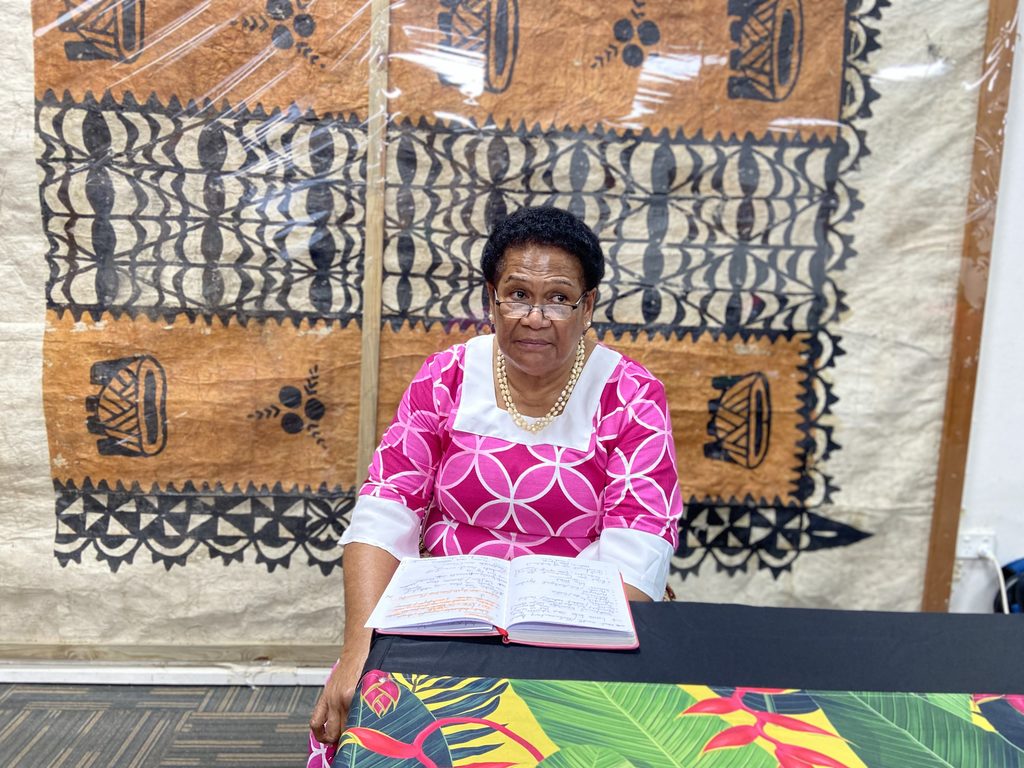
After dedicating 42 years of her life to government service, spending 38 of those years working across Fiji’s remote maritime regions, Rigieta Halofaki retired in 2019.
However, the president of the Soqosoqo Vakamarama iTaukei in the province Lau says her most critical battle actually began after she left office.
It is the relentless fight to protect the indigenous women of the Lau Group from having their cultural intellectual property stolen.
For generations, Lauan women have woven intricate mats, beaten delicate masi (tapa cloth), and created unique traditional designs distinct to their home islands. Today, these heritage designs are being exploited for commercial profit with zero financial return to the rural women who created them.
“It is mostly the Lauan women affected because they are the ones who consistently maintain our handicraft traditions and culinary preparation,” Mrs Halofaki said.
“Nowadays, a great deal of this handicraft making is being heavily abused for commercial gain by outsiders.”
Speaking at the inaugural Lau Intellectual Property Awareness Workshop in Suva, Mrs Halofaki highlighted glaring local examples that have fueled her frustration. She pointed out that major local home centers are frequently replicating distinct Lauan motifs onto commercial products without authorisation.
“One recent example is businesses using our traditional prints to manufacture items for sale. They are simply not supposed to do that.”
An even more distressing trend involves the unauthorised replication of sacred Lauan designs onto commercial floor carpets sold openly in retail shops.
“A company imports these from a manufacturer and supplies them to local home centers. Our cultural designs are being printed right onto floor carpets.
“If they wished to utilise our patterns, they should have formally sought permission from the indigenous women, because those designs belong to them.”
The exploitation, she notes, extends deeply into the supply chain. Middlemen routinely travel to the maritime islands to buy prized handicrafts from local women at a low, fixed “standard price,” only to retail the items in Suva at three to four times the original cost.
“It is the middlemen who are unjustly benefiting. They purchase the items cheaply and flip them for immense profit. In essence, they are stealing from the women of Lau.
“The rightful benefits must go directly to the artisans who physically create the handicrafts, not to exploitative intermediaries.”
This cultural crisis is not a new grievance. Mrs Halofaki revealed that the Soqosoqo Vakamarama iTaukei has been lobbying the Solicitor-General and Attorney-General’s offices for the past five years to secure legal protections.
“It is an honor to host this workshop because this has been an ongoing discussion for five years, yet it feels as though no one has taken it far enough to be legally legislated.”
The workshop aimed to break that cycle of inaction. Women from across the Lau Group and the Suva diaspora unified to demand robust legislation protecting traditional knowledge and indigenous intellectual property. A draft bill addressing these gaps is anticipated to be tabled in Parliament this September.
For Mrs Halofaki, the push is about safeguarding a living legacy rather than just passing a law.
“We must carry on this legacy. Many of our mothers and grandmothers have passed away. If we do not actively preserve this traditional knowledge and pass it on to the generations coming up behind us, we will lose it entirely.”
Recognising her platform, she views her post-retirement role with absolute clarity.
“We are their mouthpiece. The women on the islands rely on us to stand up and fight for what they have been struggling to protect for years.”
If the proposed intellectual property legislation successfully passes through Parliament, she believes it will mark a historic turning point for maritime artisans.
“If that legislation is passed, it will be a momentous celebration for our women.”
Until that day comes, the intricate weaving continues on the islands—and so does the fight in the capital.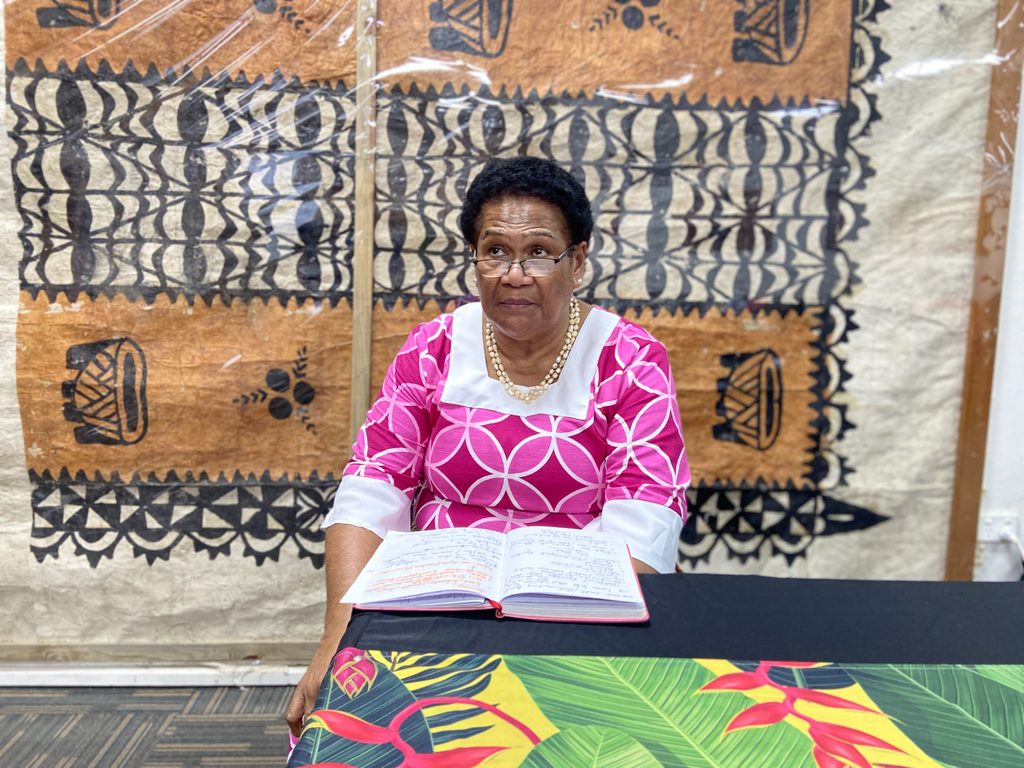
Rigieta Halokafi says middlemen routinely travel to the maritime islands to buy prized handicrafts from local women at a low, fixed “standard price,” only to retail the items in Suva at three to four times the original cost.
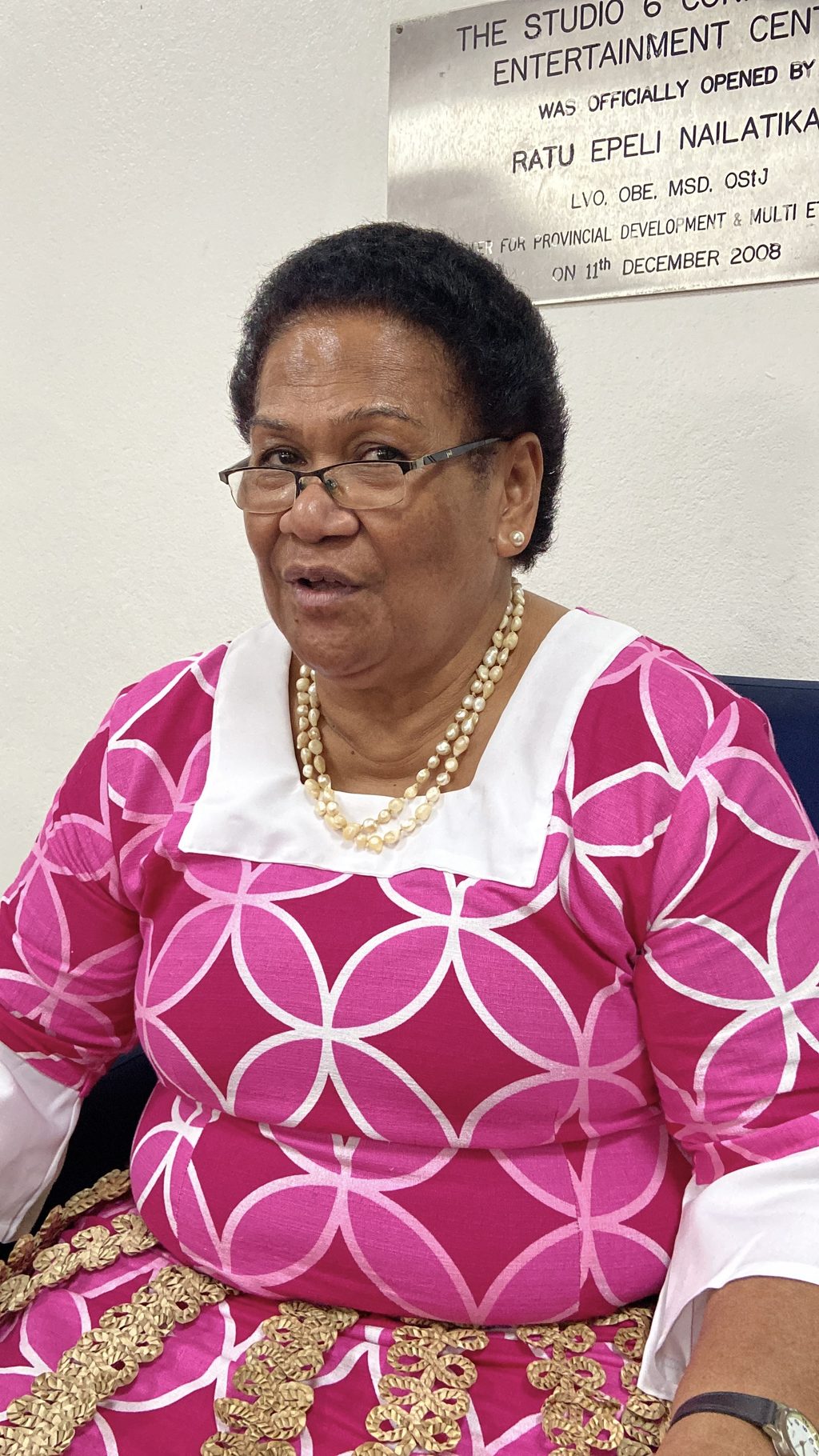
Rigieta Halofaki fights relentlessly to protect the indigenous women of the Lau Group from having their cultural intellectual property stolen. Picture: JULIA VADEI

