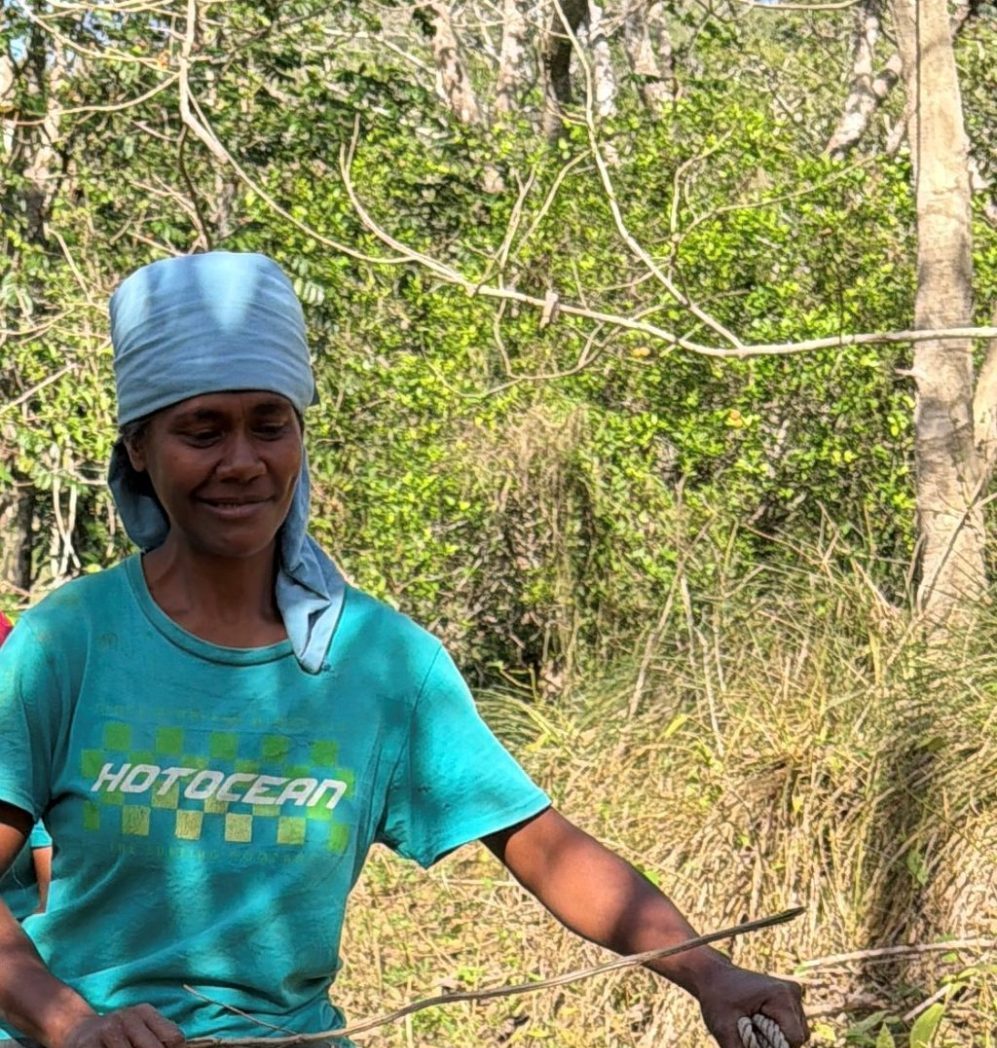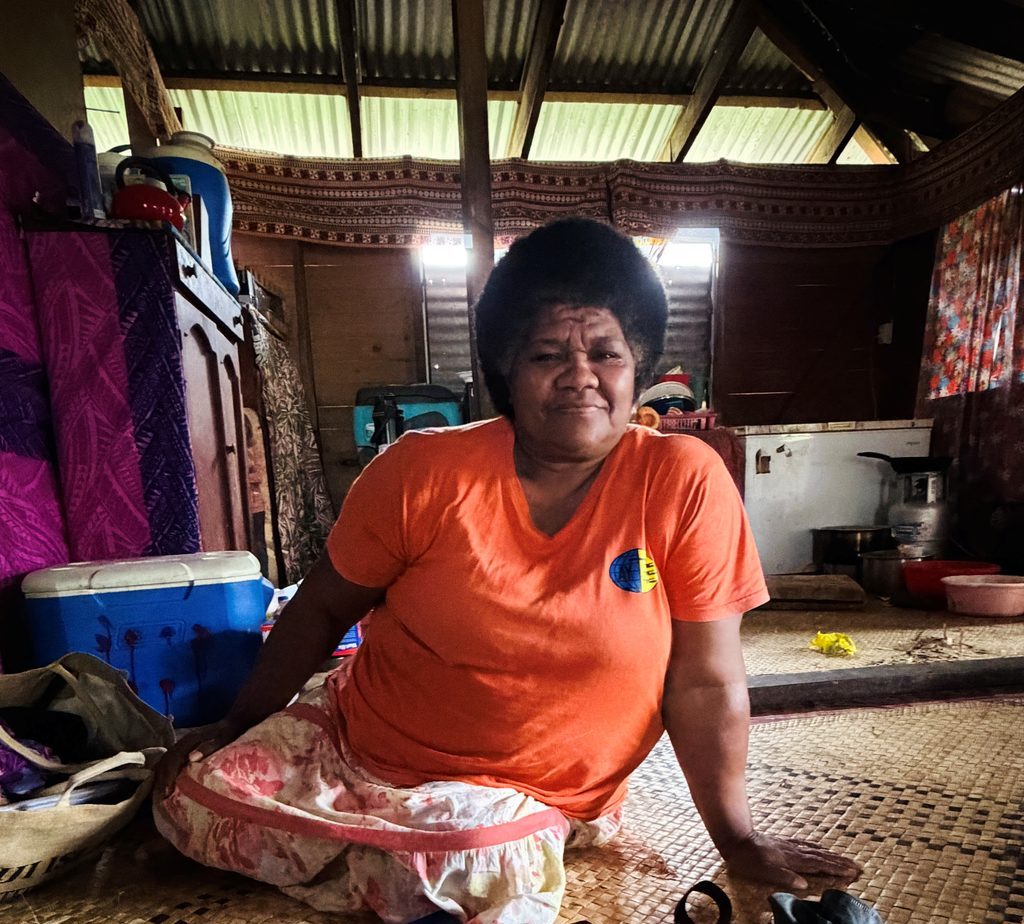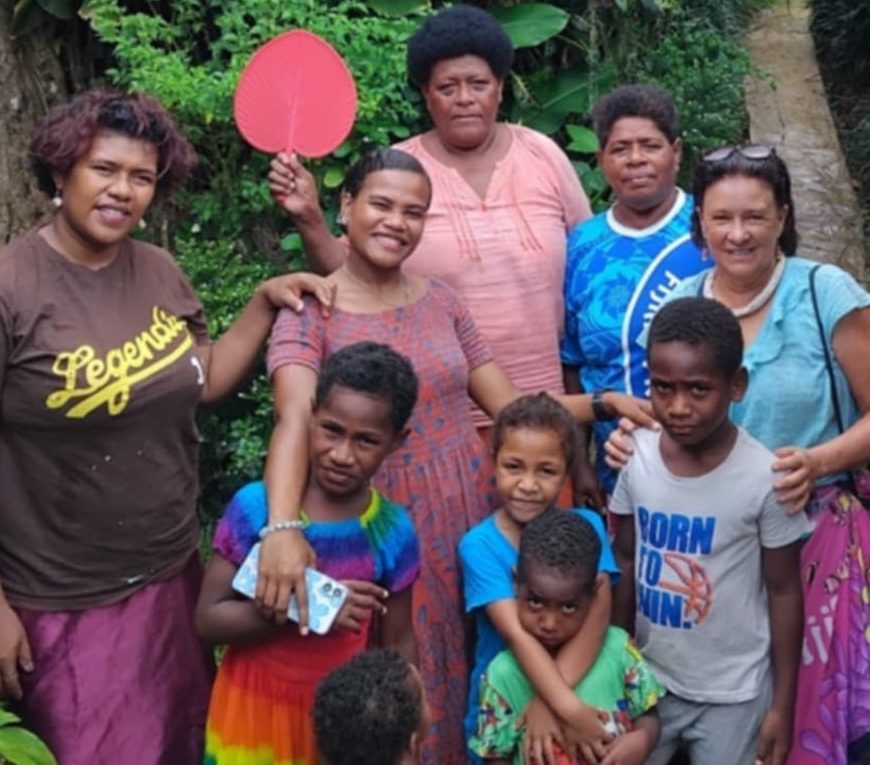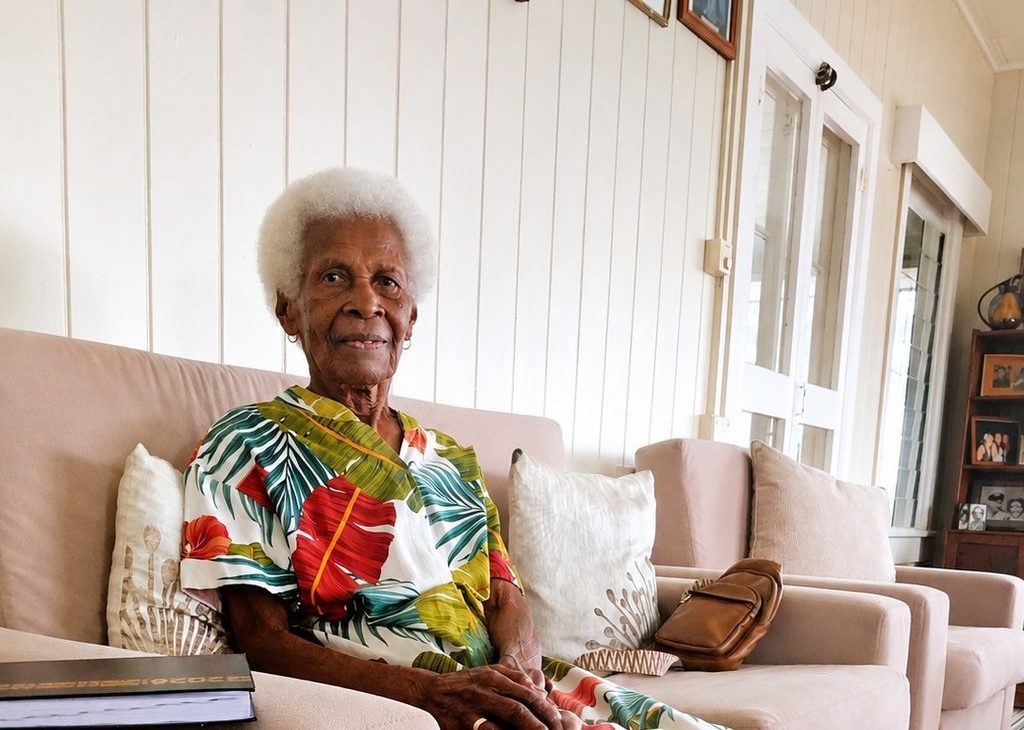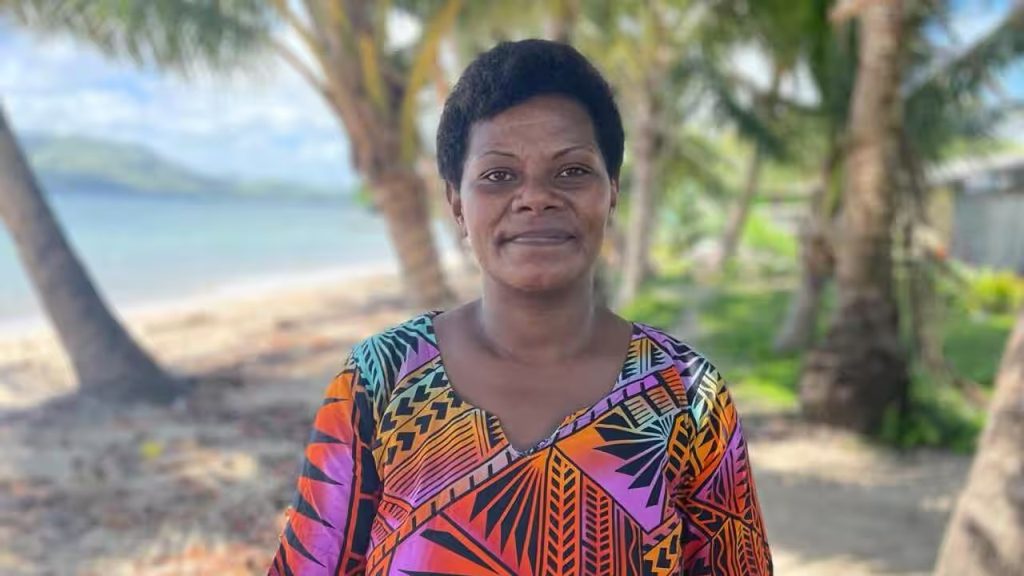
For more than 20 years, Sera Baleisasa has risen with the tide, her life closely bound to the sea that sustains her family and community.
The 40-year-old mother of four hails from Namuaimada village in Rakiraki, Ra, where she now serves as president of the village’s Soqosoqo Vakamarama.
Shaped by constant moving between the village and town, her journey through life so far is defined by a resilient character as well as a deep appreciation for the ocean.
“I started going out to sea when I was about 19,” she said.
“When I came back to the village after leaving school, I saw that the women were diving for nama every day. So I joined them.”
Ms Baleisasa’s early years were split between rural and urban life. She attended Navolau District School before moving to Lautoka, where her father worked for the Public Works Department. She later enrolled at Ba Provincial Secondary School but did not complete her studies after her family returned to the village.
A brief stint working at a hotel in the Yasawas followed, where she stayed in the village of Solevu. But it was back home in Namuaimada that she found her calling.
“In those days, both mothers and fathers would go out to sea together to dive for nama, lumi and other seafood,” she recalled.
“There were hardly any boats, so people would travel by carrier or bus to Volivoli just to harvest nama.”
Over time, the practice evolved, but the role of women remained central. Today, Ms Baleisasa continues that legacy, balancing her responsibilities at home with her leadership role and daily subsistence work.
Her journey has not been without challenges. The devastation caused by Severe Tropical Cyclone Winston in 2016 marked a turning point for coastal communities in Ra.
“It affected the growth of nama significantly. It disappeared completely and took years to recover,” she said.
Hope returned slowly, as persistent harvesters began to notice signs of regrowth.
“After some time, those who kept diving saw that nama was growing again, and now it’s found abundantly on the reefs.”
Despite this recovery, Ms Baleisasa is acutely aware of the fragility of the resource that supports their livelihoods.
“What I always share with the women in the village is the importance of protecting our natural resources,” she said.
“Simple things like sustainable harvesting and keeping our coastline clean can make a big difference.”
As climate patterns continue to shift, she believes the stakes have never been higher.
“The biggest challenge for us now is climate change. It has a huge impact on the growth of nama and other marine life we depend on for our economic and social wellbeing.”
Through her leadership and lived experience, Ms Baleisasa remains a steady voice for conservation, community resilience and is a true example of women who step up for the family.