
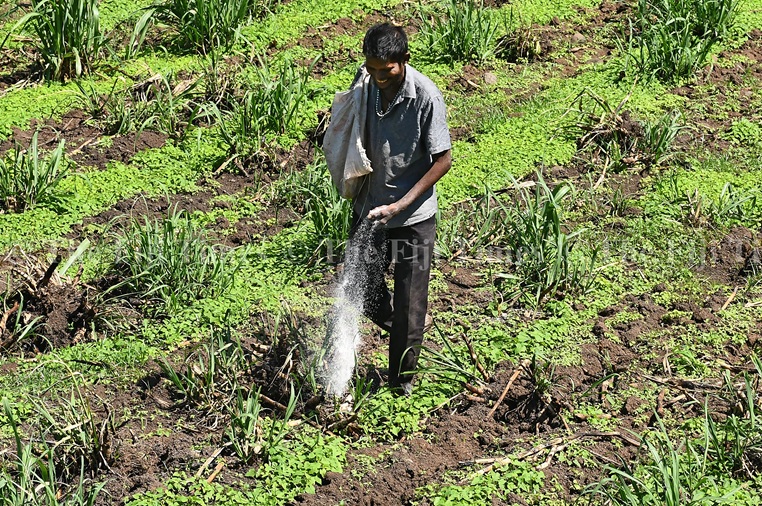
Continuous intensive sugar cane production on Vanua Levu has affected cane growth resulting in declining yields, a study by the Fiji National University, supported by the Australian Centre for International Agricultural Research has shown.
“Longitudinal studies conducted over 30 years on Vanua Levu indicate that after continuous and intensive sugarcane production, topsoils have suffered significant changes in their properties, which are detrimental to sugarcane growth and have contributed to declining yields,” the study said.
“(These) are likely to be exacerbated without effective soil and nutrient management practices.”
The study highlighted about 900 farmers sampled understood the impact that climate hazards have had on their farms.
“The majority of farmers surveyed were able to identify climate hazards that have affected their livelihoods the most notable ones related to tropical cyclones and floods.
“The farmers who are considering abandoning sugarcane farming had a higher proportion who had also experienced high levels of impact to their livelihoods after a hazard.
“This could be an indication that for these systems which are already being stressed by productivity issues, climate hazards which result in high levels of impact reduce the systems’ capacity to bounce back and absorb the shocks.”
The researchers explained that this was a problematic issue considering that even if the total number of tropical cyclones has decreased over the past 40 years in the Pacific region, an increase in their intensity has been observed.

