
Government has defended the economic growth of 1.5 per cent as forecasted in the 2026-27 National Budget, saying it was prepared based on a worst-case scenario considering the geopolitical issues affecting the country.
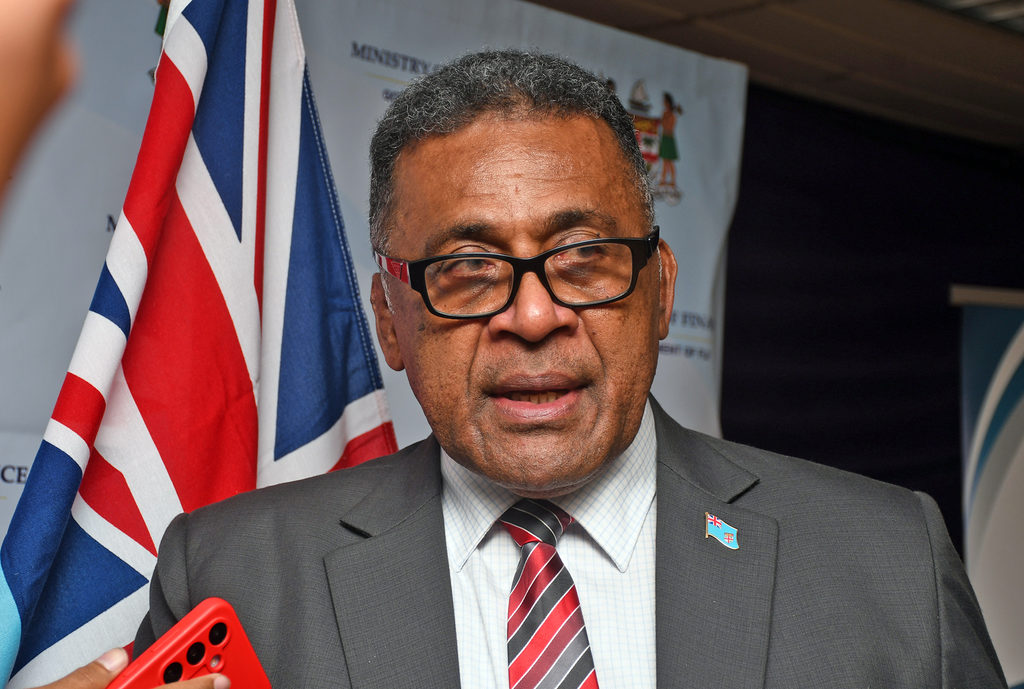
Following the ANZ’s Pacific Insight Report in which ANZ’s senior Pacific economist Dr Kishti Sen highlighted that the local economic growth would outpace the budgeted forecast, Minister for Finance Esrom Immanuel said the economic growth will be better than what had been forecasted in the budget.
“It will be better than what we budgeted, because we prepared this budget on a worst-case scenario, projecting that this fuel crisis and the effect of it or the ramification of it will go on for another six or nine months,” Mr Immanuel said.
“As you can see in the global news that the war is still happening. So, it will go on for some time. But we believe that we can do and we’ll do better based on ANZ’s projections,” he said.
Mr Immanuel said if the economic performance exceeds expectations and generates a surplus, then the additional funds would be used in key priority areas.
“Any surplus will probably be used in three areas—for future needs, reducing government debt, and supporting other important priorities, whether that is infrastructure development or other sectors that require assistance,” he said.
Meanwhile, in the ANZ Pacific Insight Report, Dr Sen has projected that Fiji’s 2026 economic growth will outpace the Government’s 1.5 per cent “worst-case” budget projection.
He said they are forecasting real gross domestic product (GDP) growth of 2.7 per cent this year and 2027, driven by record remittances, tourism and rising agricultural exports.
In a similar report released earlier this month, Dr Sen said the national budget had assumed a worst-case set of economic assumptions to project revenue.

