
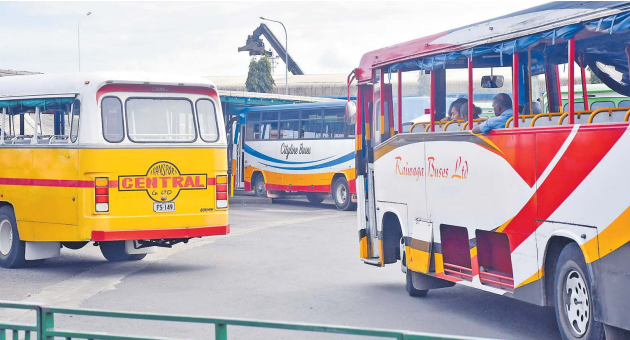
Public transport remains one of the most essential services in Fiji. Every day, thousands of Fijians rely on buses to travel to work, school, medical appointments, markets, and other important destinations. For many people, especially senior citizens, students, and low-income earners, bus travel is not a luxury. It is a necessity. That is why fairness, transparency, and accountability in the bus fare system must never be compromised. Recent concerns raised by passengers suggest that serious issues may exist in Fiji’s e-ticketing system. Many commuters are now questioning whether they are always being charged correctly when using bus cards, without receipts. This concern deserves urgent national attention.
Silent deductions and hidden charges
THE introduction of electronic ticketing was intended to modernise Fiji’s public transport system. It promised convenience, reduced cash handling, improved accountability, and efficient fare collection.
However, the reality on the ground appears very different.
Many passengers do not receive receipts after tapping their cards. In most cases, they have only a few seconds to view the deducted fare on a small screen near the driver.
For many commuters, especially senior citizens, this creates major challenges.
Some have eyesight difficulties. Others may not be quick enough to see the fare displayed. Many simply trust that the correct amount has been deducted.
But trust alone is not enough.
Without proper transparency, passengers are left uncertain about whether they are being charged fairly.
The real problem: Lack of transparency
The major concern is not only whether overcharging is happening. The real issue is the lack of transparency. Passengers should clearly know:
The exact fare charged;
The number of stages travelled;
Any concession applied; and
The remaining card balance.
At present, this information is not easily accessible to the public.
Even more concerning, bus fare stage charges are not properly displayed inside buses or at bus stands where passengers can easily verify them.
This creates opportunities for confusion, mistakes, and possible exploitation.
When fare systems are not transparent, public confidence suffers.
FCCC and LTA must be proactive, not reactive
This is where the role of the Fijian Competition and Consumer Commission and Land Transport Authority becomes critically important.
These institutions are funded by taxpayers and are entrusted with protecting public interests.
Their responsibility should not begin only after complaints are lodged.
They must be proactive.
Monitoring bus fare systems should be a daily regulatory function, not an occasional response to public complaints.
The authorities must regularly inspect:
-E-ticketing systems;
-Fare deduction accuracy;
-Fare stage compliance; and
-Passenger access to fare information.
Waiting for passengers to complain after repeated losses is not good enough.
Prevention is always better than delayed enforcement.
Passengers need protection, especially the vulnerable
Senior citizens are among the most vulnerable users of public transport.
Many rely heavily on buses and live on fixed or limited incomes.
Even small fare discrepancies, repeated daily or weekly, can become a significant financial burden over time.
A fair and modern transport system must protect those who are most vulnerable.
A society is judged by how it treats its elderly, students, and ordinary working citizens.
Passengers should never feel powerless when using an essential public service.
Practical solutions already exist
The good news is that solutions are simple and achievable.
Authorities and bus operators should immediately consider:
-Printed receipts after every transaction;
-SMS fare notifications on their mobile phone numbers;
-Mobile app tracking for balances and deductions;
-Larger digital display screens inside buses; and
-Public display of bus fare stages at all major bus stands and inside buses
These improvements would greatly increase transparency and public trust.
Technology must serve the people, not create confusion.
Time for immediate action
The issue is no longer just about bus fares. It is about consumer rights. It is about accountability.
It is about public trust.
The FCCC and LTA must urgently review Fiji’s bus fare system and strengthen monitoring mechanisms. Passengers deserve clarity. They deserve fairness.
And they deserve confidence that every dollar deducted from their bus card is accurate and justified.
Conclusion: Fiji can and must do better
Fiji’s public transport system must work fairly for everyone.
No passenger should have to guess whether they have been charged correctly. No senior citizen should worry about silent deductions when travelling to a hospital, collecting a pension, or visiting family.
The message is clear: Transparency cannot be optional.
The FCCC and LTA must act now, not later.
Because when oversight is weak, ordinary passengers pay the price.
INDAR DEO BISUN is a Short Course Trainer at Pacific Polytech. He is the former Senior Academic Officer and the Franchise Consultant at Pacific. He is former Assistant Lecturer in Education at Fiji National University and School Teacher at Ministry of Education.

