
Only about three in every 10 people estimated to be living with HIV in Fiji have been diagnosed, highlighting the scale of the country’s rapidly growing HIV outbreak, health officials have revealed.
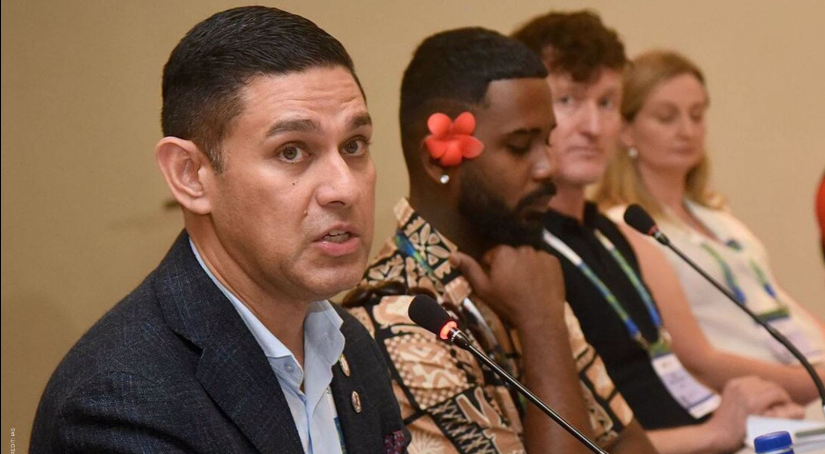
Speaking at the 26th International AIDS Conference (AIDS 2026) in Rio de Janeiro, Chair of Fiji’s National HIV Outbreak and Cluster Response Taskforce, Dr Jason Mitchell, said Fiji is facing the fastest-growing HIV epidemic in the world and requires sustained international support.
National surveillance data shows that only about 30 per cent of estimated HIV cases have been diagnosed, while around one in six people living with HIV are receiving treatment. Documented viral suppression stands at just two per cent.
Since declaring a national HIV outbreak in January 2025, the Ministry of Health and Medical Services has recorded a 14-fold increase in new HIV diagnoses over the past five years.
According to UNAIDS estimates, 1.6 per cent of Fiji’s adult population—about one in every 60 adults—is now living with HIV. The agency has also increased its estimate of people living with HIV in Fiji from 8,900 in 2025 to 12,000 in 2026, indicating transmission is exceeding previous projections.
Dr Mitchell said the outbreak is being driven largely by injecting methamphetamine use, with two-thirds of new diagnoses over the past year involving people aged 20 to 34.
While Fiji has expanded access to pre-exposure prophylaxis (PrEP), peer outreach, condom distribution and integrated primary healthcare, Dr Mitchell said the country still lacks a large-scale needle and syringe programme to reduce transmission through contaminated injecting equipment.
“Fiji is currently navigating the fastest-growing HIV epidemic in the world,” Dr Mitchell said.
He warned that Fiji’s experience should serve as an early warning for other Pacific Island countries facing similar challenges and called on the international community to continue supporting small island developing states.
“This is not a Fiji problem alone, it’s an early warning for the entire region. We are calling on the global community not to turn its back on small island developing states who stand to lose so much if we don’t respond fast and strong,” he said.

