
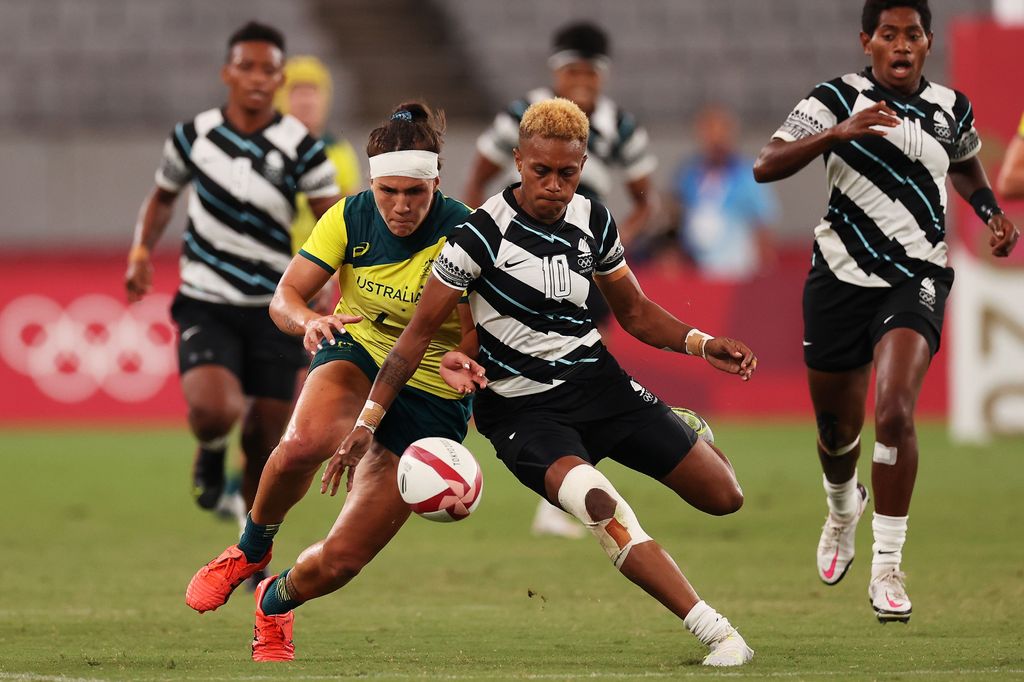
Rugby Sevens cut from Glasgow 2026: elusive dream of commonwealth gold is shattered in devastating blow to Team Fiji’s Commonwealth Games aspirants. Rugby Sevens – the nation’s most successful commonwealth sport, has been axed from the 2026 Games program in Glasgow.
This comes in the wake of a severe downsizing that cuts the Games down to just 10 sports, with Glasgow stepping in after Victoria, Australia pulled out due to increasing costs.
For Fiji, a nation whose identity is deeply intertwined with Rugby Sevens, the exclusion represents more than just a missed opportunity – it symbolizes the postponement of a decades-long quest for Commonwealth glory.
Since its introduction to the Commonwealth Games in Kuala Lumpur in 1998, Fiji has won five silver medals and one bronze in Rugby Sevens, accounting for over a quarter of the country’s total haul of 23 at the Commonwealth Games. The sport has been Fiji’s reliable path to the podium since it’s introduction, time and again an affirmation of Fiji’s credibility in competing against rugby powerhouses such as New Zealand, South Africa and England.
Lyndall Fisher, Sports Development Manager said: “This decision cuts to the very heart of Fiji’s Commonwealth Games legacy and underlines the particular sting of removal in Scotland, the very birthplace of Rugby Sevens. The Commonwealth Games platform has been crucial in establishing our international reputation in Sevens Rugby ultimately leading to our historic Olympic gold medal.”
In fact, the Fiji journey in Commonwealth Sevens laid the groundwork for their crowning glory: winning the nation’s first-ever Olympic gold medal at Rio 2016 in Rugby Sevens. The Commonwealth Games acted as a testing board for the inclusion of rugby in the Olympic Games, which makes the Glasgow 2026 omission all the more sensitive.
World Rugby echoed Fiji’s disappointment in a statement: “The absence of rugby sevens, along with other team sports, at Glasgow 2026 is a significant loss for players, fans, and the Games themselves. Rugby sevens was born in Scotland and has been a fixture of the Commonwealth Games since 1998. We firmly believe that sevens has a huge role to play in the future of a Games seeking to be more relevant and accessible to new fans.”
Sports that will be retained in this streamlined program for 2026 include, Athletics, Swimming, Track Cycling, Weightlifting, Lawn Bowls, 3×3 Basketball, Artistic Gymnastics, Netball, Boxing and Judo. This decision has seen the retention of Lawn Bowls at the expense of globally popular team sports, leaving many an eyebrow raised across the sporting world.
For Fiji, the wait for Commonwealth gold continues indefinitely. The nation’s rugby sevens team, which has always proved a force against any traditionally recognized powerhouse in the sport, now has to wait till such an opportunity comes their way again. This team has shown that it belongs to the world’s best through its successes in the Olympic Games and also through multiple World Rugby Sevens Series wins, making this gold medal all the more frustratingly out of reach for Team Fiji.
Organizers defend the dramatic reduction in sports, citing the need to make the event more affordable and manageable given the shortened preparation time. The 2026 Games will be housed in significantly smaller venues than previous editions, with Scotstoun Stadium’s capacity of less than 10,000 serving as the main arena – a far cry from the packed stadiums that typically showcase Rugby Sevens’ fast-paced excitement.
While the organizers maintain that the “drama, passion and joy” of the Commonwealth Games will persist despite the reduced program, for Team Fiji and its rugby sevens supporters, Glasgow 2026 represents a missing chapter in their ongoing quest for Commonwealth gold. The hope remains that this is indeed, as suggested, merely a temporary adjustment to the Games schedule, and that Rugby Sevens will return to provide Fiji another chance at achieving their elusive Commonwealth dreams.

