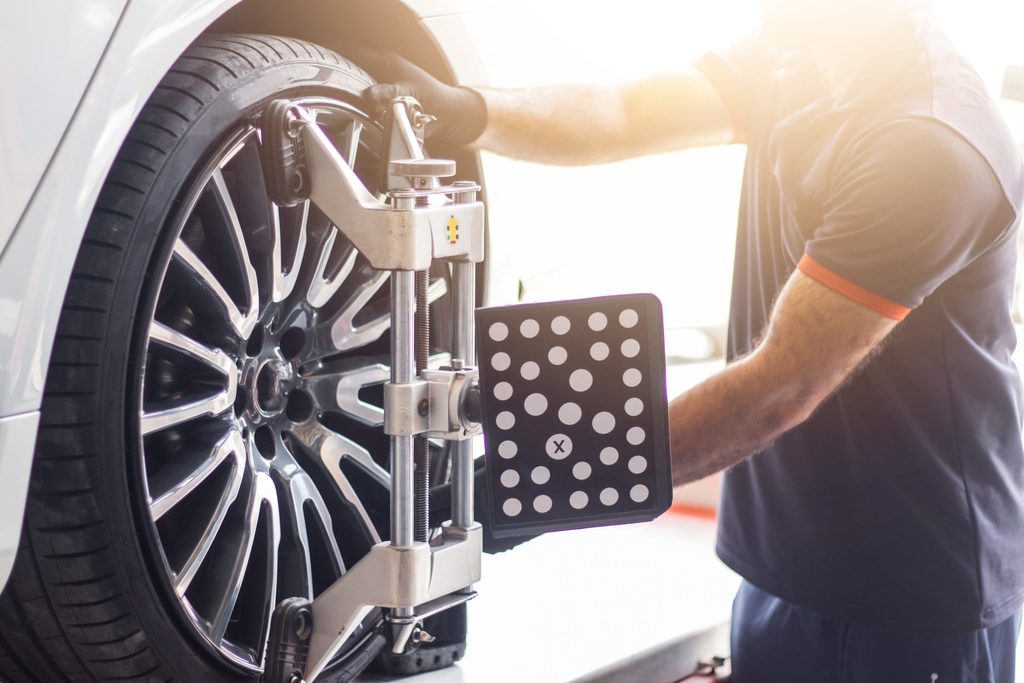
The purpose of a wheel alignment is to ensure that your car’s wheels, and by extension your tires, contact the road surface at the proper angle to ensure your car drives forward in a straight line. Failure to travel down the road in proper alignment can result in damage to critical suspension components and your wheels and tires. The guide below includes everything you need to know about wheel and tire alignment, including relevant terms and how to diagnose when your car needs to be professionally aligned.
What is a wheel alignment?
A wheel alignment is a maintenance service that adjusts your vehicle’s suspension angles, so your tyres contact the road evenly and your car drives in a straight line.
Technicians reset various suspension parameters on your vehicle to promote proper alignment. A wheel alignment is typically preceded by a wheel alignment check, which determines whether a full alignment service is in order.
When talking about wheel alignment and getting your wheels aligned, it’s essential to note road crowning. One free yet slightly flawed method of determining if your car needs a wheel alignment service involves driving down the road and removing pressure from your steering wheel to see if your vehicle tracks to the left or right. If you’re driving on a crowned road, those results are extremely flawed.
How does a proper alignment affect tyre wear?
An incorrect alignment can prematurely deteriorate tyres by wearing them unevenly across the tread.
Think of a rolling pin running across dough; the ideal rolling method is to move forward equally with both hands, applying the same pressure downward and equal momentum forward.
Any stray movement or unequal pressure can make the rolling pin dig into the dough, flatten one side more than the other, or only roll part of the dough out, leaving the rest uneven.
A proper wheel alignment is a small maintenance step that can make a big difference on the road. It helps your vehicle handle better, reduces uneven tyre wear and can improve driving comfort and safety. Regular checks, especially after hitting potholes or kerbs, can help keep your vehicle running smoothly and your tyres in better condition.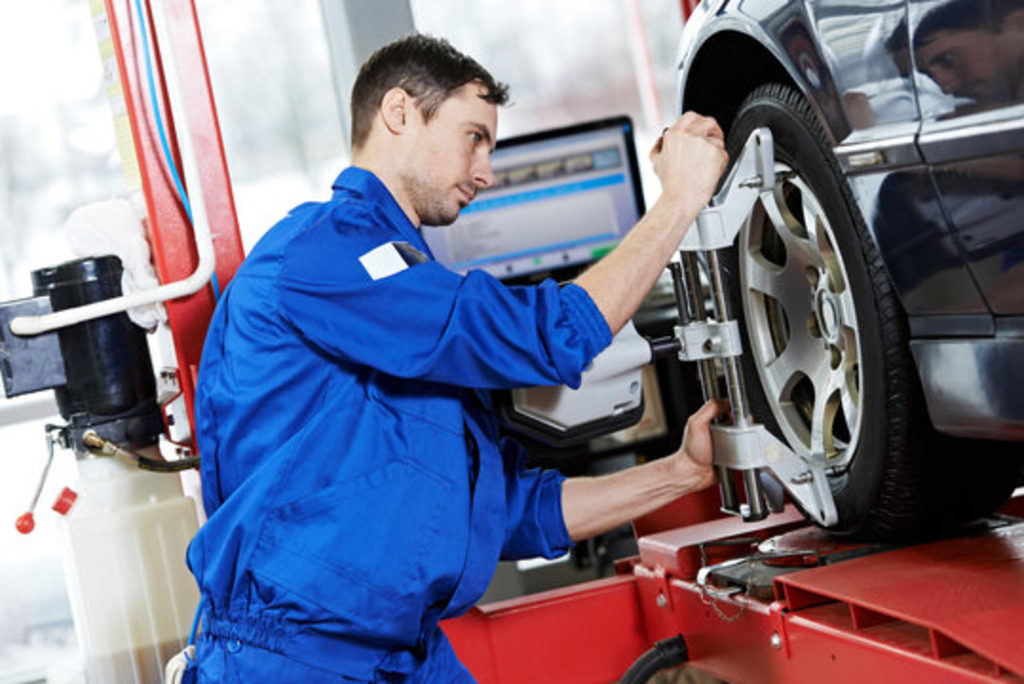
Right: Wheel alignment check. Picture: WWW.STOCK.ADOBE.COM