
THE story of Taveuni’s famous Dateline 180th Meridian Cinema did not begin with a movie.
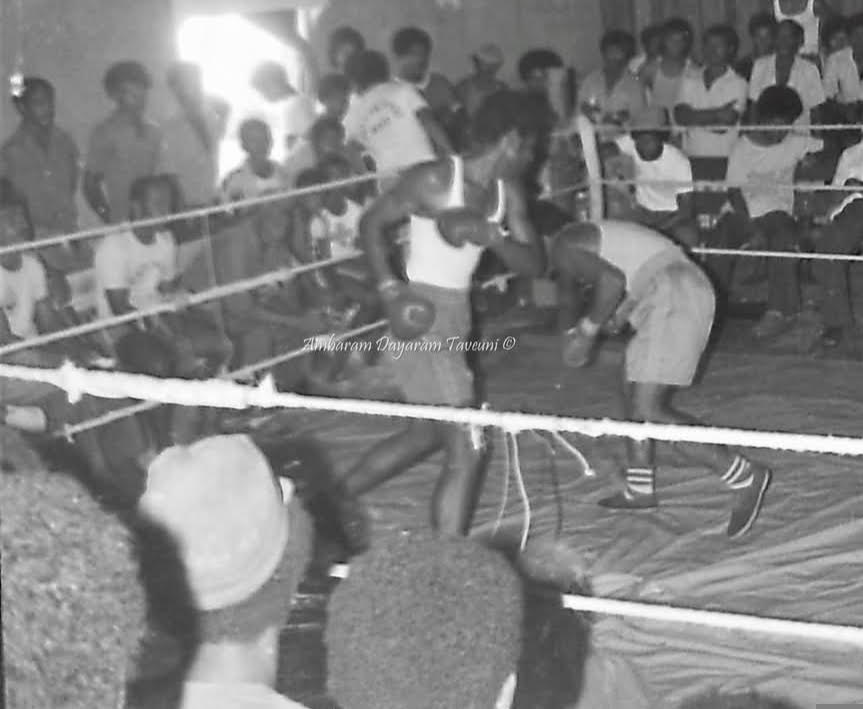
Instead, the first crowd to pack into the landmark building gathered to watch punches being thrown inside a boxing ring.
Before the cinema became known for screening Bollywood blockbusters, British documentaries and Hollywood classics, it opened its doors with a boxing tournament after unexpected delays prevented the first scheduled movie screening.
Meridian Store managing director Champak Lal Dayaram said many people assumed the first event at the cinema was a film.
However, history tells a different story.
“When we opened our cinema, we introduced 35-millimetre films, which provided a much better viewing experience,” he said.
“The Tat family actually operated the first cinema on the island, showing 16-millimetre films such as newsreels, cartoons and British documentaries.
“We wanted to provide something bigger and better for the people of Taveuni.”
The first feature film eventually screened at the cinema was His Majesty O’Keefe, starring Burt Lancaster, a fitting choice because parts of the movie had been filmed in Fiji.
But before audiences could settle into their seats for that historic screening, construction delays forced the family to change their plans.
“Interestingly, our first event was not a movie screening.”
“We faced delays in opening the cinema, so our first event became a boxing tournament.
“I even have photographs of that event, which was held inside the cinema.”
The boxing contest attracted large crowds eager to see what everyone had been talking about.
The building itself had already become the talk of the island.
Constructed in 1954 by the late Ambaram Dayaram after securing a loan from the then Bank of New Zealand, the cinema was built during a time when transporting building materials to Taveuni was a major challenge.
Every piece of timber, steel and equipment had to make the difficult journey across the sea before finally reaching Wairiki.
Despite the obstacles, the family succeeded in creating what became one of Fiji’s largest cinemas during its heyday.
The cinema later earned worldwide recognition as the only theatre where patrons could cross into a new day simply by changing seats because it was located along the 180th Meridian.
After the boxing tournament, the cinema quickly established itself as Taveuni’s entertainment hub.
People travelled from both the northern and southern parts of the island to watch movies, attend talent quests, public debates and community events.
Movie nights became major social occasions.
Crowds regularly filled every available seat during screenings held on Thursdays, Saturdays and Sundays.
Mr Dayaram said operating a cinema in those days demanded patience and discipline.
“The cost of running movies on a rental basis costs a fortune.
“We had cinemas like Damodar Brothers and Para Brothers supplying us with films.
“In anything involving 300 people it could get rowdy and out of control at any time, so operating a cinema required control and patience.”
Unlike today, cinemagoing was more than entertainment.
It was a community gathering where families, friends and neighbours met, shared stories and spent time together.
The introduction of 35-millimetre projection also transformed the viewing experience for island audiences.
Compared with the older 16-millimetre films previously shown elsewhere, the larger format delivered sharper images and better sound.
It allowed Taveuni residents to enjoy films that were comparable to those shown in larger towns around Fiji.
For many island families, visiting the cinema became a cherished tradition that created lifelong memories.
Although decades have passed since the building echoed with cheering boxing fans and movie audiences, the story of its unusual opening remains one of the most colourful chapters in Taveuni’s history.

