
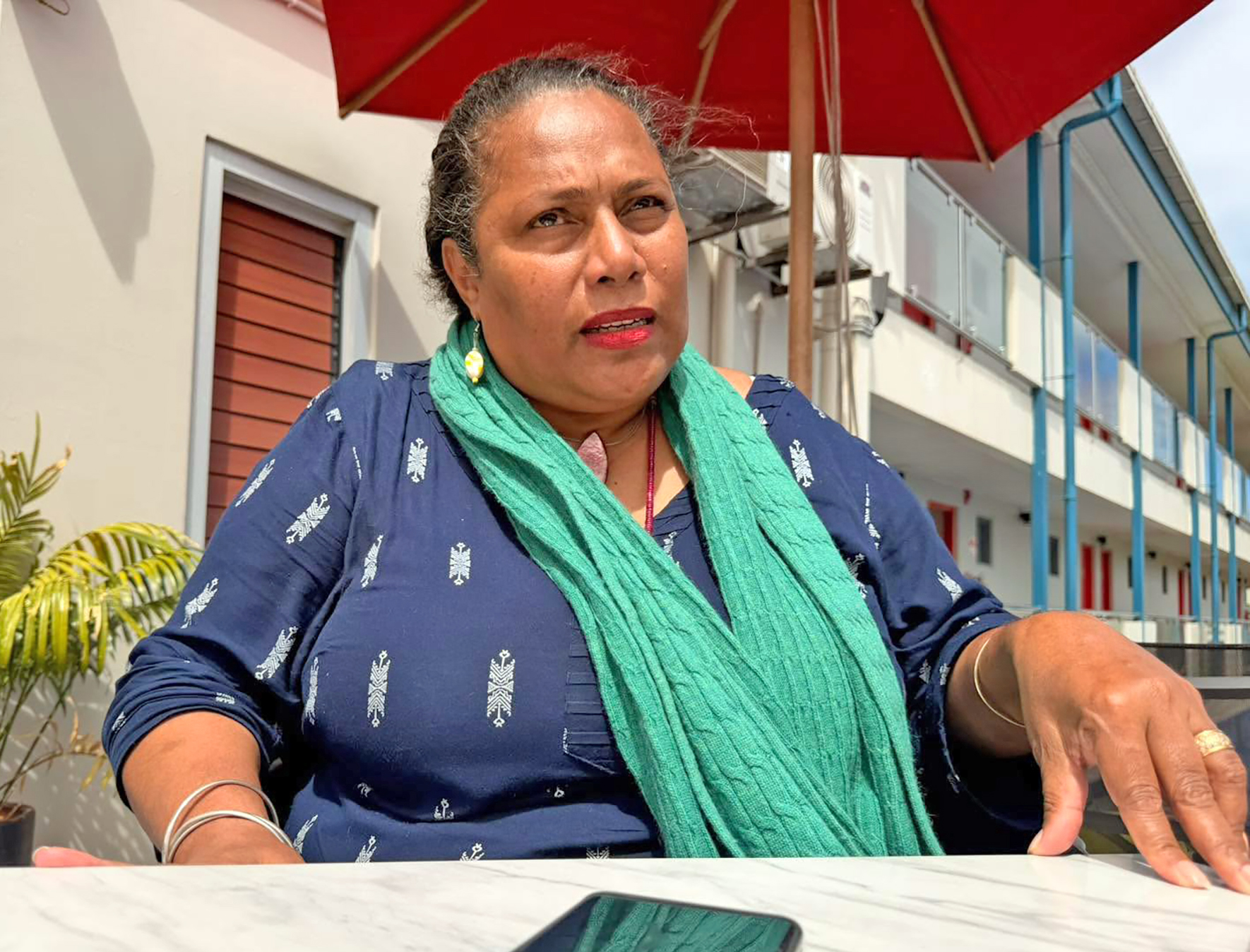
FORMER FICAC Commissioner Barbara Malimali has launched a blistering attack on senior political leaders, accusing them of jumping to conclusions, making statements without evidence and wasting millions of dollars of taxpayers’ money in the legal battle surrounding her appointment.
Her comments came as she was asked about Prime Minister Sitiveni Rabuka’s decision to appeal against certain aspects of a recent High Court ruling that declared the findings of a Commission of Inquiry into her appointment null and void.
Ms Malimali said Mr Rabuka had every right to appeal.
“That’s well within his rights, and I wish him well,” she said.
But she questioned whether the public cost of the proceedings was justified.
“I think some of that money could be better utilised to assist our people,” she said, pointing to people travelling to Kadavu and Fiji’s outer islands.
“I think our taxpayers and our citizens deserve services that are better than what we’re currently having.”
“That kind of money should actually be spent where it’s needed — on schools and hospitals.”
“Some of our children need more. Not Barbara Malimali.”
She said she would be able to support herself regardless of the outcome.
“Barbara Malimali loses her job today, goes and works for herself tomorrow.”
Ms Malimali also took direct aim at political statements made about her, particularly claims that she had treated senior politicians differently while serving in public office.
“I mean, how much more wrong could they have been.
“This is the kind of mess that our leaders get ourselves into. They jump the gun. They make statements without thinking. They make statements not based on evidence.”
Her criticism was not limited to the current appeal.
She said she believed the wider controversy began because a group of people did not want her to become FICAC Commissioner.
“They realised I shouldn’t — I was not the person they wanted in FICAC.”
She also defended her record as Electoral Commission chair, maintaining that the decisions she made were based on the Constitution.
“The Constitution remains supreme.”
“Would I change anything? No. I didn’t do anything wrong.”

