In a major market move set to redefine Fiji’s luxury hospitality sector, Fiji National Provident Fund (FNPF) subsidiary Dubbo Pte Ltd has locked in a landmark agreement with Marriott International to introduce the prestigious JW Marriott brand into the local market.
The signing marks a critical breakthrough for the FNPF as it aggressively transforms one of its absolute heaviest tourism investments on Denarau Island in Nadi.
The JW Marriott Fiji Resort & Spa will feature 282 rooms.
The property is officially scheduled to open its doors in the first quarter of 2027, with the race for reservations anticipated to commence next month.
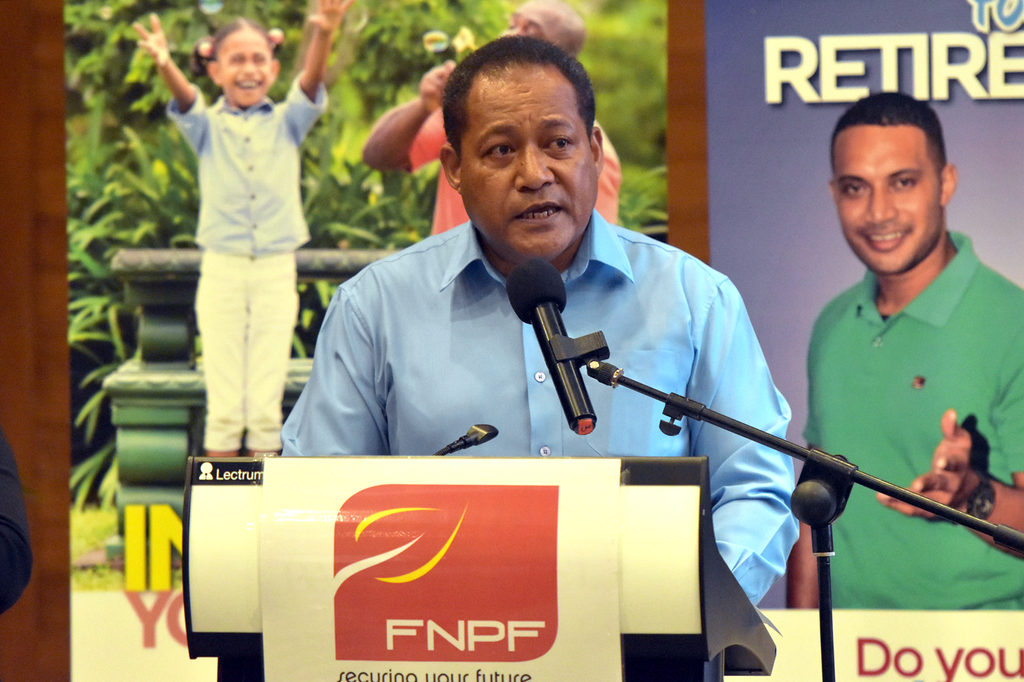
FNPF chief executive officer Viliame Vodonaivalu said the repositioning of the resort under the JW Marriott brand was intended to strengthen the property’s earning potential, enhance its long-term asset value, and improve its ability to compete in the premium international tourism market.
He said this development reflected the Fund’s commitment to making investment decisions that delivered lasting value to members.
“As custodians of our members’ retirement savings, every investment decision we make is centred on creating long-term value for the people of Fiji,” Mr Vodonaivalu said.
“The introduction of JW Marriott represents a significant milestone for one of our key tourism assets.
“Our focus has been to ensure that the substantial investment being made in this property translates into a stronger, more competitive asset capable of generating sustainable returns for our members over the long term.
“This is about more than redeveloping a hotel.
“It is about protecting and enhancing the value of an important investment held on behalf of our members, while ensuring the property remains relevant and competitive for decades to come.”
According to the Fund, the redevelopment involves the comprehensive transformation of the former Regent Hotel, originally built in 1975 and subsequently rebranded as the Westin in the late 1980s.
Mr Vodonaivalu said given the age and historical significance of the property, the redevelopment had required extensive modernisation of its infrastructure, accommodation, facilities and guest amenities, while preserving elements of its distinctive character.