
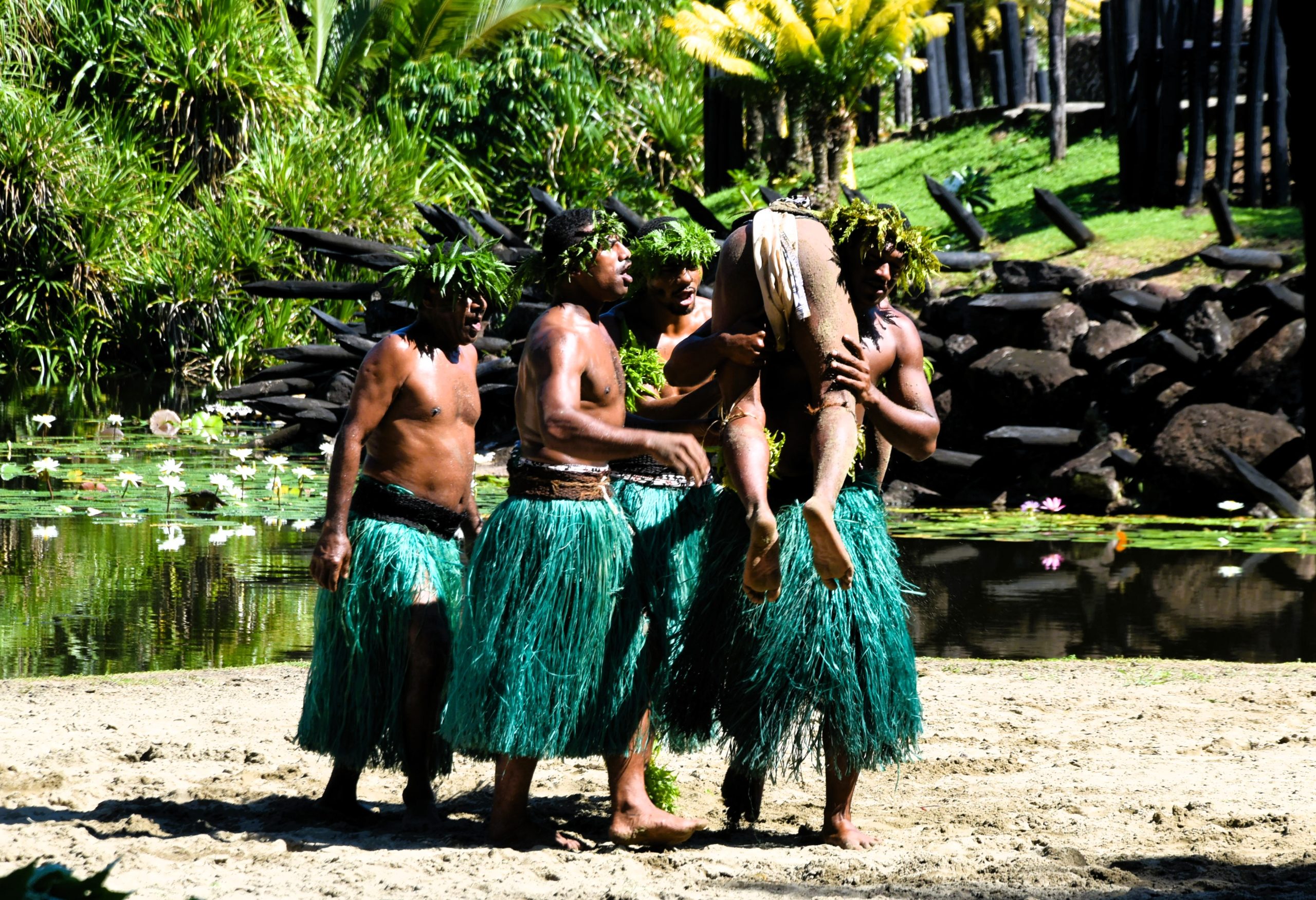
KEEPING culture and tradition alive remains one of the most important responsibilities for any nation.
In Fiji, where customs, storytelling and ceremonies continue to shape identity, preserving these traditions has become vital for future generations to understand the values and practices that define who we are today.
Nestled along the Queens Highway, just a few minutes drive outside Navua, the Damodar Arts Village (DAV) has become one of the leading attractions dedicated to preserving and showcasing Fiji’s rich cultural heritage.
From the moment visitors step into the premises, they are immediately immersed in the vibrant atmosphere of traditional Fiji.
The powerful sound of the lali echoes through the air while the chanting of old songs creates a feeling of stepping back in time.
The cultural centre has become more than a tourist attraction.
Behind the performances and ceremonies lies years of work dedicated to reviving traditions that risk fading away in modern society.
For Semi Tavailagi, of Yanuca in Serua, the revival of the Arts Village represents an important contribution towards preserving Fijian identity.
He acknowledged businessman Div Damodar for helping revive the cultural attraction, saying that while the performances may entertain visitors, it also plays a role in educating people about Fijian customs and traditions.
“Even though it is for entertainment purposes, it is another way of teaching tourists and even locals about our culture while helping preserve it,” he said.
The DAV offers two tour packages, with the main attraction being the “Spirit of Fiji Tour”, held on Wednesdays.
The experience includes the traditional Beqa firewalking ceremony, cultural role play performances, meke a heritage walk, and visits to the Bure Kalou and the Chief’s bure before concluding with a traditional yaqona, or kava, tasting ceremony.
What makes the performances at DAV unique is the effort taken to preserve the hierarchy and authenticity of Fijian customs.
Descendants from Beqa are the ones entrusted to perform the sacred firewalking ceremony, ensuring the tradition remains connected to its original custodians.
The tour begins with the firewalking ceremony, where performers walk barefoot across heated stones in a ritual that has been practised for centuries.
The performance is followed by a series of meke each carrying its own meaning and story.
As the narrator guides visitors through the performances, guests learn that every movement, chant and rhythm within the meke reflects elements of Fiji’s history, identity and village life.
Visitors are also guided through the towering Bure Kalou, or Spirit House, regarded as one of the tallest traditional bure structures in Fiji.
Once considered the spiritual centre of village life before the arrival of Christianity, the bure remains one of the most historically significant parts of the tour.
As Fiji continues to modernise, places such as the Damodar Arts Village serve as important reminders that preserving culture is not only about remembering the past, but also about protecting the identity of future generations in Fiji.

