
THE Government is using more of its money, and even some borrowed funds, to pay for day-to-day operating costs instead of investing in infrastructure and projects that can grow the economy.
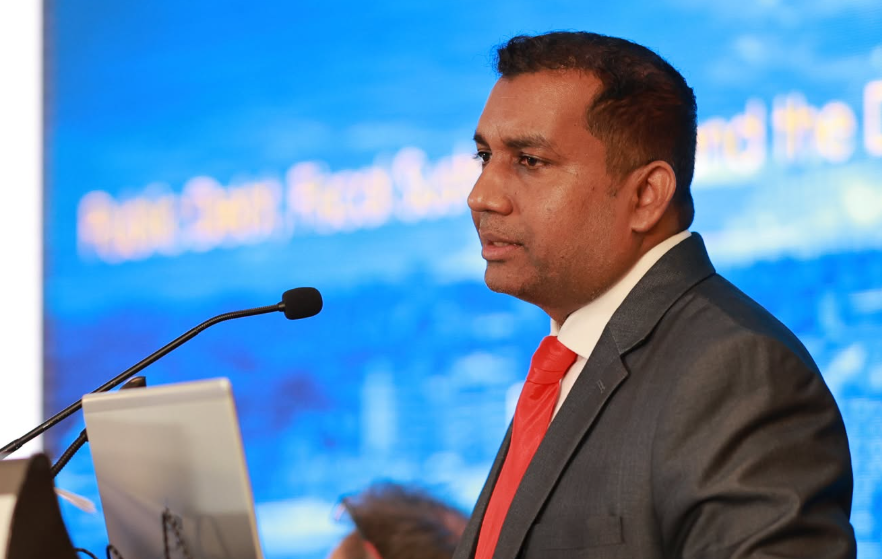
Dialogue Fiji executive director Nilesh Lal said this yesterday during the State of the Fijian Economy Dialogue in Suva.
Mr Lal said Fiji’s expenditure mix had shifted significantly, with a lower share of government spending now going towards capital expenditure.
“Which means most of the borrowing that has been happening in the last couple of years has been to fund operational expenditure,” he said.
Mr Lal said this was a concern because borrowing should ideally be used to grow the productive capacity of the economy.
“The economic wisdom is that you only borrow to grow the productive capacity of the economy.
“If you are borrowing to fund recurrent expenditure, operational expenditure, you have a very significant structural problem.”
He said capital expenditure as a share of total expenditure had fallen to 19 per cent in the current financial year, compared with 38 per cent in the 2015–2016 financial year.
“So essentially government spending is becoming aggressively consumption-oriented.
“The big risk is that a nation cannot afford to stay at $11.4billion and increasing debt level by cutting the very collective assets and infrastructure that is required to generate future economic growth,” he said.
He also raised concern over the decline in Government’s operating surplus, which he described as the balance between operating revenue and operating expenditure.
He said the operating surplus had declined by $570million, or about 95 per cent, compared with the previous financial year.
“Basically there is no buffer.
“Whatever the Government is gaining in revenue, most of it is going towards funding its operations.”
Mr Lal said operating surpluses were important because they allowed Government to repay existing debt and finance new investment.

