They say you can take a Fijian out of Fiji, but you can never take Fiji away from a Fijian. Tonight Chef is off to the southern Lau island of Kabara; the home to Fiji’s famous woodcarvers. But it is the journey of two sisters in this episode that highlights one of the tenets of the Fijian culture; the importance of kin.
RESPECT OF KINSHIP
In her 2000 paper “Life in a Fijian Village: the struggle of self and community” American anthropology student Megan Lee studied social structure and organisation during her nine week stay at Naivuvuni Village in Rakiraki. Her observation of kinship helped frame the meaning of tonight’s episode. “The kinship system is an essential aspect of Fijian life. The ways in which people interact with each other is based on how they are related to each other within the family unit.
Respect and avoidance relationships are critical to the kinship system. Respect is based on three main concepts: age, sex and social distance. The older a person is, the more respect they command, regardless of sex or social rank. The amount of respect displayed also depends on the amount of social distance between people. People who interact with one another on a regular basis tend to be more relaxed and less strict about the proper respect relationships. People who do not see each other as often and are less familiar with each other follow the expected rules more stringently.”
TISSUE BOX MOMENT
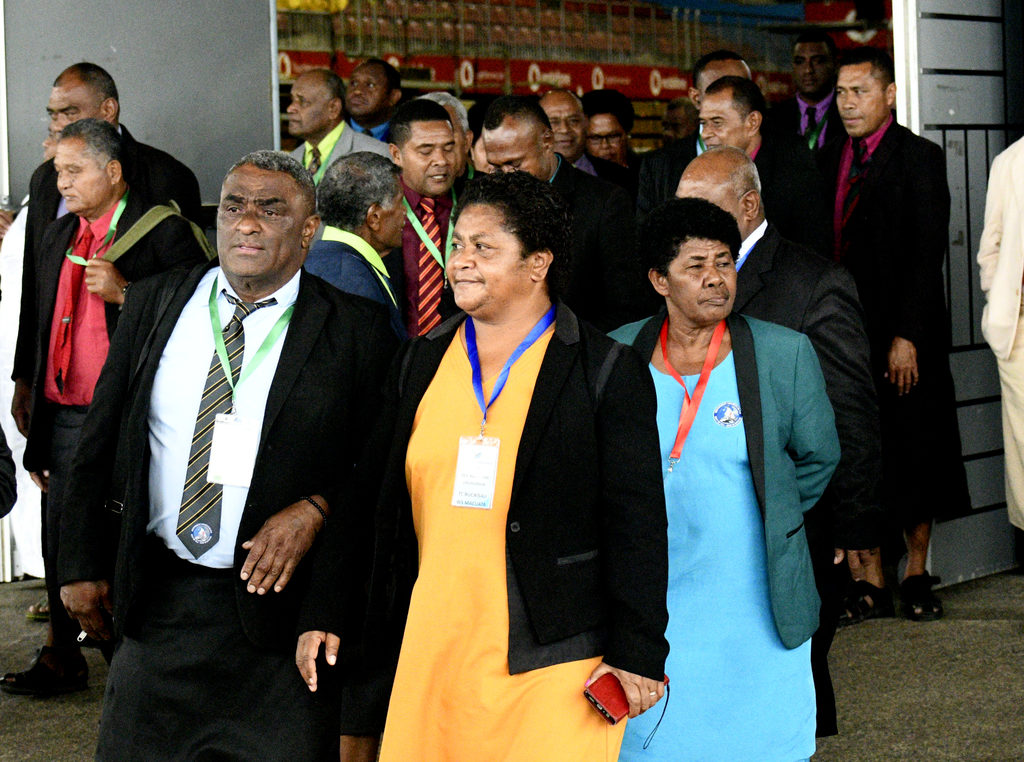
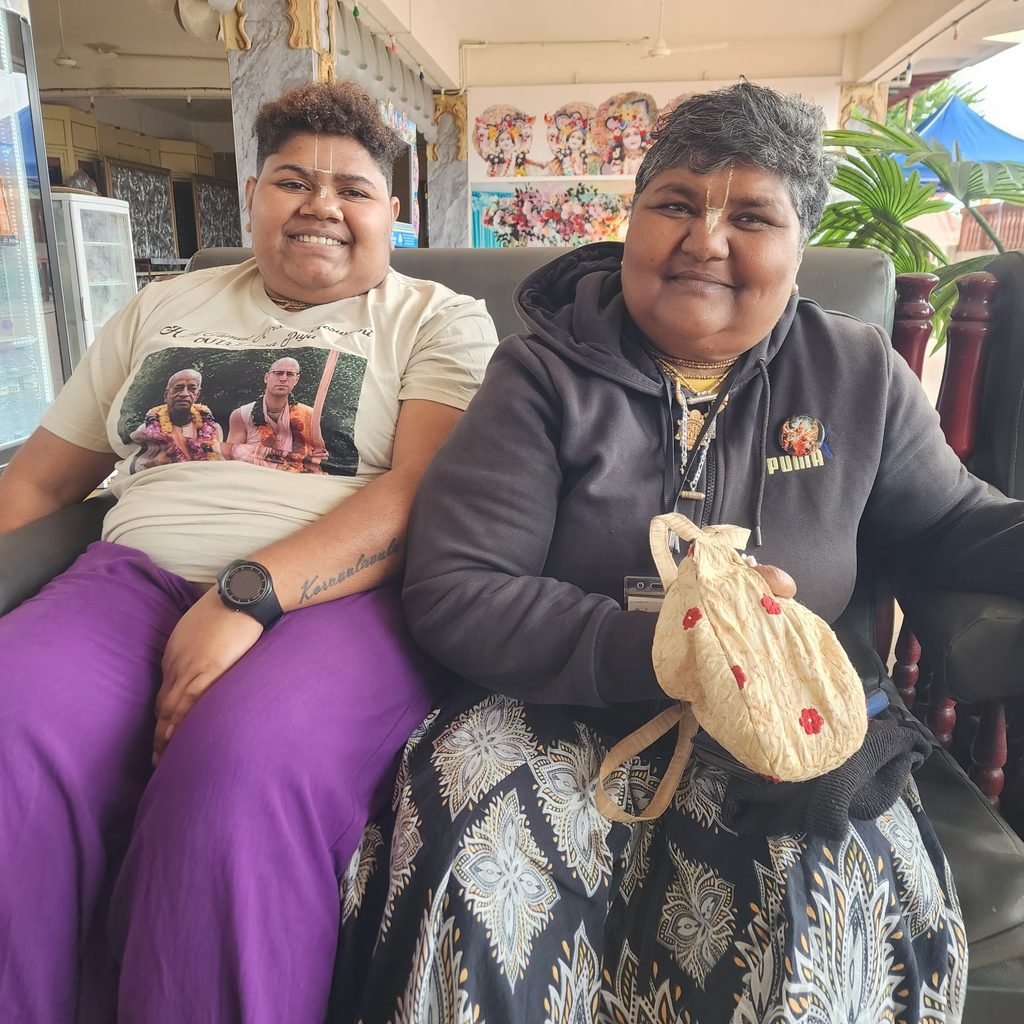
Fijian social interactions are filled with ceremony of varying degrees. And Ane and Asenaca must perform the ancient ritual of boka. Having been away for so long, this ceremony has deep social meaning and one that sent shivers down my spine. Performed in front of the village elders; there is forgiveness for being absent from their kin for so long; and apology for not being able to fulfill their traditional roles and responsibilities. Both women had not returned since childhood, and only through this Captain Cook Cruise tour were able to finally return with their husbands to reconnect and re-establish contact with their fellow kin. This is the tissue box moment. As I listened to the ceremony, I swear I could hear my cameraman sniffle to shed a tear.
ADAPTATION OF FOODS
Fiji’s vast volcanic network of islands provides villagers with the nutrient-rich soil that is key to their agricultural history. The ancient people knew the importance of living near volcanoes — the soil would provide the food. But Kabara is at a disadvantage to the far eastern islands of Lau, as it not volcanic but a coral island with lots of sand and not so much soil.
There’s no taro, rou rou leaves, bele, otta or moca — the traditional Fijian greens. But there’s plenty of seafood, coconut, breadfruit, cinnamon trees and boro ni Idia — the drumstick tree known to most as saagan. And tonight we learn a classic Lauan dish made with this leaf called Vakasakera. In the kitchen bure, I could smell a new scent. After lifting a few lids I discovered the women had made cinnamon leaf infused coconut oil. I asked if they used it for cooking and to my surprise they said “No, it’s for body lotion!” But I couldn’t resist the temptation to use this delicious infused coconut oil in a few dishes in this episode.
LOVO COOKING WITH FLAVOUR
Sick of lovo? While the ancient ancestors left behind the technique of the earth oven, there was little need for recipes in days gone by. Most villagers were happy with the meats and root crops just to be cooked without thought to additional infusions. But with taste buds evolving, the lovo recipes need a little updating to make them even tastier and more exciting. Using chicken and lamb for the Kabara lovo, I decided to use many of the ingredients already available in the village to infuse and give my meats a boost in flavor before they are wrapped up. The simple marinades can be coconut milk, salt and pepper or just a little light soy sauce (not the dark mushroom soy). You can then include any of the spices, fresh herbs, zest of citrus fruits, garlic, ginger and as you’ll see tonight, fermented coconut called kora. Spicing up the lovo by adding flavor to the meats and root crops just goes to show that you don’t need cookbooks to give you ideas. Just look in your garden!
* Lance Seeto is the award winning chef based on Mana Island, and is Fiji Airway’s Culinary Ambassador and host of Fiji TV’s Taste of Paradise. Sunday 7.30pm only on Fiji One and online at tasteofparadise.tv